
Hindistonda CABG jarrohligi
VRH Healthcare xalqaro bemorlarga tajribali yurak jarrohlariga, ilg'or ochiq yurak va urib turgan yurak CABG texnikalariga va Hindistonda tejamkor davolanishga kirish imkoniyatini yaratadi.
Tasdiqlangan shifoxonalar
Faqat JCI va NABH akkreditatsiyalangan markazlar.
Kutishsiz xizmat
Xalqaro bemorlar uchun ustuvor uchrashuvlar.
Hindistonda Koronar Arteriya Bypass Graft Jarrohligi (CABG) ni tushunish
Hindistonda CABG jarrohligi tajribali yurak jarrohlari, ilg'or ochiq yurak jarrohligi texnikalari va G'arb mamlakatlariga nisbatan sezilarli darajada past davolash xarajatlari tufayli og'ir koronar arteriya kasalligi bo'lgan bemorlar uchun keng tanlangan davolash usulidir. Koronar Arteriya Bypass Graft Jarrohligi (CABG), odatda bypass jarrohligi deb nomlanadi, bir yoki bir nechta koronar arteriyalar qattiq toraygan yoki blyashka bilan tiqilib qolganida yurak mushaklariga etarli qon oqimini tiklash uchun amalga oshiriladi. Jarayon davomida sog'lom qon tomiri – odatda ko'krak yoki oyoqdan olinadi – tiqilib qolgan arteriyani aylanib o'tish uchun payvandlanadi va yurakka qon etib borishi uchun yangi yo'l yaratiladi. CABG jarrohligi angina og'rig'ini engillashtirishga, yurak faoliyatini yaxshilashga, yurak xuruji xavfini kamaytirishga va uzoq muddatli yashashni yaxshilashga yordam beradi. Hindistonda CABG xalqaro yurak parvarishi standartlariga muvofiq on-pump, off-pump (urib turgan yurak) va minimal invaziv texnikalar yordamida amalga oshiriladi. VRH Healthcare xalqaro bemorlarga ekspert xulosalari, shifoxona tanlash, davolashni rejalashtirish, narx smetalari va operatsiyadan keyingi kuzatuv parvarishini osonlashtirish orqali yordam beradi.
Koronar Arteriya Bypass Graft Jarrohligi (CABG) turlari / variantlari
Hindistonda CABG jarrohligining turli turlari tiqilib qolgan arteriyalar soni, yurak faoliyati va bemorning xavf profili asosida tanlanadi.
Off-Pump CABG (Urib turgan yurak jarrohligi)
Urib turgan yurakda bajariladigan bu texnika yurak-o'pka apparatidan foydalanishdan qochadi, bu esa ba'zi xavflarni kamaytiradi.
Minimal Invaziv To'g'ridan-to'g'ri Koronar Arteriya Bypass (MIDCAB)
Kichikroq kesmalardan foydalanadi, ko'pincha bitta tomir kasalligi uchun, to'liq sternotomiyadan qochadi.
To'liq Arterial Revascularizatsiya
Faqat arterial payvandlar ishlatiladigan texnika, bu uzoq muddatli chidamlilikni ta'minlashi mumkin.
Sizning jarrohingiz nima uchun ma'lum bir yondashuv sizga tavsiya etilganini tushuntiradi.
Hindistonda ilg'or CABG texnologiyasi va texnikalari
Hindistonda Koronar Arteriya Bypass Graft Jarrohligi (CABG) quyidagilar yordamida amalga oshirilishi mumkin:
Afzalliklar
- Angina og'rig'ini sezilarli darajada engillashtirish: Yurakka qon oqimining etishmasligi tufayli yuzaga keladigan ko'krak og'rig'i va noqulaylikni samarali ravishda kamaytiradi yoki yo'q qiladi.
- Yurak qon oqimini yaxshilash: Yurak mushaklariga hayotiy kislorod va ozuqa moddalari etkazib berishni tiklaydi, uning faoliyati va sog'lig'ini yaxshilaydi.
- Yurak xuruji xavfini kamaytirish: Qattiq tiqilib qolgan arteriyalarni aylanib o'tish orqali kelajakdagi miokard infarktlari ehtimolini pasaytiradi.
- Hayot sifatini oshirish: Bemorlar ko'pincha energiya darajasining oshishi, jismoniy mashqlarga chidamlilikning yaxshilanishi va kundalik faoliyatning ko'payishini boshdan kechiradilar.
- Uzoq umr ko'rish: Og'ir koronar arteriya kasalligi bo'lgan ko'plab bemorlar uchun CABG ularning umrini sezilarli darajada uzaytirishi mumkin.
- Kelajakdagi aralashuvlardan qochish imkoniyati: Muvaffaqiyatli bypass takroriy angioplastika yoki stent joylashtirish zaruratini kechiktirishi yoki bekor qilishi mumkin.
- Yurak faoliyatini yaxshilash: Qon ta'minotining yaxshilanishi vaqt o'tishi bilan yurakning nasos samaradorligini oshirishga olib kelishi mumkin.
Cheklovlar
- Asosiy jarrohlik xavflari: Infektsiya, qon ketish, insult, buyrak muammolari va anestetikaga salbiy reaktsiyalar kabi o'ziga xos xavflarni o'z ichiga oladi.
- Uzoq tiklanish davri: Kundalik tartib va ishga ta'sir qiluvchi, odatda bir necha haftadan bir necha oygacha bo'lgan sezilarli tiklanish vaqtini talab qiladi.
- KASni davolamaydi: CABG tiqilmalarni davolaydi, ammo asosiy koronar arteriya kasalligini yo'q qilmaydi; turmush tarzini o'zgartirish hal qiluvchi ahamiyatga ega bo'lib qoladi.
- Payvandning o'tkazuvchanligi muammolari: Payvandlar, ayniqsa venoz payvandlar, vaqt o'tishi bilan torayishi yoki tiqilib qolishi mumkin, bu esa qo'shimcha aralashuvni talab qilishi mumkin.
- Operatsiyadan keyingi asoratlar: Bemorlar tiklanish davrida aritmiya, suyuqlikni ushlab turish yoki o'pka asoratlarini boshdan kechirishi mumkin.
- Psixologik ta'sir: Katta yurak jarrohligini boshdan kechirish tajribasi xavotir, depressiya yoki post-travmatik stressga olib kelishi mumkin.
- Chandiq: Odatda ko'krakda ko'rinadigan chandiq mavjud bo'lib, bu ba'zi bemorlar uchun tashvish tug'dirishi mumkin.
Diagnostika va kelishdan oldingi tekshiruv
Kelishdan oldingi va sayohat ro'yxati
Jarayon qanday amalga oshiriladi (Bosqichma-bosqich)
Operatsiyadan oldingi tayyorgarlik
Bemorlar qon testlari va tasvirlarni o'z ichiga olgan chuqur tibbiy tekshiruvlardan o'tadilar. Anesteziologlar jarrohlikka yaroqlilikni baholaydilar va jarrohlik guruhi protsedurani tushuntiradi.
Anesteziya yuborish
Umumiy anesteziya ehtiyotkorlik bilan yuboriladi, bu esa bemorning butun jarrohlik jarayonida butunlay hushsiz va og'riqsiz bo'lishini ta'minlaydi.
Kesma va yurakka kirish
Jarrohga yurak va asosiy qon tomirlariga to'g'ridan-to'g'ri kirish imkoniyatini berish uchun asosiy kesma, odatda median sternotomiya (ko'krak suyagini ochish) qilinadi.
Payvandni yig'ish
Sog'lom qon tomirlari, ko'pincha ko'krak devoridan ichki sut arteriyasi yoki oyoqdan saphenous vena, bypass payvandlari sifatida foydalanish uchun sinchkovlik bilan yig'iladi.
Kardiopulmonar Bypass (On-Pump)
An'anaviy CABG uchun bemor yurak-o'pka apparatiga ulanadi, bu vaqtincha yurak va o'pka vazifalarini o'z zimmasiga oladi, bu esa yurakning harakatsiz bo'lishiga imkon beradi.
Payvandni biriktirish (Anastomoz)
Yig'ilgan payvand aorta ustiga, so'ngra tiqilma nuqtasidan tashqaridagi koronar arteriyaga aniq tikiladi, bu esa qon oqimi uchun yangi, to'siqsiz yo'l yaratadi.
Bypassdan ajratish va yopish
Agar on-pump bo'lsa, yurak ehtiyotkorlik bilan qayta ishga tushiriladi va bemor asta-sekin yurak-o'pka apparatidan ajratiladi. Keyin ko'krak kesmasi choklar yoki shtapellar bilan sinchkovlik bilan yopiladi.
Operatsiyadan keyingi intensiv terapiya
Operatsiyadan so'ng bemor yaqin kuzatuv, og'riqni boshqarish va mutaxassis nazorati ostida dastlabki tiklanish uchun Yurak intensiv terapiya bo'limiga (YITB) o'tkaziladi.
Kardiologiya bo‘yicha eng yaxshi mutaxassislar

Dr. Naresh Trehan
Kardiologiya
Medanta - The Medicity, Gurugram
Dr. Naresh Trehan — 56+ yillik tajribaga ega, yurak transplantatsiyasi va robotik yurak jarrohligi bo‘yicha dunyoga mashhur yurak jarrohi.
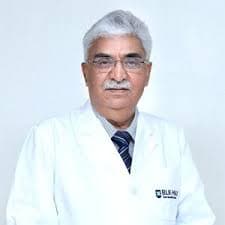
Dr. T. S. Kler
Kardiologiya
BLK-Max Super Speciality Hospital, Nyu-Dehli
Dr. T. S. Kler — 37+ yillik tajribaga ega bo‘lgan, interventsion kardiologiya va elektrofiziologiya bo‘yicha yetakchi mutaxassis bo‘lib, 35 000 dan ortiq angioplastiya operatsiyalarini amalga oshirgan.
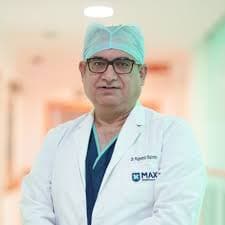
Dr. Rajneesh Malhotra
Kardiologiya
Max Super Speciality Hospital, Saket, Nyu-Dehli
Dr. Rajneesh Malhotra — 33+ yillik tajribaga ega yetakchi yurak jarrohi bo‘lib, yurak transplantatsiyasi va robotik jarrohlik bo‘yicha mutaxassis.
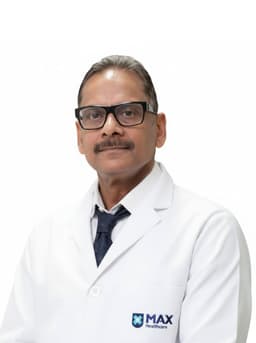
Dr. B.L. Agarwal
Kardiologiya
Max Super Speciality Hospital, Noida
Dr. B.L. Agarwal — 30+ yillik tajribaga ega interventsion kardiolog bo‘lib, angioplastika, stentlash va yurak yetishmovchiligi davolashda ixtisoslashgan.
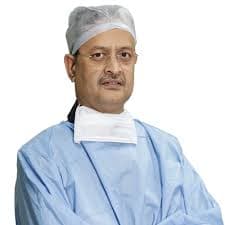
Dr. S. S. Bansal
Kardiologiya
SSB Heart & Multispecialty Hospital, Faridabad
Dr. S. S. Bansal — 30+ yillik tajribaga ega yetakchi interventsion kardiolog bo‘lib, angioplastika, stentlash va murakkab yurak kasalliklarini davolashda ixtisoslashgan.
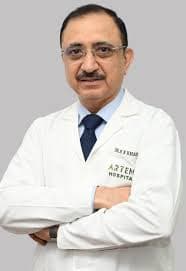
Dr. Surendra Nath Khanna
Kardiologiya
Artemis Hospital, Gurugram
Dr. Surendra Nath Khanna, Artemis Hospital Gurgaon’da yurak jarrohligi bo‘limi rahbari. 34+ yillik tajriba va 21,000+ yurak operatsiyalari. Klapan jarrohligi va CABG bo‘yicha mutaxassis.
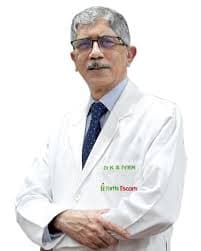
Dr. Krishna Subramony Iyer
Kardiologiya
Fortis Escorts Heart Institute, Nyu-Dehli
Dr. Krishna Subramony Iyer – bolalar yurak jarrohligida yetakchi mutaxassis, 45+ yillik tajriba va 14,000+ tug‘ma yurak operatsiyalari bilan Fortis Escorts, Dehli.
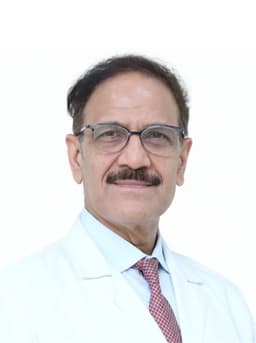
Dr. Subhash Chandra
Kardiologiya
BLK-Max Super Speciality Hospital, Nyu-Dehli
Dr. Subhash Chandra – 40+ yillik tajribaga ega interventsion kardiolog. TAVI, angioplastika, kardiostimulyator va yurak kasalliklari bo‘yicha ekspert.
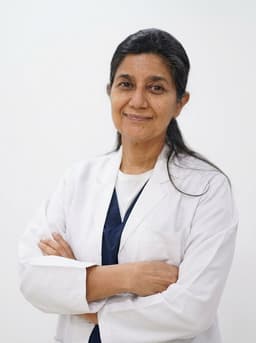
Dr. Aparna Jaswal
Kardiologiya
Fortis Escorts Heart Institute, New Delhi
Dr. Aparna Jaswal 30 yildan ortiq tajribaga ega yetakchi yurak elektrofiziologi. U Fortis Escorts Heart Institute, New Delhida kateter ablatsiyasi, ICD implantatsiyasi, CRT va murakkab aritmiyalarni davolash bo‘yicha mutaxassis.
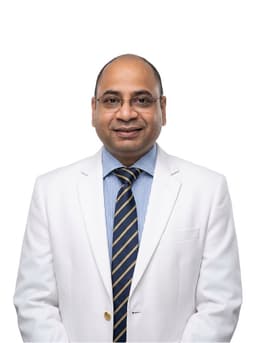
Dr. Aseem R. Srivastava
Kardiologiya
Artemis Hospital, Gurugram
Dr Aseem R. Srivastava Artemis Hospital, Gurgaonda faoliyat yurituvchi, AQShda malaka oshirgan bolalar kardiojarrohi bo‘lib, tug‘ma yurak jarrohligi bo‘yicha 20 yildan ortiq tajribaga ega.
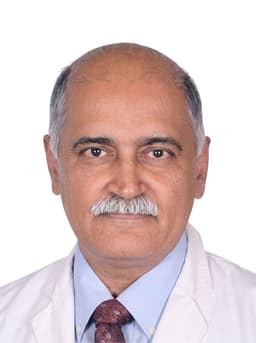
Dr Kulbhushan Singh Dagar
Kardiologiya
Max Super Speciality Hospital, Saket, New Delhi
Dr Kulbhushan Singh Dagar Max Saket shifoxonasida Neonatal va tug‘ma yurak jarrohligi bo‘yicha rais bo‘lib, bolalar yurak jarrohligi sohasida 32 yildan ortiq tajribaga ega.
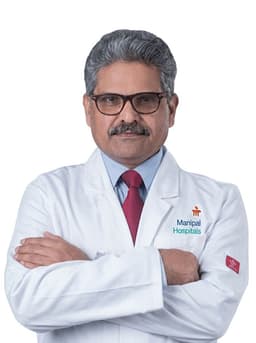
Dr. Yugal Kishor Mishra
Kardiologiya
Manipal Hospitals Dwarka, New Delhi
Dr. Yugal Kishor Mishra Manipal Dwarkada yurak kasalliklari instituti raisi bo‘lib, 30 yildan ortiq tajribaga ega va 19 000 dan ortiq yurak operatsiyasini amalga oshirgan.
Kutilayotgan natijalar va muvaffaqiyat nimani anglatadi
Tiklanish va kuzatuv jadvali
Uchishga yaroqlilik va faoliyat cheklovlari markazga xosdir.
Qanchalik tez boshlashim mumkin?
Ikkinchi xulosa
12-48 soat
Odatda tibbiy hisobotlarni baham ko'rgandan so'ng olinadi.
Jadval tuzish
1-2 ish kuni
Mutaxassisning mavjudligiga qarab
Viza taklifnomasi (VIL)
1-2 ish kuni
tibbiy viza arizangizni qo'llab-quvvatlash uchun tezda beriladi.
Hindistonda CABG jarrohligi narxi
Ushbu sahifa odatiy xarajatlar va ta'sir etuvchi omillar haqida umumiy ma'lumot beradi. Shaxsiy narx smetasi sizning hisobotlaringizni tibbiy ko'rib chiqqandan so'ng taqdim etiladi – shaxsiy smetangizni so'rash uchun biz bilan bog'laning.
VRH Healthcare qanday yordam beradi
VRH Healthcare shifoxona emas. Biz sizning tibbiy yordamni osonlashtiruvchi va bemorlarni yo'naltiruvchi hamkoringiz sifatida ishlaymiz, sizga ongli qarorlar qabul qilishda va Hindistonda davolanish jarayonini muammosiz o'tkazishda yordam beramiz.
Xalqaro bemorlarga xizmatlar
VRH bilan davolanish sayohatingiz
Davolanish tajribangiz bo'yicha soddalashtirilgan bosqichma-bosqich qo'llanma.
Tibbiy hisobotlarni baham ko'ring
Ekspertning ikkinchi xulosasini va taxminiy smetani oling
Sayohat, viza va uchrashuvlarni rejalashtiring
Joyida muvofiqlashtirish bilan davolash
Kasallikdan keyingi va doimiy tele-kuzatuvlar
Tibbiy hisobotlarni baham ko'ring
Ekspertning ikkinchi xulosasini va taxminiy smetani oling
Sayohat, viza va uchrashuvlarni rejalashtiring
Joyida muvofiqlashtirish bilan davolash
Kasallikdan keyingi va doimiy tele-kuzatuvlar
Biz xizmat ko'rsatadigan joylar: Biz qo'llab-quvvatlaydigan mamlakatlar
Middle East
Tilni qo'llab-quvvatlash, viza yordami va prostata jarrohligi uchun muvofiqlashtirilgan parvarishni rejalashtirish.
Africa
Diagnostika ko'rib chiqish, sayohatni rejalashtirish va davolashdan keyingi kuzatuv uchun yordam.
Central Asia & CIS
Jarrohlik yordami uchun tarjimonlik xizmatlari va shifoxona muvofiqlashtiruvi.
South Asia
Xulosalarga tezkor kirish, jadval tuzish va davolashning uzluksizligi.
U.K. & USA
Ikkinchi xulosalar, xarajatlarga sezgir rejalashtirish va qaytishdan keyingi tele-kuzatuvlar.
Other Countries
Shaxsiy sayohat va parvarish ehtiyojlariga asoslangan moslashtirilgan yordam.