
Hindistonda tiniq ko'rishni tiklash uchun katarakta jarrohligi
VRH Healthcare xalqaro bemorlarga tajribali oftalmologlar, ilg'or ko'z shifoxonalari va Hindistonda arzon katarakta jarrohligidan foydalanishga yordam beradi.
Taxminiy narx
$1,000 dan boshlab
*Narxlar shifoxona, shahar, jarroh tajribasi, xona toifasi va operatsiyadan oldingi tekshiruvlarga qarab farq qiladi.
Tasdiqlangan shifoxonalar
Faqat JCI va NABH akkreditatsiyalangan markazlar.
Kutishsiz xizmat
Xalqaro bemorlar uchun ustuvor uchrashuvlar.
Hindistonda katarakta jarrohligini tushunish
Hindistonda katarakta jarrohligi xalqaro bemorlar tomonidan yuqori muvaffaqiyat darajasi, ilg'or fako va lazer texnikalari, tajribali oftalmologlar va Buyuk Britaniya, AQSh va Yevropaga nisbatan sezilarli darajada past davolash xarajatlari tufayli keng tanlanadi.
Hindistonda katarakta jarrohligi turlari
Hindistonda kataraktaning zichligi, ko'z salomatligi va tanlangan ko'z ichi linzalari turiga qarab katarakta jarrohligining turli xil turlari amalga oshiriladi.
Fakoemulsifikatsiya (Fako jarrohligi)
Eng keng tarqalgan usul bo'lib, kataraktani kichik kesma orqali olib tashlash uchun ultratovushdan foydalanadi.
Femtosekundli lazer yordamida katarakta jarrohligi (FLACS)
Aniq kesmalar va kataraktani parchalash uchun lazerdan foydalanadi, bu aniqlik va tiklanishni oshirishi mumkin.
Ekstrakapsulyar katarakta ekstraktsiyasi (ECCE)
Kataraktani bir bo'lakda olib tashlash uchun kattaroq kesma, juda zich kataraktalar uchun ishlatiladi.
Intrakapsulyar katarakta ekstraktsiyasi (ICCE)
Butun linza va kapsulani olib tashlaydi; yuqori xavflar tufayli bugungi kunda kamdan-kam hollarda amalga oshiriladi.
Jarrohingiz sizga nima uchun ma'lum bir yondashuv tavsiya etilganini tushuntiradi.
Hindistonda katarakta jarrohligi uchun ilg'or texnologiya va usullar
Hindistonda katarakta jarrohligi quyidagilardan foydalangan holda amalga oshirilishi mumkin:
Afzalliklar
- **Ko'rish ravshanligi va yorqinligining sezilarli darajada yaxshilanishi:** Bemorlar ko'pincha o'tkir, tiniq ko'rishning keskin qaytishini qayd etadilar, bu esa kundalik ishlarni ancha oson va xavfsizroq qiladi.
- **Ko'zoynakka bog'liqlikning kamayishi:** Zamonaviy ko'z ichi linzalari (IOL) yordamida ko'plab bemorlar ko'zoynaksiz a'lo darajadagi uzoqni ko'rishga erishadilar, ilg'or IOLlar esa o'qish ko'zoynaklariga bo'lgan ehtiyojni ham kamaytirishi mumkin.
- **Hayot sifati va mustaqillikning oshishi:** Tiniqroq ko'rish harakatchanlikni yaxshilaydi, o'qish va haydash kabi sevimli mashg'ulotlarni qayta boshlashga imkon beradi va umumiy farovonlik va ishonchni sezilarli darajada oshiradi.
- **Minimal invaziv va nisbatan tez tiklanish:** Protsedura odatda ambulatoriya sharoitida, kichik kesmalar bilan amalga oshiriladi, bu esa tezroq shifo topishga va normal faoliyatga qaytishga olib keladi.
- **Uzoq muddatli va doimiy natijalar:** Bulutli linza olib tashlanib, IOL bilan almashtirilgandan so'ng, katarakta qayta paydo bo'lmaydi, bu ko'rishni tiklash uchun mustahkam yechimni ta'minlaydi.
Cheklovlar
- **Operatsiyadan keyingi asoratlar ehtimoli:** Kamdan-kam bo'lsa-da, xavflar orasida infektsiya, yallig'lanish, to'r parda ajralishi yoki ko'z ichi bosimining oshishi mavjud bo'lib, ular zudlik bilan tibbiy yordamni talab qiladi.
- **Ba'zi faoliyatlar uchun hali ham ko'zoynak talab qilinishi mumkin:** Hatto ilg'or IOLlar bilan ham, ba'zi bemorlarga ma'lum vazifalar, ayniqsa mayda shrift yoki ma'lum yorug'lik sharoitlarida ko'zoynak kerak bo'lishi mumkin.
- **Barcha bemorlar ilg'or IOLlar uchun mos emas:** Multifokal yoki torik linzalar uchun moslik individual ko'z salomatligi, turmush tarzi va glaukoma yoki makula degeneratsiyasi kabi boshqa ko'z kasalliklarining yo'qligiga bog'liq.
- **Tiklanish vaqtinchalik cheklovlarni o'z ichiga oladi:** Bemorlar to'g'ri shifo topish va asoratlarni oldini olish uchun bir necha hafta davomida og'ir narsalarni ko'tarishdan, egilishdan, ko'zni ishqalashdan va suzishdan saqlanishlari kerak.
- **Natijalar oldindan mavjud ko'z kasalliklariga qarab farq qilishi mumkin:** Natijalar sog'lom ko'zlarda optimaldir; diabetik retinopatiya yoki glaukoma kabi kasalliklar erishilgan yakuniy ko'rish o'tkirligiga ta'sir qilishi mumkin.
Diagnostika va kelishdan oldingi tekshiruv
Kelishdan oldingi va sayohat ro'yxati
Protsedura qanday amalga oshiriladi (bosqichma-bosqich)
Anesteziya
Jarrohlikdan oldin ko'z mahalliy og'riqsizlantiruvchi tomchilar yoki ko'z atrofidagi mahalliy in'ektsiya yordamida og'riqsizlantiriladi, bu esa protsedura davomida sizning qulay va og'riqsiz bo'lishingizni ta'minlaydi.
Kesma
Yuqori malakali jarroh shox parda chetida bulutli tabiiy linzaga kirish uchun odatda 3 mm dan kam bo'lgan kichik, o'z-o'zidan yopiladigan kesma hosil qiladi.
Kataraktani olib tashlash (Fakoemulsifikatsiya)
Kichik ultratovush probi kesma orqali kataraktani mayda bo'laklarga bo'lish uchun kiritiladi, so'ngra ular ko'zdan ehtiyotkorlik bilan so'rib olinadi.
IOL implantatsiyasi
Maxsus tanlangan, buklangan sun'iy ko'z ichi linzalari (IOL) xuddi shu kichik kesma orqali kiritiladi va tabiiy linzani ochish va almashtirish uchun aniq joylashtiriladi.
Yopish
Kichik shox parda kesmasi odatda tikuvlarsiz tabiiy ravishda yopiladi. Keyin dastlabki tiklanish bosqichida ko'zni himoya qilish uchun himoya ko'z qalqoni qo'llaniladi.
Oftalmologiya bo‘yicha eng yaxshi mutaxassislar
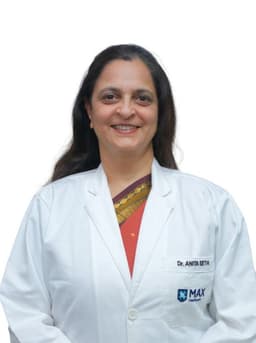
Dr. Anita Sethi
Oftalmologiya
Max Super Speciality Hospital, Saket, Nyu-Dehli
Dr. Anita Sethi — 35+ yillik tajribaga ega yetakchi oftalmolog bo‘lib, LASIK, katarakta va okuloplastik operatsiyalarga ixtisoslashgan.
Dr. Suraj Munjal
Oftalmologiya
The Sight Avenue, Nyu-Dehli
Dr. Suraj Munjal — 20 yillik tajribaga ega yetakchi oftalmolog bo‘lib, LASIK, katarakta va kornea transplantatsiyasi bo‘yicha mutaxassis.
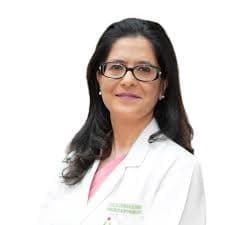
Dr. Parul Maheshwari Sharma
Oftalmologiya
Fortis Memorial Research Institute, Gurugram
Dr. Parul Sharma — 25+ yillik tajribaga ega yetakchi oftalmolog bo‘lib, LASIK, katarakta va glaukoma davolashda ixtisoslashgan.
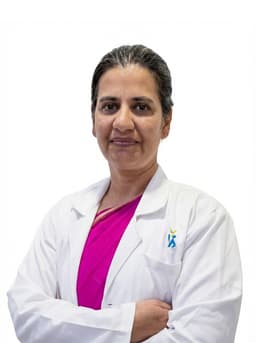
Dr. Uma Mallaiah
Oftalmologiya
Indraprastha Apollo Hospital, Nyu-Dehli
Dr. Uma Mallaiah – Apollo Delhi’da 23+ yillik tajribaga ega oftalmolog. Katarakta, glaukoma, LASIK va ko‘z jarrohligi bo‘yicha mutaxassis.
Kutilayotgan natijalar va muvaffaqiyat nimani anglatadi
Tiklanish va keyingi tekshiruv jadvali
Uchishga yaroqlilik va faoliyat cheklovlari markazga xosdir.
Qanchalik tez boshlashim mumkin?
Ikkinchi fikr
12-48 hours
Odatda tibbiy hisobotlarni ulashgandan so'ng olinadi.
Rejalashtirish
1-2 working days
Mutaxassisning mavjudligiga qarab
Viza taklifnomasi (VIL)
1-2 working days
Tibbiy viza arizangizni qo'llab-quvvatlash uchun zudlik bilan beriladi.
Hindistonda katarakta jarrohligi narxi va sizning hisob-kitobingizga ta'sir qiluvchi omillar
Ushbu sahifa katarakta jarrohligining odatiy xarajatlari va ta'sir qiluvchi omillari haqida umumiy ma'lumot beradi. Aniq, shaxsiylashtirilgan narx hisob-kitobi faqat mutaxassis tomonidan hisobotlaringizni chuqur tibbiy ko'rib chiqishdan so'ng taqdim etilishi mumkin. Ushbu ko'rib chiqishni osonlashtirish va moliyaviy rejalashtirishda shaffoflik va aniqlikni ta'minlash uchun individual hisob-kitobingizni olish uchun VRH Healthcare bilan bog'laning.
VRH Healthcare qanday yordam beradi
VRH Healthcare shifoxona emas. Biz sizning tibbiy yordamni osonlashtiruvchi va bemorlarni yo'naltiruvchi hamkoringiz bo'lib, Hindistonda xabardor qarorlar qabul qilishga va davolanish jarayonini muammosiz o'tkazishga yordam beramiz.
Xalqaro bemorlarga xizmatlar
VRH bilan davolanish jarayoningiz
Davolanish tajribangiz bo'yicha soddalashtirilgan bosqichma-bosqich qo'llanma.
Tibbiy hisobotlarni ulashing
Mutaxassisning ikkinchi fikrini va taxminiy narxni oling
Sayohat, viza va uchrashuvlarni rejalashtiring
Joyida muvofiqlashtirish bilan davolash
Kasalxonadan chiqish va doimiy tele-tekshiruvlar
Tibbiy hisobotlarni ulashing
Mutaxassisning ikkinchi fikrini va taxminiy narxni oling
Sayohat, viza va uchrashuvlarni rejalashtiring
Joyida muvofiqlashtirish bilan davolash
Kasalxonadan chiqish va doimiy tele-tekshiruvlar
Biz xizmat ko'rsatadigan joylar: Biz qo'llab-quvvatlaydigan mamlakatlar
Yaqin Sharq
Ilg'or ko'z jarrohligi uchun til yordami, viza yordami va muvofiqlashtirilgan davolash rejalashtirish.
Afrika
Diagnostika ko'rib chiqish, sayohatni rejalashtirish va ko'rishni tiklash uchun davolashdan keyingi tekshiruvlarni qo'llab-quvvatlash.
Markaziy Osiyo va MDH
Oftalmik jarrohlik yordami uchun tarjimonlik xizmatlari va shifoxona muvofiqlashtiruvi.
Janubiy Osiyo
Katarakta davolash uchun fikrlarga, rejalashtirishga va davolashning uzluksizligiga tezkor kirish.
Buyuk Britaniya va AQSh
Ikkinchi fikrlar, xarajatlarga sezgir rejalashtirish va ko'z parvarishi uchun qaytishdan keyingi tele-tekshiruvlar.
Boshqa mamlakatlar
Xalqaro bemorlar uchun individual sayohat va parvarish ehtiyojlariga asoslangan moslashtirilgan yordam.