
Hindistonda koronar angioplastika va stent jarrohligi
VRH Healthcare xalqaro bemorlarga tajribali intervension kardiologlar, ilg'or kateterizatsiya laboratoriyalari va Hindistonda tejamkor angioplastika va stentlash muolajalaridan foydalanishga yordam beradi.
Taxminiy narx
$3,500 dan boshlab
*Narxlar shifoxona, shahar, jarroh tajribasi, xona toifasi va operatsiyadan oldingi tekshiruvlarga qarab farq qiladi.
Tasdiqlangan shifoxonalar
Faqat JCI va NABH akkreditatsiyalangan markazlar.
Kutishsiz xizmat
Xalqaro bemorlar uchun ustuvor uchrashuvlar.
Hindistonda koronar angioplastika va stentlashni tushunish
Koronar angioplastika va stentlash – bu intervension kardiologlar tomonidan tiqilib qolgan yoki toraygan koronar arteriyalarni ochish uchun amalga oshiriladigan minimal invaziv muolajadir. Ko'pincha blyashka to'planishi (ateroskleroz) tufayli yuzaga keladigan bu tiqilmalar yurak mushaklariga qon oqimini cheklaydi, bu esa ko'krak qafasidagi og'riq (angina) yoki yurak xurujiga olib keladi. Hindistonda bu ilg'or kateterga asoslangan texnika arteriyani kengaytirish uchun balon uchli kateterni kiritishni, so'ngra uni ochiq holda ushlab turish uchun stent deb ataladigan kichik to'r naychasini joylashtirishni o'z ichiga oladi, bu esa hayotiy qon ta'minotini tiklaydi va yurak faoliyatini yaxshilaydi.
Hindistonda koronar angioplastika va stentlash muolajalarining turlari
Balon angioplastikasi (PTCA)
Balon kateter arteriyani kengaytirish uchun shishiriladi, ba'zan stentsiz.
Yalang'och metall stent (BMS) joylashtirish
Balon shishirilgandan so'ng arteriyani ochiq holda ushlab turish uchun metall to'r naycha kiritiladi.
Dori ajratuvchi stent (DES) joylashtirish
Arteriyaning qayta torayishini oldini olish uchun dori bilan qoplangan stent.
Stentlash bilan rotatsion aterektomiya
Angioplastika va stent joylashtirishdan oldin kichik burg'u qattiq blyashkani olib tashlaydi.
Stentlash bilan tomir ichi litotripsiyasi (IVL)
Tovush to'lqinlari kalsifikatsiyalangan blyashkani parchalaydi, so'ngra balon angioplastikasi va stentlash amalga oshiriladi.
Sizning kardiologingiz sizga nima uchun ma'lum bir yondashuv tavsiya etilganini tushuntiradi.
Hindistonda koronar angioplastika uchun ishlatiladigan ilg'or texnologiyalar
Hindistonda koronar angioplastika va stentlash quyidagilar yordamida amalga oshirilishi mumkin:
Afzalliklar
- Minimal invaziv muolaja, ochiq yurak jarrohligidan qochish.
- Ko'krak qafasidagi og'riq va boshqa yurak simptomlaridan tezda xalos bo'lish.
- Yurak mushaklariga qon oqimining sezilarli darajada yaxshilanishi.
- Bypass jarrohligiga nisbatan kasalxonada qolish muddati qisqaroq va tezroq tiklanish.
- Hayot sifatini yaxshilash va normal faoliyatga qaytish qobiliyati.
- Ko'plab bemorlarda kelajakdagi yurak xurujlari xavfining kamayishi.
Cheklovlar
- Davolangan arteriyada qayta torayish (restenoz) xavfi.
- Stent trombozi (stent ichida qon ivishi) ehtimoli.
- Tasvirlash jarayonida radiatsiyaga ta'sir qilish.
- Barcha turdagi murakkab tiqilmalar yoki diffuz kasalliklar uchun mos emas.
- Vaqt o'tishi bilan takroriy muolajalar talab qilishi mumkin.
- Qon ketish, infeksiya yoki buyrak muammolari kabi asoratlar ehtimoli.
Diagnostika va kelishdan oldingi tekshiruv
Kelishdan oldingi va sayohat ro'yxati
Muolaja qanday amalga oshiriladi (bosqichma-bosqich)
Tayyorgarlik va kirish
Sizga mahalliy og'riqsizlantirish va yengil sedatsiya beriladi. Yupqa kateterni kiritish uchun odatda bilak (radial) yoki chov (femoral) arteriyasida kichik kesma qilinadi.
Kateter va yo'naltiruvchi simni kiritish
Rentgen tasvirlash yordamida kateter qon tomirlari orqali ehtiyotkorlik bilan yuragingizdagi tiqilib qolgan koronar arteriyaga yetkaziladi.
Balonni shishirish
Kateter uchidagi kichik balon tiqilish joyida shishiriladi, blyashkani arteriya devorlariga siqib, tomirni kengaytiradi.
Stent joylashtirish
Balon shishirilgandan so'ng, arteriyani doimiy ravishda ochiq ushlab turish va qon oqimini saqlash uchun stent (kichik to'r naycha) joylashtiriladi.
Kateterni olib tashlash va yopish
Balon kateter olib tashlanadi, stent joyida qoladi. Kirish joyi keyin yopiladi, ko'pincha bosimli bog'ich yoki qurilma yordamida.
Muolajadan keyingi monitoring
Barqarorlikni ta'minlash va har qanday asoratlarni tekshirish uchun bir necha soat davomida tiklanish zonasida diqqat bilan kuzatilasiz.
Kardiologiya bo‘yicha eng yaxshi mutaxassislar

Dr. Naresh Trehan
Kardiologiya
Medanta - The Medicity, Gurugram
Dr. Naresh Trehan — 56+ yillik tajribaga ega, yurak transplantatsiyasi va robotik yurak jarrohligi bo‘yicha dunyoga mashhur yurak jarrohi.
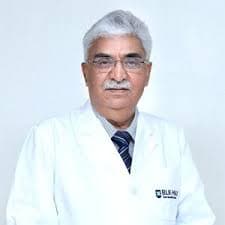
Dr. T. S. Kler
Kardiologiya
BLK-Max Super Speciality Hospital, Nyu-Dehli
Dr. T. S. Kler — 37+ yillik tajribaga ega bo‘lgan, interventsion kardiologiya va elektrofiziologiya bo‘yicha yetakchi mutaxassis bo‘lib, 35 000 dan ortiq angioplastiya operatsiyalarini amalga oshirgan.
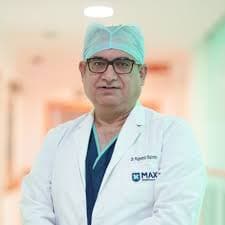
Dr. Rajneesh Malhotra
Kardiologiya
Max Super Speciality Hospital, Saket, Nyu-Dehli
Dr. Rajneesh Malhotra — 33+ yillik tajribaga ega yetakchi yurak jarrohi bo‘lib, yurak transplantatsiyasi va robotik jarrohlik bo‘yicha mutaxassis.
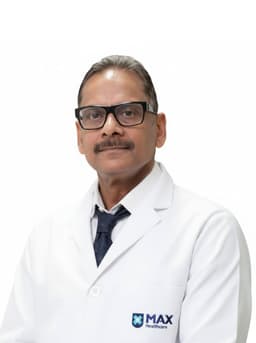
Dr. B.L. Agarwal
Kardiologiya
Max Super Speciality Hospital, Noida
Dr. B.L. Agarwal — 30+ yillik tajribaga ega interventsion kardiolog bo‘lib, angioplastika, stentlash va yurak yetishmovchiligi davolashda ixtisoslashgan.
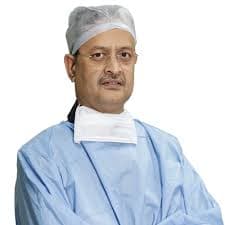
Dr. S. S. Bansal
Kardiologiya
SSB Heart & Multispecialty Hospital, Faridabad
Dr. S. S. Bansal — 30+ yillik tajribaga ega yetakchi interventsion kardiolog bo‘lib, angioplastika, stentlash va murakkab yurak kasalliklarini davolashda ixtisoslashgan.
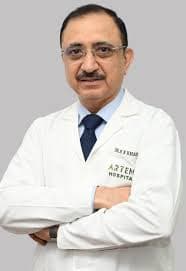
Dr. Surendra Nath Khanna
Kardiologiya
Artemis Hospital, Gurugram
Dr. Surendra Nath Khanna, Artemis Hospital Gurgaon’da yurak jarrohligi bo‘limi rahbari. 34+ yillik tajriba va 21,000+ yurak operatsiyalari. Klapan jarrohligi va CABG bo‘yicha mutaxassis.
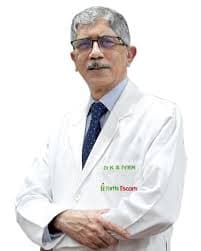
Dr. Krishna Subramony Iyer
Kardiologiya
Fortis Escorts Heart Institute, Nyu-Dehli
Dr. Krishna Subramony Iyer – bolalar yurak jarrohligida yetakchi mutaxassis, 45+ yillik tajriba va 14,000+ tug‘ma yurak operatsiyalari bilan Fortis Escorts, Dehli.
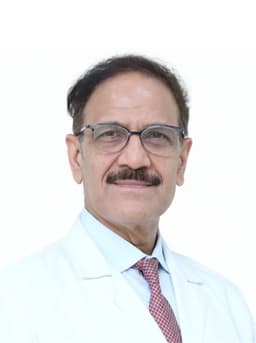
Dr. Subhash Chandra
Kardiologiya
BLK-Max Super Speciality Hospital, Nyu-Dehli
Dr. Subhash Chandra – 40+ yillik tajribaga ega interventsion kardiolog. TAVI, angioplastika, kardiostimulyator va yurak kasalliklari bo‘yicha ekspert.

Dr. Aparna Jaswal
Kardiologiya
Fortis Escorts Heart Institute, New Delhi
Dr. Aparna Jaswal 30 yildan ortiq tajribaga ega yetakchi yurak elektrofiziologi. U Fortis Escorts Heart Institute, New Delhida kateter ablatsiyasi, ICD implantatsiyasi, CRT va murakkab aritmiyalarni davolash bo‘yicha mutaxassis.
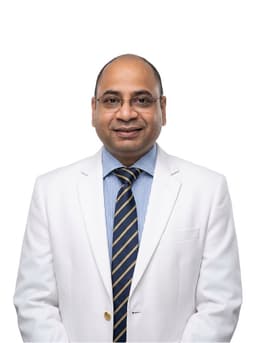
Dr. Aseem R. Srivastava
Kardiologiya
Artemis Hospital, Gurugram
Dr Aseem R. Srivastava Artemis Hospital, Gurgaonda faoliyat yurituvchi, AQShda malaka oshirgan bolalar kardiojarrohi bo‘lib, tug‘ma yurak jarrohligi bo‘yicha 20 yildan ortiq tajribaga ega.
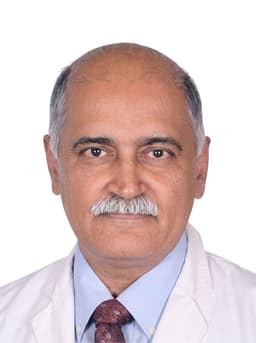
Dr Kulbhushan Singh Dagar
Kardiologiya
Max Super Speciality Hospital, Saket, New Delhi
Dr Kulbhushan Singh Dagar Max Saket shifoxonasida Neonatal va tug‘ma yurak jarrohligi bo‘yicha rais bo‘lib, bolalar yurak jarrohligi sohasida 32 yildan ortiq tajribaga ega.
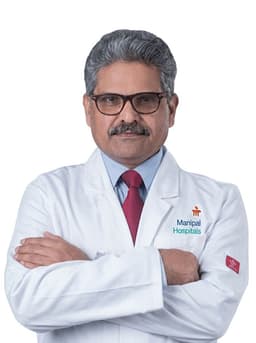
Dr. Yugal Kishor Mishra
Kardiologiya
Manipal Hospitals Dwarka, New Delhi
Dr. Yugal Kishor Mishra Manipal Dwarkada yurak kasalliklari instituti raisi bo‘lib, 30 yildan ortiq tajribaga ega va 19 000 dan ortiq yurak operatsiyasini amalga oshirgan.
Kutilayotgan natijalar va muvaffaqiyat nimani anglatadi
Tiklanish va kuzatuv jadvali
Uchishga yaroqlilik va faoliyat cheklovlari markazga xos bo'lib, individual tiklanishga bog'liq.
Qanchalik tez boshlashim mumkin?
Ikkinchi fikr
12–48 soat
Odatda VRH Healthcare bilan to'liq tibbiy hisobotlaringizni bo'lishgandan so'ng olinadi.
Tibbiy viza va sayohatni rejalashtirish
1-3 hafta
Tibbiy viza taklifnomalari va sayohat tartiblarini ko'rib chiqish muddati mamlakatga qarab farq qiladi.
Kasalxonaga yotqizish va muolajadan oldingi tayyorgarlik
Kelgandan keyin 2-3 kun
Yakuniy diagnostika, kardiologiya jamoasi bilan maslahatlashuvlar va muolajaga tayyorgarlikni ta'minlaydi.
Muolaja va tiklanish
Hindistonda 2-4 kun
Angioplastika va stentlash muolajasini, so'ngra kasalxonada qolish va dastlabki tiklanishni o'z ichiga oladi.
Hindistonda koronar angioplastika va stent jarrohligi narxi
Ushbu sahifa odatiy xarajatlar va ta'sir etuvchi omillar haqida umumiy ma'lumot beradi. Shaxsiylashtirilgan narx hisob-kitobi hisobotlaringizni tibbiy ko'rib chiqishdan so'ng taqdim etiladi – individual hisob-kitobingizni so'rash uchun biz bilan bog'laning.
VRH Healthcare qanday yordam beradi
VRH Healthcare kasalxona emas. Biz sizning tibbiy yordamni osonlashtiruvchi va bemorlarni yo'naltiruvchi hamkoringiz bo'lib, Hindistonda xabardor qarorlar qabul qilishingizga va davolanish jarayonidan muammosiz o'tishingizga yordam beramiz.
Xalqaro bemorlarga xizmatlar
VRH bilan davolanish jarayoningiz
Davolash tajribangiz bo'yicha soddalashtirilgan bosqichma-bosqich qo'llanma.
Mutaxassis ko'rib chiqishi uchun tibbiy hisobotlarni bo'lishing
Mutaxassisning ikkinchi fikrini va taxminiy narx hisob-kitobini oling
Bizning yordamimiz bilan sayohat, tibbiy viza va kasalxona uchrashuvlarini rejalashtiring
Hindistonda joyida maxsus muvofiqlashtirish bilan davolaning
Muammosiz kasalxonadan chiqish va tiklanish uchun doimiy tele-kuzatuvlarni boshdan kechiring
Mutaxassis ko'rib chiqishi uchun tibbiy hisobotlarni bo'lishing
Mutaxassisning ikkinchi fikrini va taxminiy narx hisob-kitobini oling
Bizning yordamimiz bilan sayohat, tibbiy viza va kasalxona uchrashuvlarini rejalashtiring
Hindistonda joyida maxsus muvofiqlashtirish bilan davolaning
Muammosiz kasalxonadan chiqish va tiklanish uchun doimiy tele-kuzatuvlarni boshdan kechiring
Biz xizmat ko'rsatadigan joylar: Biz qo'llab-quvvatlaydigan mamlakatlar
Yaqin Sharq
Yurak muolajalari uchun til yordami, viza yordami va muvofiqlashtirilgan davolashni rejalashtirish.
Afrika
Diagnostika ko'rib chiqish, sayohatni rejalashtirish va davolashdan keyingi kuzatuv uchun yordam.
Markaziy Osiyo va MDH
Intervension kardiologiya parvarishi uchun tarjimonlik xizmatlari va kasalxona muvofiqlashtiruvi.
Janubiy Osiyo
Fikrlar, rejalashtirish va davolashning uzluksizligiga tezkor kirish.
Buyuk Britaniya va AQSh
Ikkinchi fikrlar, narxga sezgir rejalashtirish va qaytgandan keyingi tele-kuzatuvlar.
Boshqa mamlakatlar
Individual sayohat va davolash ehtiyojlariga asoslangan moslashtirilgan yordam.