
Microdiscectomia Especializada na Índia para Alívio de Hérnia de Disco
Navegue pela cirurgia de coluna minimamente invasiva avançada com o suporte confiável da VRH Healthcare e acesso a neurocirurgiões líderes.
Hospitais verificados
Apenas centros acreditados pela JCI e NABH.
Sem tempo de espera
Consultas prioritárias para pacientes internacionais.
O Que é a Cirurgia de Microdiscectomia na Índia?
A cirurgia de microdiscectomia na Índia é um procedimento minimamente invasivo da coluna lombar realizado para aliviar a compressão da raiz nervosa causada por uma hérnia de disco (disco escorregadio), mais comumente nos níveis L4-L5 ou L5-S1. O procedimento remove o fragmento de disco protuberante que pressiona o nervo espinhal, o que tipicamente causa ciática severa, dor na perna, dormência ou fraqueza.
É geralmente recomendada quando tratamentos conservadores, como medicamentos, fisioterapia e injeções, não conseguem proporcionar alívio após 6 a 8 semanas, ou quando há fraqueza neurológica progressiva.
Cirurgiões de coluna indianos realizam a microdiscectomia utilizando microscópios cirúrgicos, sistemas endoscópicos e neuromonitorização para garantir precisão e proteção nervosa. Comparada à cirurgia de coluna aberta tradicional, a microdiscectomia envolve incisões menores, mínima disrupção muscular, menor tempo de internação hospitalar e recuperação mais rápida.
Para pacientes internacionais, o custo da microdiscectomia na Índia é significativamente menor do que nos EUA, Reino Unido e Oriente Médio, mantendo fortes resultados clínicos em centros de coluna credenciados.
A VRH Healthcare não é um hospital. Atuamos como um facilitador médico independente, ajudando os pacientes a obter opiniões neurocirúrgicas, comparar hospitais de cirurgia de coluna e receber orçamentos de custos transparentes antes de viajar.
Tipos / Variantes de Microdiscectomia
Microdiscectomia Padrão
Realizada através de uma pequena incisão utilizando um microscópio para visualização e precisão aprimoradas.
Microdiscectomia Endoscópica
Utiliza uma pequena câmera (endoscópio) inserida através de uma incisão muito pequena, oferecendo mínima disrupção tecidual.
Microdiscectomia Tubular
Um pequeno tubo é inserido para criar um canal de trabalho, permitindo a dilatação muscular em vez de corte.
Seu cirurgião explicará por que uma abordagem específica é recomendada para você.
Tecnologia e Técnicas
Na Índia, a Microdiscectomia pode ser realizada utilizando:
Benefícios
- Abordagem minimamente invasiva, resultando em incisões menores e cicatrizes reduzidas.
- Alívio significativo da dor na perna, dormência e fraqueza causadas pela compressão nervosa.
- Tempos de recuperação mais rápidos e estadias hospitalares mais curtas em comparação com a cirurgia aberta tradicional.
- Preservação da estabilidade da coluna, pois mínima quantidade de osso ou músculo é removida.
- Altas taxas de sucesso no alívio dos sintomas e na melhoria da qualidade de vida.
Limitações
- Não é adequada para todos os tipos de problemas de disco ou degeneração espinhal avançada.
- Risco de recorrência de hérnia de disco, embora geralmente baixo, exigindo cuidados pós-operatórios rigorosos.
- Potencial para danos nervosos, infecção ou sangramento, como em qualquer procedimento cirúrgico.
- Pode não resolver completamente todas as dores nas costas preexistentes se não estiverem diretamente relacionadas à hérnia de disco.
- Requer expertise cirúrgica altamente especializada e equipamentos avançados para resultados ótimos.
Diagnósticos e Preparação Pré-Chegada
Lista de Verificação Pré-Chegada e Viagem
Como o Procedimento é Realizado (Passo a Passo)
Posicionamento do Paciente e Anestesia
O paciente é posicionado de bruços, e anestesia geral é administrada para garantir conforto e imobilidade durante toda a cirurgia.
Pequena Incisão e Retração Muscular
Uma pequena incisão, tipicamente de 2-3 cm, é feita na parte inferior das costas. Os músculos são cuidadosamente retraídos, não cortados, para expor a coluna vertebral.
Visualização e Identificação da Raiz Nervosa
Utilizando um microscópio cirúrgico ou endoscópio, o cirurgião obtém uma visão ampliada para identificar precisamente a raiz nervosa afetada e o disco herniado.
Remoção do Material do Disco
Uma pequena janela é criada no ligamento, e o fragmento de disco protuberante que comprime o nervo é cuidadosamente removido, aliviando a pressão.
Fechamento da Incisão
Uma vez que o nervo é descomprimido, o local cirúrgico é irrigado, e a incisão é fechada com suturas, frequentemente deixando cicatrizes mínimas.
Principais especialistas em Cirurgia da Coluna
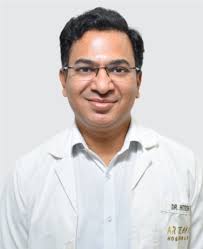
Dr. Hitesh Garg
Cirurgia da Coluna
Artemis Hospital, Gurugram
O Dr. Hitesh Garg, um dos principais cirurgiões de coluna em Gurugram, com mais de 20 anos de experiência, destaca-se em cirurgias minimamente invasivas e robóticas no Artemis Hospital.
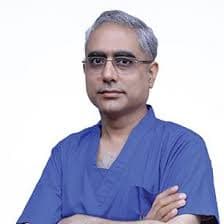
Dr. Manoj Miglani
Cirurgia da Coluna
Hospital Fortis, Vasant Kunj, Nova Deli
O Dr. Manoj Miglani, um dos principais cirurgiões de coluna com mais de 26 anos de experiência, destaca-se em cirurgias minimamente invasivas no Fortis Hospital, Vasant Kunj.

Dr. Puneet Girdhar
Cirurgia da Coluna
BLK-Max Super Speciality Hospital, Nova Deli
O Dr. Puneet Girdhar é um dos principais cirurgiões de coluna robótica em Deli, com mais de 27 anos de experiência e mais de 15.000 cirurgias da coluna realizadas. Especialista em cirurgia minimamente invasiva e complexa da coluna no BLK-Max Hospital.

Dr. Ashish Dagar
Cirurgia da Coluna
Manipal Hospital Gurugram
O Dr. Ashish Dagar é um cirurgião ortopédico da coluna com formação em fellowship no Manipal Hospital Gurugram, com mais de 15 anos de experiência. Especialista em cirurgia minimamente invasiva e endoscópica da coluna, correção de escoliose e fusões cervicais/lombares.
Resultados Esperados e O Que o Sucesso Significa
Cronograma de Recuperação e Acompanhamento
A aptidão para voar e os limites de atividade são específicos de cada centro.
Com Que Rapidez Posso Começar?
Segunda Opinião
12-48 horas
Geralmente recebida após o compartilhamento de relatórios médicos.
Agendamento
1-2 dias úteis
Dependendo da disponibilidade do especialista
Carta Convite para Visto (VIL)
1-2 dias úteis
emitida prontamente para apoiar sua solicitação de visto médico.
Custo da Microdiscectomia na Índia e Fatores de Preço
Esta página fornece uma visão geral dos custos típicos e fatores influenciadores. Um orçamento de custo personalizado é compartilhado após uma revisão médica de seus relatórios — entre em contato conosco para solicitar seu orçamento individual.
Como a VRH Healthcare Ajuda
A VRH Healthcare não é um hospital. Atuamos como seu parceiro de facilitação médica e navegação do paciente, ajudando você a tomar decisões informadas e a progredir sem problemas no tratamento na Índia.
Serviços para Pacientes Internacionais
Sua Jornada de Tratamento com a VRH
Um guia passo a passo simplificado para sua experiência de tratamento.
Compartilhe relatórios médicos para avaliação inicial e revisão especializada.
Receba uma segunda opinião especializada e um orçamento indicativo dos melhores especialistas.
Planeje viagem, visto e consultas com nossa equipe dedicada de atendimento ao paciente.
Tratamento com coordenação no local, garantindo uma experiência hospitalar tranquila.
Alta e acompanhamentos telefônicos contínuos para suporte após o retorno para casa.
Compartilhe relatórios médicos para avaliação inicial e revisão especializada.
Receba uma segunda opinião especializada e um orçamento indicativo dos melhores especialistas.
Planeje viagem, visto e consultas com nossa equipe dedicada de atendimento ao paciente.
Tratamento com coordenação no local, garantindo uma experiência hospitalar tranquila.
Alta e acompanhamentos telefônicos contínuos para suporte após o retorno para casa.
Onde Atendemos: Países Que Apoiamos
Oriente Médio
Suporte de idioma, assistência com visto e planejamento coordenado de cuidados para cirurgia de coluna.
África
Suporte para revisão de diagnósticos, planejamento de viagem e acompanhamento pós-tratamento.
Ásia Central e CEI
Serviços de interpretação e coordenação hospitalar para cuidados cirúrgicos.
Sul da Ásia
Acesso rápido a opiniões, agendamento e continuidade dos cuidados.
Reino Unido e EUA
Segundas opiniões, planejamento sensível ao custo e acompanhamentos telefônicos pós-retorno.
Outros Países
Suporte personalizado com base nas necessidades individuais de viagem e tratamento.