
Cirurgia Especializada da Coluna Cervical na Índia: Seu Caminho para o Alívio
Navegue pelo tratamento avançado da coluna cervical com a VRH Healthcare, conectando-o a especialistas líderes e instalações de classe mundial para um cuidado abrangente.
Hospitais verificados
Apenas centros acreditados pela JCI e NABH.
Sem tempo de espera
Consultas prioritárias para pacientes internacionais.
Compreendendo a Cirurgia da Coluna Cervical na Índia
A cirurgia da coluna cervical engloba vários procedimentos cirúrgicos realizados na região do pescoço (cervical) da coluna. É tipicamente recomendada quando tratamentos não cirúrgicos falham em aliviar sintomas graves causados por condições que afetam a medula espinhal ou as raízes nervosas. As indicações comuns incluem hérnia de disco cervical, estenose espinhal, mielopatia cervical ou instabilidade resultante de alterações degenerativas ou trauma. Os objetivos primários são aliviar a pressão sobre as estruturas neurais, estabilizar a coluna, reduzir a dor e restaurar a função neurológica. Na Índia, cirurgiões de coluna altamente experientes utilizam técnicas avançadas para alcançar resultados ótimos para os pacientes, melhorando significativamente a qualidade de vida para pacientes internacionais que procuram cuidados especializados.
Tipos / Variantes de Cirurgia da Coluna Cervical
Discectomia e Fusão Cervical Anterior (ACDF)
Remove o disco danificado pela frente, fundindo vértebras para estabilidade.
Substituição de Disco Cervical Anterior (ACDR)
Substitui o disco danificado por um artificial, preservando o movimento.
Laminectomia/Laminoplastia Cervical Posterior
Remove ou remodela o osso pela parte de trás para descomprimir a medula espinhal.
Foraminotomia Cervical Posterior
Aumenta a abertura da raiz nervosa pela parte de trás para aliviar a compressão nervosa.
Corpectomia Cervical
Remove um corpo vertebral e discos adjacentes, frequentemente para compressão multinível.
Seu cirurgião explica por que uma abordagem específica é recomendada para você.
Tecnologia e Técnicas
Na Índia, a Cirurgia da Coluna Cervical pode ser realizada utilizando:
Benefícios
- Redução significativa da dor crônica no pescoço e braço, melhorando o conforto diário.
- Restauração da função neurológica, aliviando dormência, formigamento e fraqueza.
- Estabilização da coluna cervical, prevenindo danos e deformidades adicionais.
- Melhora da amplitude de movimento e flexibilidade no pescoço para certos procedimentos.
- Melhora da qualidade de vida geral, permitindo o retorno ao trabalho e atividades de lazer.
- Prevenção de déficits neurológicos progressivos, preservando a saúde a longo prazo.
- Correção de deformidades da coluna, melhorando a postura e o alinhamento espinhal.
- Redução da dependência de medicação para dor a longo prazo e terapias conservadoras.
Limitações
- Requer um período de recuperação significativo, impactando temporariamente as atividades diárias.
- Potencial para complicações cirúrgicas como infecção, sangramento ou dano nervoso.
- Procedimentos de fusão podem levar à redução da mobilidade do pescoço e doença do segmento adjacente.
- Nem todos os sintomas preexistentes podem ser totalmente resolvidos, especialmente problemas de longa data.
- Riscos de anestesia estão presentes, como em qualquer intervenção cirúrgica de grande porte.
- O compromisso com a reabilitação é crucial para resultados ótimos a longo prazo.
- Risco de problemas relacionados a implantes, embora raro com materiais modernos.
- O sucesso varia com base na condição subjacente e na saúde geral do paciente.
Diagnósticos e Preparação Pré-Chegada
Lista de Verificação Pré-Chegada e Viagem
Como o Procedimento é Realizado (Passo a Passo)
Avaliação Pré-operatória
Avaliação abrangente, incluindo revisão de imagens, exames de sangue e avaliação da aptidão para anestesia pela equipe médica.
Administração de Anestesia
A anestesia geral é administrada para garantir que o paciente esteja inconsciente e sem dor durante todo o procedimento cirúrgico.
Incisão Cirúrgica
Uma incisão é cuidadosamente feita, seja na parte frontal (anterior) ou traseira (posterior) do pescoço, com base na abordagem cirúrgica escolhida.
Descompressão
O cirurgião remove meticulosamente esporões ósseos, material de disco herniado ou ligamentos espessados que causam compressão nervosa.
Estabilização/Fusão/Substituição
As vértebras podem ser fundidas com enxertos ósseos e placas/parafusos, ou um disco artificial pode ser implantado para restaurar a estabilidade.
Fechamento da Ferida
O local cirúrgico é meticulosamente fechado em camadas, e um curativo estéril é aplicado para proteger a incisão.
Monitorização Pós-operatória
Os pacientes são levados para a recuperação para observação atenta enquanto acordam da anestesia, com o manejo da dor iniciado.
Principais especialistas em Cirurgia da Coluna
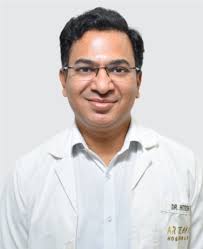
Dr. Hitesh Garg
Cirurgia da Coluna
Artemis Hospital, Gurugram
O Dr. Hitesh Garg, um dos principais cirurgiões de coluna em Gurugram, com mais de 20 anos de experiência, destaca-se em cirurgias minimamente invasivas e robóticas no Artemis Hospital.
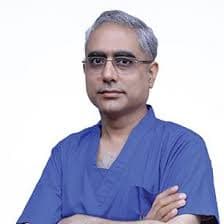
Dr. Manoj Miglani
Cirurgia da Coluna
Hospital Fortis, Vasant Kunj, Nova Deli
O Dr. Manoj Miglani, um dos principais cirurgiões de coluna com mais de 26 anos de experiência, destaca-se em cirurgias minimamente invasivas no Fortis Hospital, Vasant Kunj.
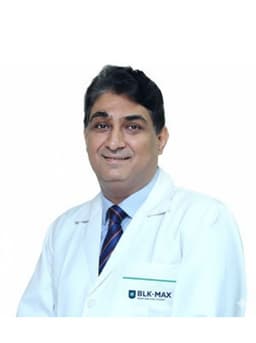
Dr. Puneet Girdhar
Cirurgia da Coluna
BLK-Max Super Speciality Hospital, Nova Deli
O Dr. Puneet Girdhar é um dos principais cirurgiões de coluna robótica em Deli, com mais de 27 anos de experiência e mais de 15.000 cirurgias da coluna realizadas. Especialista em cirurgia minimamente invasiva e complexa da coluna no BLK-Max Hospital.

Dr. Ashish Dagar
Cirurgia da Coluna
Manipal Hospital Gurugram
O Dr. Ashish Dagar é um cirurgião ortopédico da coluna com formação em fellowship no Manipal Hospital Gurugram, com mais de 15 anos de experiência. Especialista em cirurgia minimamente invasiva e endoscópica da coluna, correção de escoliose e fusões cervicais/lombares.
Resultados Esperados e o Que o Sucesso Significa
Cronograma de Recuperação e Acompanhamento
A aptidão para voar e os limites de atividade são específicos de cada centro.
Com Que Rapidez Posso Começar?
Segunda Opinião
12–48 hours
Normalmente recebida após o compartilhamento de relatórios médicos.
Agendamento
Variável
Depende da disponibilidade do hospital e da prioridade clínica.
Custos e o Que Afeta Seu Orçamento
Esta página fornece uma visão geral dos custos típicos e fatores influenciadores. Um orçamento personalizado é compartilhado após uma revisão médica dos seus relatórios — entre em contato conosco para solicitar seu orçamento individual.
Como a VRH Healthcare Ajuda
A VRH Healthcare não é um hospital. Atuamos como seu parceiro de facilitação médica e navegação do paciente, ajudando você a tomar decisões informadas e a progredir sem problemas no tratamento na Índia.
Serviços para Pacientes Internacionais
Sua Jornada de Tratamento com a VRH
Um guia simplificado passo a passo para sua experiência de tratamento.
Compartilhe relatórios médicos
Receba uma segunda opinião especializada e um orçamento indicativo
Planeje viagem, visto e consultas
Tratamento com coordenação no local
Alta e acompanhamentos contínuos por teleconsulta
Compartilhe relatórios médicos
Receba uma segunda opinião especializada e um orçamento indicativo
Planeje viagem, visto e consultas
Tratamento com coordenação no local
Alta e acompanhamentos contínuos por teleconsulta
Onde Atendemos: Países Que Apoiamos
Oriente Médio
Suporte linguístico, assistência com visto e planejamento coordenado de cuidados para cirurgia da coluna cervical.
África
Suporte para revisão de diagnósticos, planejamento de viagem e acompanhamento pós-tratamento.
Ásia Central e CEI
Serviços de interpretação e coordenação hospitalar para cuidados cirúrgicos.
Sul da Ásia
Acesso rápido a opiniões, agendamento e continuidade do cuidado.
Reino Unido e EUA
Segundas opiniões, planejamento sensível a custos e acompanhamentos por teleconsulta pós-retorno.
Outros Países
Suporte personalizado com base nas necessidades individuais de viagem e cuidado.