
Retinal Surgery in India: Advanced Treatment to Restore and Protect Vision
Access expert care for retinal detachment, diabetic retinopathy, and macular disorders with leading vitreoretinal surgeons in India. VRH Healthcare supports international patients with end-to-end coordination.
Verified Hospitals
JCI & NABH Accredited Centres only.
Zero Wait Time
Priority appointments for international patients.
Understanding Retinal Surgery in India
Retinal surgery includes advanced microsurgical procedures used to treat serious eye conditions affecting the retina, the light-sensitive layer at the back of the eye responsible for vision.
These procedures are commonly performed for retinal detachment, diabetic retinopathy, macular holes, epiretinal membranes, and vitreous hemorrhage.
The most common retinal surgery is vitrectomy, where the vitreous gel is removed to allow precise repair of the retina using laser, gas, or silicone oil.
In India, retinal surgeries are performed using modern technologies such as high-resolution imaging (OCT), minimally invasive vitrectomy systems, and advanced laser techniques.
Patients benefit from experienced vitreoretinal specialists, shorter waiting times, and significantly lower treatment costs compared to countries like the United States and the United Kingdom.
VRH Healthcare acts as an independent medical facilitator, helping international patients access expert ophthalmology opinions, compare hospitals, and plan retinal treatment in India.
Types / Variants of Retinal Surgery in India
Vitrectomy
Removes vitreous gel to access and repair the retina for various conditions.
Scleral Buckle
A silicone band placed on the eye's exterior to reattach a detached retina.
Laser Photocoagulation
Uses laser to seal retinal tears or treat abnormal blood vessels.
Pneumatic Retinopexy
Gas bubble injected into the eye to push a detached retina back.
Macular Hole Surgery
Repairs a hole in the macula, often involving vitrectomy and gas/oil.
Epiretinal Membrane Peel
Removes a thin, scar-like membrane from the retina's surface.
Your surgeon explains why a particular approach is recommended for you.
Technology & Techniques
In India, Retinal Surgery may be performed using:
Benefits
- Potential for significant vision improvement or preservation.
- Effective treatment for sight-threatening retinal conditions.
- Reduces risk of permanent vision loss or blindness.
- Minimally invasive options available for certain conditions.
- Access to highly experienced vitreoretinal surgeons in India.
Limitations
- Vision recovery can be gradual and may not be complete.
- Risk of complications like infection, bleeding, or re-detachment.
- Requires strict post-operative positioning and care.
- May necessitate further procedures or long-term follow-up.
- Outcomes vary significantly based on the underlying condition's severity.
Diagnostics & Pre-Arrival Work-Up
Pre-Arrival & Travel Checklist
How the Procedure is Done (Step-by-Step)
Anaesthesia & Preparation
Local or general anaesthesia is administered. The eye area is sterilised, and a speculum holds the eyelids open for access.
Incision & Vitrectomy (if applicable)
Tiny incisions are made in the sclera. A vitrectomy instrument removes the vitreous gel, providing clear access to the retina.
Retinal Repair
The surgeon uses micro-instruments to reattach the retina, remove membranes, or seal tears with laser or cryotherapy.
Fluid-Air/Gas/Oil Exchange
The eye is filled with a gas bubble, silicone oil, or saline to hold the retina in place while it heals.
Closure & Dressing
Incisions are closed, often self-sealing. An antibiotic ointment and protective patch are applied to the eye.
Top Specialists for Ophthalmology

Dr. Anita Sethi
Ophthalmology
Max Super Speciality Hospital, Saket, New Delhi
Dr. Anita Sethi, top ophthalmologist in Delhi with 35+ years, specializes in Lasik, cataract, and oculoplastic surgeries at Max Multi Speciality Centre.
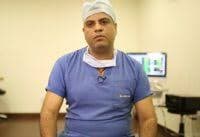
Dr. Suraj Munjal
Ophthalmology
The Sight Avenue, New Delhi
Dr. Suraj Munjal, leading Delhi ophthalmologist with 20+ years, excels in LASIK, cataract, and corneal transplants at The Sight Avenue.

Dr. Parul Maheshwari Sharma
Ophthalmology
Fortis Memorial Research Institute, Gurugram
Dr. Parul Sharma, top Gurugram ophthalmologist with 25+ years, excels in Lasik, cataract, and glaucoma care at FMRI.
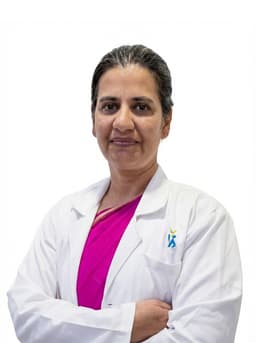
Dr. Uma Mallaiah
Ophthalmology
Indraprastha Apollo Hospital, New Delhi
Dr. Uma Mallaiah is a senior ophthalmologist at Apollo Delhi with 23+ years experience in cataract, glaucoma, LASIK and oculoplasty eye surgery.
Expected Outcomes & What Success Means
Recovery & Follow-Up Timeline
Fitness to fly and activity limits are centre-specific.
How Quickly Can I Start?
Second Opinion
12-48 hours
Typically received after sharing medical reports.
Scheduling
1-2 working days
Depending upon the availability of the specialist
Visa & Travel
1-3 weeks
Processing time for medical visa and travel arrangements.
Pre-Surgery Evaluation
2-3 days in India
Comprehensive check-ups and consultations upon arrival.
Costs & What Affects Your Estimate
This page provides an overview of typical costs and influencing factors. A personalised cost estimate is shared after a medical review of your reports—please contact us to request your individual estimate.
How VRH Healthcare Helps
VRH Healthcare is not a hospital. We act as your medical facilitation and patient-navigation partner, helping you make informed decisions and move smoothly through care in India.
International Patient Services
Your Care Journey with VRH
A simplified step-by-step guide to your treatment experience.
Share medical reports
Receive an expert second opinion and indicative estimate
Plan travel, visa, and appointments
Treatment with on-ground coordination
Discharge and ongoing tele-follow-ups
Share medical reports
Receive an expert second opinion and indicative estimate
Plan travel, visa, and appointments
Treatment with on-ground coordination
Discharge and ongoing tele-follow-ups
Where We Serve: Countries We Support
Middle East
Language support, visa assistance, and coordinated care planning for retinal surgery.
Africa
Support for diagnostics review, travel planning, and post-treatment follow-up.
Central Asia & CIS
Interpretation services and hospital coordination for surgical care.
South Asia
Quick access to opinions, scheduling, and continuity of care.
U.K. & USA
Second opinions, cost-sensitive planning, and post-return tele-follow-ups.
Other Countries
Customised support based on individual travel and care needs.