
Oculoplastic Surgery in India for Eyelid, Tear Duct & Orbital Conditions
VRH Healthcare helps international patients access experienced oculoplastic surgeons and accredited ophthalmology centres in India for eyelid reconstruction, tear duct surgery, and orbital procedures with transparent treatment cost guidance.
Verified Hospitals
JCI & NABH Accredited Centres only.
Zero Wait Time
Priority appointments for international patients.
Understanding Oculoplastic Surgery in India
Oculoplastic surgery in India is a specialised branch of ophthalmology that focuses on surgical treatment of conditions affecting the eyelids, tear drainage system, orbit (eye socket), and surrounding facial structures. These procedures combine the precision of eye surgery with reconstructive and aesthetic plastic surgery techniques to restore both eye function and appearance.
Common conditions treated with oculoplastic surgery include drooping eyelids (ptosis), eyelid malposition such as ectropion or entropion, tear duct blockages causing excessive tearing, eyelid tumours, and orbital masses within the eye socket. Procedures may also include functional or cosmetic eyelid surgery such as blepharoplasty, as well as reconstructive surgery after trauma or tumour removal.
Diagnosis and treatment planning typically involve a detailed ophthalmic examination along with imaging studies such as CT scans or MRI of the orbit. These investigations help surgeons determine the most appropriate surgical technique to restore eyelid function, tear drainage, and eye protection.
India has become a preferred destination for international patients seeking oculoplastic procedures due to experienced ophthalmic plastic surgeons, advanced surgical facilities, and significantly lower treatment costs compared with many countries in the United States, United Kingdom, Europe, and the Middle East.
VRH Healthcare is not a hospital. We act as an independent medical facilitator that helps international patients obtain expert ophthalmology opinions, compare accredited hospitals and surgeons, review medical reports, and receive transparent cost guidance before travelling to India for treatment.
Types / Variants of Oculoplastic Surgery
Blepharoplasty (Eyelid Lift)
Removes excess skin, fat, or muscle from upper or lower eyelids for functional or aesthetic improvement.
Ptosis Repair
Corrects droopy upper eyelids that may obstruct vision or cause an asymmetrical appearance.
Dacryocystorhinostomy (DCR)
Creates a new tear drainage pathway to relieve blockages causing excessive tearing and infections.
Ectropion/Entropion Repair
Corrects eyelids that turn outwards (ectropion) or inwards (entropion), preventing irritation and protecting the eye.
Orbital Tumour Excision
Surgical removal of benign or malignant growths within the eye socket, preserving vision and eye function.
Eyelid Reconstruction
Repairs eyelid defects caused by trauma, tumour removal, or congenital conditions, restoring form and function.
Your surgeon explains why a particular approach is recommended for you.
Advanced Technology & Techniques Used in Oculoplastic Surgery
In India, Oculoplastic Surgery may be performed using:
Benefits
- Improved vision by removing obstructing eyelid tissue.
- Enhanced comfort by correcting eyelid malpositions or tear duct issues.
- Significant aesthetic improvement, leading to a more youthful and alert appearance.
- Relief from chronic tearing, irritation, or recurrent infections.
- Restoration of normal eyelid function and protection for the eye.
- Removal of potentially harmful orbital tumours or lesions.
Limitations
- Recovery period involving swelling, bruising, and temporary discomfort.
- Potential for temporary vision changes or dry eyes post-surgery.
- Risk of complications such as infection, bleeding, or scarring.
- Outcomes may vary based on individual healing and the complexity of the condition.
- Aesthetic results are generally good but may not always meet all expectations.
- Some procedures may require revision surgery in the future.
Diagnostics & Pre-Arrival Work-Up
Pre-Arrival & Travel Checklist
How the Procedure is Done (Step-by-Step)
Pre-operative Consultation & Planning
The surgeon reviews your medical history, performs a detailed eye examination, and discusses the specific surgical plan, including expected outcomes and potential risks.
Anaesthesia Administration
Depending on the procedure, local anaesthesia with sedation or general anaesthesia is administered to ensure comfort and pain-free surgery.
Surgical Incision & Correction
Precise incisions are made, often hidden within natural skin folds. The surgeon then removes excess tissue, repositions muscles, or reconstructs structures as planned.
Closure & Dressing
Incisions are carefully closed with fine sutures. A sterile dressing or ointment may be applied to protect the surgical site and aid healing.
Post-operative Monitoring
You will be monitored in a recovery area as the anaesthesia wears off. Instructions for post-operative care, medications, and follow-up appointments will be provided.
Top Specialists for Ophthalmology
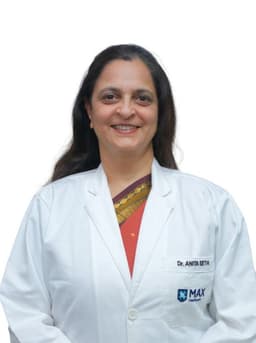
Dr. Anita Sethi
Ophthalmology
Max Super Speciality Hospital, Saket, New Delhi
Dr. Anita Sethi, top ophthalmologist in Delhi with 35+ years, specializes in Lasik, cataract, and oculoplastic surgeries at Max Multi Speciality Centre.
Dr. Suraj Munjal
Ophthalmology
The Sight Avenue, New Delhi
Dr. Suraj Munjal, leading Delhi ophthalmologist with 20+ years, excels in LASIK, cataract, and corneal transplants at The Sight Avenue.

Dr. Parul Maheshwari Sharma
Ophthalmology
Fortis Memorial Research Institute, Gurugram
Dr. Parul Sharma, top Gurugram ophthalmologist with 25+ years, excels in Lasik, cataract, and glaucoma care at FMRI.
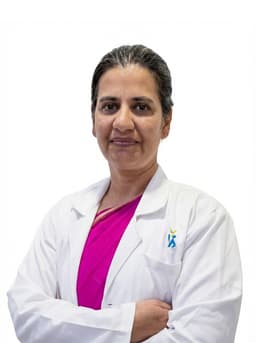
Dr. Uma Mallaiah
Ophthalmology
Indraprastha Apollo Hospital, New Delhi
Dr. Uma Mallaiah is a senior ophthalmologist at Apollo Delhi with 23+ years experience in cataract, glaucoma, LASIK and oculoplasty eye surgery.
Expected Outcomes & What Success Means
Recovery & Follow-Up Timeline
Fitness to fly and activity limits are centre-specific.
How Quickly Can I Start?
Second Opinion
12-48 hours
Typically received after sharing medical reports.
Scheduling
1-2 working days
Depending upon the availability of the specialist
Visa Invitation Letter (VIL)
1-2 working days
issued promptly to support your medical visa application.
Costs & What Affects Your Estimate
This page provides an overview of typical costs and influencing factors. A personalised cost estimate is shared after a medical review of your reports—please contact us to request your individual estimate.
How VRH Healthcare Helps
VRH Healthcare is not a hospital. We act as your medical facilitation and patient-navigation partner, helping you make informed decisions and move smoothly through care in India.
International Patient Services
Your Care Journey with VRH
A simplified step-by-step guide to your treatment experience.
Share medical reports
Receive an expert second opinion and indicative estimate
Plan travel, visa, and appointments
Treatment with on-ground coordination
Discharge and ongoing tele-follow-ups
Share medical reports
Receive an expert second opinion and indicative estimate
Plan travel, visa, and appointments
Treatment with on-ground coordination
Discharge and ongoing tele-follow-ups
Where We Serve: Countries We Support
Middle East
Language support, visa assistance, and coordinated care planning for oculoplastic surgery.
Africa
Support for diagnostics review, travel planning, and post-treatment follow-up.
Central Asia & CIS
Interpretation services and hospital coordination for surgical care.
South Asia
Quick access to opinions, scheduling, and continuity of care.
U.K. & USA
Second opinions, cost-sensitive planning, and post-return tele-follow-ups.
Other Countries
Customised support based on individual travel and care needs.