
Glaucoma Treatment in India to Control Eye Pressure and Prevent Vision Loss
Access medical, laser, and surgical glaucoma treatment from experienced ophthalmologists in India, with full coordination by VRH Healthcare.
Verified Hospitals
JCI & NABH Accredited Centres only.
Zero Wait Time
Priority appointments for international patients.
Understanding Glaucoma Treatment in India
Glaucoma is a chronic eye condition that causes progressive damage to the optic nerve, most commonly due to increased intraocular pressure (IOP). If not diagnosed and managed early, glaucoma can lead to permanent vision loss and blindness. Glaucoma treatment in India focuses on early detection, accurate pressure control, and long-term monitoring to preserve remaining vision and slow disease progression. Treatment options include medicated eye drops to reduce eye pressure, advanced laser procedures such as Selective Laser Trabeculoplasty (SLT), and surgical interventions including trabeculectomy or minimally invasive glaucoma surgery (MIGS), depending on the type and severity of glaucoma. VRH Healthcare supports international patients in accessing experienced glaucoma specialists and advanced eye care centres across India, ensuring personalised treatment planning, safe coordination of care, and structured follow-up support.
Types / Variants of Glaucoma Treatment in India
The choice of glaucoma treatment depends on the type of glaucoma (open-angle, angle-closure, or secondary), severity of optic nerve damage, and response to previous therapy.
Medical Therapy (Eye Drops)
Daily eye drops to reduce intraocular pressure by decreasing fluid production or increasing drainage.
Laser Treatment
Minimally invasive procedures like SLT or ALT to improve fluid drainage from the eye.
Conventional Glaucoma Surgery
Procedures such as trabeculectomy to create a new drainage pathway for eye fluid.
Minimally Invasive Glaucoma Surgery (MIGS)
Smaller, less invasive surgical options for mild to moderate glaucoma, often combined with cataract surgery.
Cyclophotocoagulation
Laser treatment to reduce fluid production in the eye, typically for advanced or refractory cases.
Your surgeon explains why a particular approach is recommended for you.
Advanced Technology Used for Glaucoma Treatment in India
In India, Glaucoma Treatment may be performed using:
Benefits
- Vision Preservation: The primary benefit is to preserve your existing vision and prevent further, irreversible loss due to optic nerve damage.
- Effective Pressure Control: Treatment effectively controls intraocular pressure, which is crucial in mitigating the progression of glaucoma.
- Enhanced Quality of Life: By maintaining functional vision, treatment significantly improves your ability to perform daily activities and enjoy life.
- Reduced Medication Burden: For some patients, successful laser or surgical intervention can reduce the daily reliance on multiple eye drops.
- Access to Advanced Care: India offers access to cutting-edge diagnostic tools and a wide range of advanced treatment modalities.
Limitations
- Irreversible Damage: Glaucoma damage is often irreversible; treatment aims to prevent progression, not restore vision already lost.
- Lifelong Management: Glaucoma typically requires lifelong monitoring and potential adjustments to treatment plans over time.
- Potential Side Effects: Medications, laser, or surgery can have side effects such as infection, bleeding, inflammation, or temporary vision changes.
- Variable Success Rates: Outcomes vary based on the specific type and severity of glaucoma, as well as individual patient response to therapy.
- Multiple Interventions: Some patients may require multiple treatments or procedures over their lifetime to maintain adequate pressure control.
Diagnostics & Pre-Arrival Work-Up
Pre-Arrival & Travel Checklist
How the Procedure is Done (Step-by-Step)
Initial Consultation & Diagnosis
Comprehensive eye examination, pressure measurement, and advanced imaging confirm glaucoma type and severity.
Treatment Planning
Based on diagnosis, an individualised treatment plan is developed, which may include medication, laser, or surgery.
Medical Therapy Initiation
If eye drops are prescribed, patients learn proper administration and monitor pressure response.
Laser Procedure (if indicated)
Outpatient laser treatment (e.g., SLT, YAG PI) is performed to improve fluid drainage or create new pathways.
Surgical Intervention (if indicated)
Procedures like trabeculectomy or MIGS are performed to create or enhance fluid outflow from the eye.
Post-Procedure Care
Patients receive detailed instructions for eye care, medication, and follow-up appointments to ensure healing and pressure control.
Long-Term Monitoring
Regular check-ups are essential to monitor intraocular pressure, optic nerve health, and visual fields for life.
Top Specialists for Ophthalmology

Dr. Anita Sethi
Ophthalmology
Max Super Speciality Hospital, Saket, New Delhi
Dr. Anita Sethi, top ophthalmologist in Delhi with 35+ years, specializes in Lasik, cataract, and oculoplastic surgeries at Max Multi Speciality Centre.
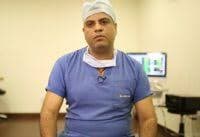
Dr. Suraj Munjal
Ophthalmology
The Sight Avenue, New Delhi
Dr. Suraj Munjal, leading Delhi ophthalmologist with 20+ years, excels in LASIK, cataract, and corneal transplants at The Sight Avenue.

Dr. Parul Maheshwari Sharma
Ophthalmology
Fortis Memorial Research Institute, Gurugram
Dr. Parul Sharma, top Gurugram ophthalmologist with 25+ years, excels in Lasik, cataract, and glaucoma care at FMRI.

Dr. Uma Mallaiah
Ophthalmology
Indraprastha Apollo Hospital, New Delhi
Dr. Uma Mallaiah is a senior ophthalmologist at Apollo Delhi with 23+ years experience in cataract, glaucoma, LASIK and oculoplasty eye surgery.
Expected Outcomes & What Success Means
Recovery & Follow-Up Timeline
Fitness to fly and activity limits are centre-specific.
How Quickly Can I Start?
Second Opinion
12-48 hours
Typically received after sharing medical reports.
Scheduling
1-2 working days
Depending upon the availability of the specialist
Visa Invitation Letter (VIL)
1-2 working days
issued promptly to support your medical visa application.
Cost of Glaucoma Treatment in India
This page provides an overview of typical costs and influencing factors. A personalised cost estimate is shared after a medical review of your reports—please contact us to request your individual estimate.
How VRH Healthcare Helps
VRH Healthcare is not a hospital. We act as your medical facilitation and patient-navigation partner, helping you make informed decisions and move smoothly through care in India.
International Patient Services
Your Care Journey with VRH
A simplified step-by-step guide to your treatment experience.
Share medical reports
Receive an expert second opinion and indicative estimate
Plan travel, visa, and appointments
Treatment with on-ground coordination
Discharge and ongoing tele-follow-ups
Share medical reports
Receive an expert second opinion and indicative estimate
Plan travel, visa, and appointments
Treatment with on-ground coordination
Discharge and ongoing tele-follow-ups
Where We Serve: Countries We Support
Middle East
Language support, visa assistance, and coordinated care planning for glaucoma treatment.
Africa
Support for diagnostics review, travel planning, and post-treatment follow-up.
Central Asia & CIS
Interpretation services and hospital coordination for surgical care.
South Asia
Quick access to opinions, scheduling, and continuity of care.
U.K. & USA
Second opinions, cost-sensitive planning, and post-return tele-follow-ups.
Other Countries
Customised support based on individual travel and care needs.