
Arthroscopy Surgery in India for Knee, Shoulder & Joint Problems
VRH Healthcare helps international patients access expert orthopedic surgeons and advanced hospitals in India for safe, minimally invasive arthroscopy surgery.
Verified Hospitals
JCI & NABH Accredited Centres only.
Zero Wait Time
Priority appointments for international patients.
Understanding Arthroscopy Surgery in India
Arthroscopy is a sophisticated, minimally invasive surgical procedure used to diagnose and treat a wide range of problems inside a joint. Instead of large incisions, a surgeon makes small cuts to insert a thin tube equipped with a camera (arthroscope). This allows for a clear, magnified view of the joint's interior on a monitor, enabling precise identification and repair of issues like cartilage damage, ligament tears, or inflammation. This technique typically results in less pain, reduced scarring, and a faster recovery compared to traditional open surgery. VRH Healthcare facilitates access to India's top orthopedic centres for this advanced procedure.
Types of Arthroscopy Surgery in India
Arthroscopy can be performed on various joints, each tailored to the specific anatomical needs and condition. Common types include:
Knee Arthroscopy
Diagnoses and treats meniscal tears, ligament injuries (ACL/PCL), and cartilage damage in the knee.
Shoulder Arthroscopy
Addresses rotator cuff tears, impingement syndrome, labral tears, and instability in the shoulder joint.
Hip Arthroscopy
Manages femoroacetabular impingement (FAI), labral tears, and other complex hip joint issues.
Ankle Arthroscopy
Treats ankle impingement, cartilage lesions, loose bodies, and chronic pain within the ankle joint.
Wrist Arthroscopy
Used for diagnosing and treating wrist pain, ligament tears, ganglion cysts, and carpal tunnel syndrome.
Your surgeon explains why a particular approach is recommended for you.
Technology & Techniques
Modern arthroscopy in India leverages advanced technology to ensure precision and optimal outcomes. Arthroscopy Surgery in India may be performed using:
Benefits
- Minimally invasive approach with smaller incisions, leading to less scarring.
- Reduced post-operative pain and discomfort compared to open surgery.
- Faster recovery times and quicker return to daily activities and work.
- Lower risk of infection due to the closed nature of the procedure.
- Precise diagnosis and targeted treatment of specific joint pathologies.
- Shorter hospital stays, often as an outpatient or overnight procedure.
- Improved cosmetic outcome due to smaller incisions.
Limitations
- Not suitable for all complex joint conditions or severe arthritis.
- Requires highly specialised surgical skills and advanced equipment.
- Potential for nerve or blood vessel damage, though rare.
- Risk of joint stiffness, swelling, or fluid leakage post-procedure.
- Recovery still requires dedicated physiotherapy and rehabilitation.
- Limited visibility in cases of extensive joint inflammation or scarring.
Diagnostics & Pre-Arrival Work-Up
Pre-Arrival & Travel Checklist
How the Procedure is Done (Step-by-Step)
Anaesthesia Administration
You will receive general or regional anaesthesia to ensure you are comfortable and pain-free throughout the entire surgical procedure.
Small Incisions (Portals)
The surgeon makes tiny incisions, typically less than a centimetre, around the affected joint to create access points for instruments.
Arthroscope Insertion
A thin tube with a camera (arthroscope) is carefully inserted through one incision, transmitting live images to a high-definition monitor.
Joint Distension
Sterile fluid is gently pumped into the joint space to expand it, providing the surgeon with a clearer and unobstructed view.
Diagnosis and Repair
Specialised surgical instruments are inserted through other small incisions to diagnose the problem and perform necessary repairs or tissue removal.
Closure and Dressing
Once the procedure is complete, the instruments are removed, and the small incisions are closed with stitches or sterile adhesive strips, then dressed.
Top Specialists for Orthopedics
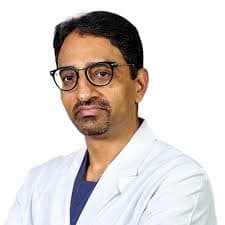
Dr. Subhash Jangid
Orthopedics
Fortis Memorial Research Institute, Gurugram
Dr. Subhash Jangid, top Gurugram orthopedic surgeon with 25+ years, specializes in robotic joint replacements and knee replacements at FMRI.
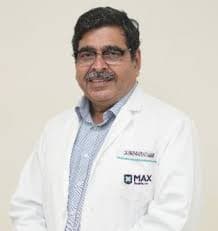
Dr. Harshavardhan Hegde
Orthopedics
Max Super Speciality Hospital, Saket, New Delhi
Dr. Harshavardhan Hegde, top Delhi orthopedic surgeon with 39+ years, excels in joint replacements & spine surgeries at Max Saket.
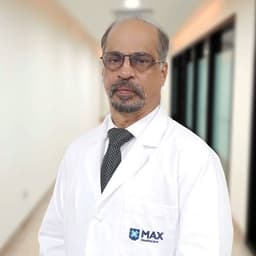
Dr. B.S. Murthy
Orthopedics
Max Super Speciality Hospital, Noida
Dr. B.S. Murthy, top Delhi-NCR orthopedic surgeon with 40+ years, excels in joint replacements at Max.
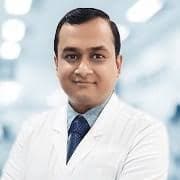
Dr. Ratnav Ratan
Orthopedics
Manipal Hospital, Dwarka, Delhi
Dr. Ratnav Ratan, leading pediatric orthopedic surgeon at Manipal Hospital Dwarka, specializes in clubfoot, hip dysplasia, limb deformity, and pediatric sports injuries.
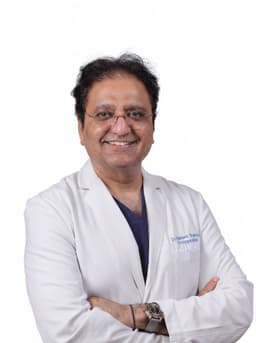
Dr. Hemant Sharma
Orthopedics
Artemis Hospital, Gurugram
Dr. Hemant Sharma is a UK-trained orthopedic surgeon with 30+ years of experience in robotic hip & knee replacement and revision surgery, currently practicing at Artemis Hospital, Gurugram.
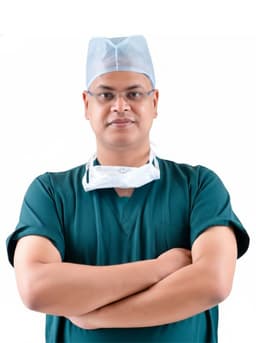
Dr. Ramkinkar Jha
Orthopedics
CK Birla Hospital, Gurugram
Dr. Ramkinkar Jha is an AIIMS-trained orthopedic surgeon with 24+ years of experience, specializing in robotic knee and hip replacement, complex trauma, and sports injuries at CK Birla Hospital (Gurugram & Delhi).
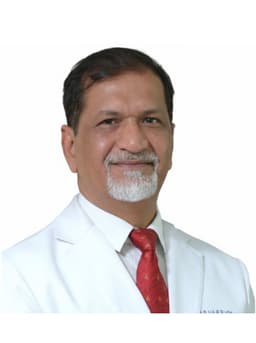
Dr. Rajesh Kumar Verma
Orthopedics
SHALBY Sanar International Hospitals, Gurugram
Dr. Rajesh Kumar Verma is a senior orthopedic and spine surgeon in Gurgaon with 28+ years of experience. Expert in robotic joint replacement, endoscopic spine surgery, and motion preservation.
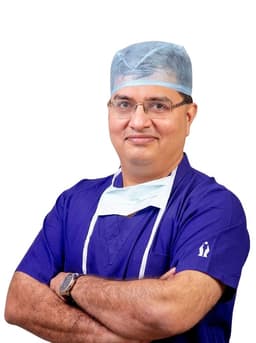
Dr. Manoj Padman
Orthopedics
Fortis Memorial Research Institute, Gurugram
Dr. Manoj Padman is a leading paediatric orthopaedic surgeon with 26+ years of experience. Expert in limb reconstruction, deformity correction, cerebral palsy surgery, and pediatric hip disorders at FMRI Gurugram.
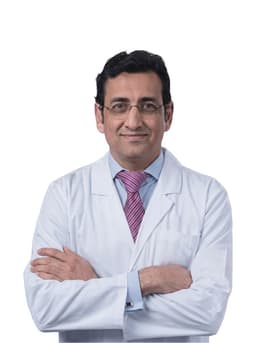
Dr. Rajeev Verma
Orthopedics
Manipal Hospital Dwarka, New Delhi
Dr Rajeev Verma is Chairman of Bone & Joints at Manipal Dwarka with 20+ years' experience in robotic knee, hip replacement and sports injury surgery.

Dr. Yash Gulati
Orthopedics
Indraprastha Apollo Hospital, New Delhi
Dr. Yash Gulati is a Padma Shri orthopaedic surgeon at Apollo Delhi with 35+ years’ experience in joint replacement and minimally invasive spine surgery.

Dr. Ishwar Bohra
Orthopedics
BLK-Max Super Speciality Hospital, New Delhi
Dr. Ishwar Bohra is Senior Director of Joint Replacement at BLK-Max Delhi with 23+ years’ experience in robotic knee, hip and revision surgery.
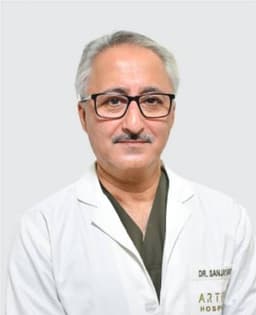
Dr. Sanjay Sarup
Orthopedics
Artemis Hospital, Gurugram
Dr Sanjay Sarup is Chief of Paediatric Orthopaedics & Spine Surgery at Artemis Gurugram with 24+ years’ experience in scoliosis and limb deformity.
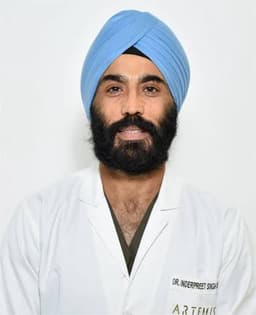
Dr. I. P. S. Oberoi
Orthopedics
Artemis Hospital, Gurugram, Haryana, India
Dr IPS Oberoi is an orthopaedic surgeon at Artemis Gurugram with 32+ years’ experience in robotic joint replacement, arthroscopy and sports injuries.
Expected Outcomes & What Success Means
Recovery & Follow-Up Timeline
Fitness to fly and activity limits are centre-specific.
How Quickly Can I Start?
Second Opinion
12–48 hours
Typically received after sharing your comprehensive medical reports with our team for expert review.
Scheduling
1-2 working days
Depending upon the availability of the specialist
Travel & Visa
1-3 weeks
Time required for medical visa processing and making necessary travel arrangements to India.
Cost of Arthroscopy Surgery in India
This page provides an overview of typical costs and influencing factors. A personalised cost estimate is shared after a medical review of your reports—please contact us to request your individual estimate.
How VRH Healthcare Helps
VRH Healthcare is not a hospital. We act as your medical facilitation and patient-navigation partner, helping you make informed decisions and move smoothly through care in India. Our comprehensive support includes:
International Patient Services
Your Care Journey with VRH
Embark on a clear and supported path to recovery. Here's a simplified step-by-step guide to your treatment experience with VRH Healthcare:
Share medical reports for initial assessment and expert review
Receive an expert second opinion and a transparent indicative cost estimate
Plan travel logistics, secure your medical visa, and confirm appointments
Undergo treatment in India with dedicated on-ground coordination and support
Experience a smooth discharge process and benefit from ongoing tele-follow-ups
Share medical reports for initial assessment and expert review
Receive an expert second opinion and a transparent indicative cost estimate
Plan travel logistics, secure your medical visa, and confirm appointments
Undergo treatment in India with dedicated on-ground coordination and support
Experience a smooth discharge process and benefit from ongoing tele-follow-ups
Where We Serve: Countries We Support
Middle East
Language support, visa assistance, and coordinated care planning for arthroscopy surgery.
Africa
Support for diagnostics review, travel planning, and post-treatment follow-up.
Central Asia & CIS
Interpretation services and hospital coordination for surgical care.
South Asia
Quick access to opinions, scheduling, and continuity of care.
U.K. & USA
Second opinions, cost-sensitive planning, and post-return tele-follow-ups.
Other Countries
Customised support based on individual travel and care needs.