
Pediatric Ophthalmology in India for Children’s Eye Care and Pediatric Eye Surgery
VRH Healthcare helps international families connect with experienced pediatric ophthalmologists in India for diagnosis and treatment of childhood eye conditions including squint, amblyopia, congenital cataracts, and other pediatric vision disorders.
Verified Hospitals
JCI & NABH Accredited Centres only.
Zero Wait Time
Priority appointments for international patients.
Understanding Pediatric Ophthalmology in India
Pediatric ophthalmology in India focuses on the diagnosis and treatment of eye conditions affecting infants, children, and adolescents. Pediatric ophthalmologists are specially trained eye specialists who manage childhood vision disorders, eye alignment problems, congenital eye diseases, and visual development issues.
Common conditions treated by pediatric ophthalmologists include squint (strabismus), amblyopia (lazy eye), congenital cataracts, childhood glaucoma, refractive errors, and retinopathy of prematurity. Early detection and treatment are essential because many childhood eye conditions can permanently affect vision if not treated during early developmental stages.
Diagnosis often involves specialised eye examinations designed for children, including visual acuity testing, cycloplegic refraction, ocular alignment evaluation, retinal examination, and advanced imaging such as OCT or ultrasound when required.
Treatment options vary depending on the condition and may include corrective glasses, patching therapy for amblyopia, medication, laser treatment, or pediatric eye surgery for conditions such as squint or congenital cataracts.
India has become an increasingly preferred destination for international families seeking pediatric eye treatment due to experienced pediatric ophthalmologists, advanced ophthalmology hospitals, and significantly lower treatment costs compared with the United States, United Kingdom, and many European countries.
VRH Healthcare is not a hospital. We act as an independent medical facilitator that helps international patients obtain expert pediatric ophthalmology opinions, compare accredited hospitals and child eye specialists, review medical reports, and receive transparent treatment guidance before travelling to India.
Types / Variants of Pediatric Ophthalmology
Squint (Strabismus) Correction
Surgical or non-surgical methods to align misaligned eyes, improving vision and appearance.
Amblyopia (Lazy Eye) Treatment
Therapies like patching or atropine drops to strengthen a weaker eye and improve visual acuity.
Congenital Cataract Surgery
Removal of cloudy lenses present at birth, followed by lens implantation or contact lens correction.
Retinopathy of Prematurity (ROP) Management
Screening and laser or injection treatments for premature babies to prevent vision loss.
Childhood Glaucoma Management
Medical or surgical interventions to control eye pressure and preserve optic nerve function in children.
Your surgeon explains why a particular approach is recommended for you.
Technology & Techniques
India's leading paediatric ophthalmology centres are equipped with state-of-the-art diagnostic and surgical technologies designed for precision and safety in treating young patients. These advanced tools allow for accurate diagnosis and effective treatment of even the most complex childhood eye conditions. In India, Pediatric Ophthalmology may be performed using:
Benefits
- Early Vision Preservation: Timely diagnosis and intervention can prevent irreversible vision loss and ensure proper visual development.
- Improved Learning & Development: Correcting vision problems allows children to engage better with education and social activities.
- Enhanced Quality of Life: Addressing eye conditions improves a child's comfort, confidence, and overall well-being.
- Access to Specialised Expertise: India offers highly trained paediatric ophthalmologists experienced in complex cases.
- Comprehensive Care Approach: Treatment plans often include medical, surgical, and rehabilitative strategies tailored for children.
Limitations
- Child Cooperation Challenges: Examinations and treatments often require patience and specific techniques due to a child's limited cooperation.
- Long-Term Commitment: Many paediatric eye conditions necessitate ongoing monitoring and adherence to treatment protocols for years.
- Potential for Anaesthesia Risks: While rare, general anaesthesia for surgery carries inherent risks, especially in very young children.
- Variable Treatment Outcomes: Success can depend on the condition's severity, age of onset, and consistency of follow-up care.
- Emotional Impact on Families: Managing a child's eye condition can be emotionally challenging for parents and caregivers.
Diagnostics & Pre-Arrival Work-Up
Pre-Arrival & Travel Checklist
How the Procedure is Done (Step-by-Step)
Initial Consultation & Comprehensive Examination
Your child will undergo a thorough eye examination by a paediatric ophthalmologist, utilising age-appropriate methods to assess vision, eye alignment, and overall ocular health. This may involve playful techniques to engage the child.
Diagnostic Testing & Condition Confirmation
Further specialised tests, such as cycloplegic refraction, ocular imaging (OCT, ultrasound), or electrophysiological studies, are performed to confirm the diagnosis and determine the exact nature and severity of the eye condition.
Personalised Treatment Plan Development
Based on the comprehensive assessment, a bespoke treatment plan is formulated. This plan could involve prescribing corrective glasses, initiating amblyopia therapy, or scheduling a surgical intervention.
Intervention (Medical or Surgical)
The recommended treatment is then carried out. This might range from non-invasive therapies like patching or medication to intricate eye surgeries, performed with utmost care under general anaesthesia.
Post-Treatment Care & Follow-up
Following the intervention, a crucial phase of recovery and regular follow-up begins. This ensures proper healing, monitors visual development, and allows for any necessary adjustments to the ongoing care plan.
Top Specialists for Ophthalmology
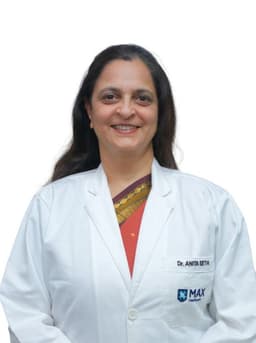
Dr. Anita Sethi
Ophthalmology
Max Super Speciality Hospital, Saket, New Delhi
Dr. Anita Sethi, top ophthalmologist in Delhi with 35+ years, specializes in Lasik, cataract, and oculoplastic surgeries at Max Multi Speciality Centre.
Dr. Suraj Munjal
Ophthalmology
The Sight Avenue, New Delhi
Dr. Suraj Munjal, leading Delhi ophthalmologist with 20+ years, excels in LASIK, cataract, and corneal transplants at The Sight Avenue.

Dr. Parul Maheshwari Sharma
Ophthalmology
Fortis Memorial Research Institute, Gurugram
Dr. Parul Sharma, top Gurugram ophthalmologist with 25+ years, excels in Lasik, cataract, and glaucoma care at FMRI.
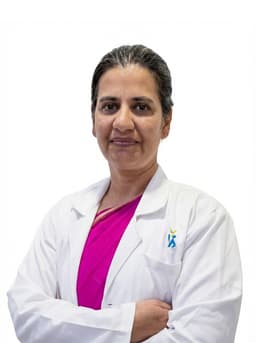
Dr. Uma Mallaiah
Ophthalmology
Indraprastha Apollo Hospital, New Delhi
Dr. Uma Mallaiah is a senior ophthalmologist at Apollo Delhi with 23+ years experience in cataract, glaucoma, LASIK and oculoplasty eye surgery.
Expected Outcomes & What Success Means
Recovery & Follow-Up Timeline
Fitness to fly and activity limits are centre-specific.
How Quickly Can I Start?
Second Opinion
12-48 hours
Typically received after sharing medical reports.
Scheduling
1-2 working days
Depending upon the availability of the specialist
Visa Invitation Letter (VIL)
1-2 working days
issued promptly to support your medical visa application.
Costs & What Affects Your Estimate
This page provides an overview of typical costs and influencing factors. A personalised cost estimate is shared after a medical review of your reports—please contact us to request your individual estimate.
How VRH Healthcare Helps
Navigating international medical treatment for your child can be complex. VRH Healthcare is not a hospital. We act as your dedicated medical facilitation and patient-navigation partner, committed to simplifying your journey to world-class paediatric eye care in India. We help you make informed decisions and move smoothly through every stage of your child's treatment.
International Patient Services
Your Care Journey with VRH
At VRH Healthcare, we streamline your child's medical journey to India, providing clarity and support from your initial enquiry to post-treatment follow-up. Our simplified step-by-step guide ensures a smooth and coordinated treatment experience for your family.
Share medical reports
Receive an expert second opinion and indicative estimate
Plan travel, visa, and appointments
Treatment with on-ground coordination
Discharge and ongoing tele-follow-ups
Share medical reports
Receive an expert second opinion and indicative estimate
Plan travel, visa, and appointments
Treatment with on-ground coordination
Discharge and ongoing tele-follow-ups
Where We Serve: Countries We Support
Middle East
Language support, visa assistance, and coordinated care planning for paediatric eye care.
Africa
Support for diagnostics review, travel planning, and post-treatment follow-up.
Central Asia & CIS
Interpretation services and hospital coordination for surgical care.
South Asia
Quick access to opinions, scheduling, and continuity of care.
U.K. & USA
Second opinions, cost-sensitive planning, and post-return tele-follow-ups.
Other Countries
Customised support based on individual travel and care needs.