
جراحة دمج الفقرات في الهند: أفضل الجرّاحين وغرسات ممتازة
وفّر ما يصل إلى 70% على جراحات العمود الفقري المعقدة. تبدأ الباقات من 5,500 دولار، وتشمل أدوات تثبيت من التيتانيوم معتمدة من إدارة الغذاء والدواء الأمريكية، وإقامة لمدة 5 إلى 7 أيام في المستشفى، ودعمًا مخصصًا للتأشيرة الطبية.
التكلفة التقديرية
$4,000 فما فوق
*تختلف التكاليف حسب المستشفى والمدينة وخبرة الجرّاح ودرجة الغرفة والفحوصات التي تُجرى قبل العملية.
مستشفيات معتمدة
مراكز معتمدة من JCI وNABH فقط.
بدون وقت انتظار
مواعيد ذات أولوية للمرضى الدوليين.
جراحة دمج الفقرات في الهند للمرضى الدوليين
يختار المرضى الدوليون الهند لإجراء دمج الفقرات للاستفادة من خبرات جرّاحي العمود الفقري ذوي المستوى العالمي وأدوات التثبيت الممتازة، مثل Medtronic وDePuy Synthes وStryker، بتكلفة تقل كثيرًا عن الدول الغربية. وبدلًا من مواجهة قوائم انتظار طويلة، تسهّل VRH Healthcare الحصول على مواعيد فورية وسريعة لعلاج حالات عدم استقرار العمود الفقري المعقدة والألم المزمن. وندير رحلتك العلاجية بالكامل التي تمتد من 3 إلى 4 أسابيع، بدءًا من تأمين خطاب دعوة التأشيرة (VIL) خلال 48 ساعة وحتى ترتيب إقامة لمدة 5 إلى 7 أيام في المستشفى مع استخدام تقنيات متقدمة للمراقبة العصبية أثناء الجراحة، تليها إعادة تأهيل موجهة في فندق مريح قريب.
أنواع جراحة دمج الفقرات
دمج الفقرات القطنية بين الأجسام من الخلف (PLIF)
يتم دمج الفقرات من الخلف باستخدام براغي وقضبان ممتازة من التيتانيوم وطعوم عظمية لتثبيت الجزء السفلي من العمود الفقري. تبدأ الباقات عادةً من 5,500 دولار.
دمج الفقرات القطنية بين الأجسام عبر الثقبة (TLIF)
نهج خلفي أحادي الجانب يسبب ضررًا أقل للعضلات، ويتميز بفعاليته العالية في تخفيف الضغط عن الأعصاب. تبدأ الباقات عادةً من 6,000 دولار.
استئصال القرص العنقي ودمج الفقرات من الأمام (ACDF)
دمج للفقرات في منطقة الرقبة (العمود الفقري العنقي) عبر نهج جراحي أمامي، ويُستخدم لعلاج آلام الرقبة الشديدة وتنميل الذراع. تبدأ الباقات عادةً من 5,000 دولار.
دمج الفقرات بين الأجسام من الجانب بتقنيات طفيفة التوغل (XLIF/OLIF)
تقنيات متقدمة طفيفة التوغل يتم فيها الوصول إلى العمود الفقري من جانب الجسم مع تجنب العضلات الرئيسية للظهر، مما يساعد على تعافٍ أسرع وألم أقل.
سيوصي جرّاح العمود الفقري بالنهج الأكثر أمانًا ونوع الغرسات المناسب بعد مراجعة صور الرنين المغناطيسي والأشعة السينية.
التقنيات والغرسات الممتازة المتاحة
تستخدم المستشفيات الشريكة لنا في الهند التقنيات الجراحية والغرسات نفسها المستخدمة في أفضل مراكز العمود الفقري في الولايات المتحدة والمملكة المتحدة:
الفوائد
- توفير في التكلفة بنسبة 60-70% مقارنة بالولايات المتحدة والمملكة المتحدة مع استخدام غرسات التيتانيوم نفسها المعتمدة من إدارة الغذاء والدواء الأمريكية.
- عدم وجود قوائم انتظار، مع إجراءات سريعة لخطاب دعوة التأشيرة الطبية (VIL) خلال 48 ساعة.
- باقات شاملة تتضمن النقل من وإلى المطار، والمترجمين، وشرائح الاتصال المحلية.
- إمكانية العلاج في مستشفيات معتمدة من اللجنة الدولية المشتركة (JCI) والمجلس الوطني لاعتماد المستشفيات ومقدمي خدمات الرعاية الصحية (NABH)، مع وحدات عناية مركزة مخصصة لجراحة العمود الفقري.
- استخدام المراقبة العصبية أثناء الجراحة (IONM) كبروتوكول قياسي للسلامة.
القيود
- تتطلب إقامة طويلة نسبيًا في الهند، عادةً ما بين 15 و21 يومًا إجمالًا للإقامة في المستشفى والتعافي في الفندق.
- يجب أن يحصل المرضى على تصريح طبي يؤكد اللياقة للسفر جوًا (Fit-to-Fly) قبل رحلة العودة إلى الوطن.
- تؤدي عمليات الدمج متعددة المستويات، التي تشمل دمج 3 فقرات أو أكثر، إلى زيادة التكلفة الإجمالية لأدوات التثبيت.
الفحوص والتقييم المطلوب قبل الوصول
قائمة الاستعداد قبل الوصول والسفر
رحلتك الجراحية في الهند
التقييم قبل الجراحة
عند الوصول، ستخضع لصور أشعة سينية حديثة، وفحوص الدم، وتقييم للقلب، واستشارة سريرية نهائية مع جرّاح العمود الفقري الرئيسي.
الجراحة ومراقبة السلامة
تستغرق العملية من ساعتين إلى 6 ساعات حسب عدد المستويات المراد دمجها. وتُستخدم المراقبة العصبية أثناء الجراحة (IONM) للتحقق المستمر من سلامة الأعصاب.
تخفيف الضغط ووضع الطعم
يزيل الجرّاح القرص المتضرر الذي يضغط على الأعصاب، ويستبدله بطعم عظمي أو قفص ممتاز مصنوع من التيتانيوم أو مادة PEEK.
تركيب أدوات التثبيت وتثبيت العمود الفقري
تُدخل البراغي والقضبان المصنوعة من التيتانيوم بدقة باستخدام الملاحة ثلاثية الأبعاد لتثبيت الفقرات أثناء حدوث الاندماج العظمي تدريجيًا.
التعافي وبدء الحركة
ستتم مراقبتك خلال مرحلة الإفاقة. ومع التقنيات المتقدمة طفيفة التوغل، تتم مساعدة العديد من المرضى على الوقوف خلال 24 ساعة.
أفضل الأطباء المتخصصين في جراحة العمود الفقري
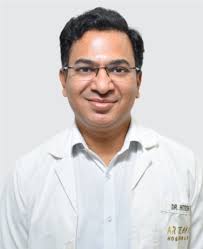
الدكتور هيتيش جارج
جراحة العمود الفقري
مستشفى أرتيميس، جوروجرام
الدكتور هيتيش جارج، من أبرز جراحي العمود الفقري في جوروجرام بخبرة تتجاوز 20 عاماً، متميز في جراحات العمود الفقري طفيفة التوغل والجراحات الروبوتية في مستشفى أرتميس.
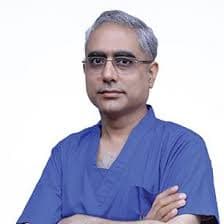
الدكتور مانوج ميغلاني
جراحة العمود الفقري
مستشفى فورتيس، فاسانت كونج، نيو دلهي
الدكتور مانوج ميغلاني، جراح عمود فقري متميز بخبرة تزيد عن 26 عامًا، بارع في الجراحات طفيفة التوغل بمستشفى فورتيس، فاسانت كونج.
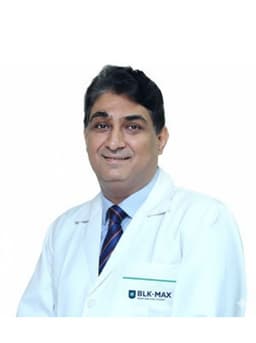
الدكتور بونيت غيردهار
جراحة العمود الفقري
مستشفى بي إل كيه–ماكس للتخصصات الدقيقة، نيودلهي
الدكتور بونيت غيردهار أحد أبرز جرّاحي العمود الفقري الروبوتيين في دلهي، يتمتع بخبرة تزيد عن 27 عامًا وأجرى أكثر من 15,000 جراحة للعمود الفقري. خبير في الجراحات طفيفة التوغل وجراحات العمود الفقري المعقدة في مستشفى بي إل كيه–ماكس.
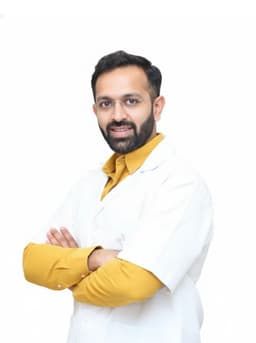
الدكتور آشيش داغار
جراحة العمود الفقري
مستشفى مانيبال، جوروجرام
الدكتور آشيش داغار هو جراح عمود فقري عظام حاصل على زمالة تخصصية ويعمل في مستشفى مانيبال جوروجرام، بخبرة تزيد عن 15 عامًا. متخصص في جراحة العمود الفقري بالمنظار والجراحة طفيفة التوغل، وتصحيح الجنف، وعمليات تثبيت ودمج الفقرات العنقية والقطنية.
النتائج المتوقعة وإعادة التأهيل
الجدول الزمني للتعافي في الهند وبعد العودة إلى الوطن
سيقوم مدير حالتك لدى VRH بترتيب شهادة اللياقة للسفر جوًا (Fit-to-Fly) قبل مغادرتك.
ما مدى سرعة إمكانية السفر؟
الرأي الطبي الإلكتروني وتقدير التكلفة
24-48 ساعة
يتم الحصول عليه بعد مشاركة صور الرنين المغناطيسي والأشعة السينية مع فريقنا.
خطاب دعوة التأشيرة (VIL)
1-2 يوم عمل
يصدره المستشفى لتسريع إجراءات طلب التأشيرة الطبية الهندية.
تكلفة دمج الفقرات في الهند (باقات تقديرية)
هذه تكاليف ابتدائية تقديرية. شارك تقارير الرنين المغناطيسي للحصول على عرض سعر ثابت وشامل مصمم وفق حالة العمود الفقري الخاصة بك.
كيف تساعدك VRH Healthcare
VRH Healthcare ليست مستشفى. نحن نعمل كشريك لتسهيل الرعاية الطبية وإرشاد المرضى، ونساعدك على اتخاذ قرارات مدروسة والانتقال بسلاسة خلال مراحل العلاج في الهند.
خدمات المرضى الدوليين
رحلتك العلاجية مع VRH
دليل مبسط خطوة بخطوة لتجربة علاجك.
شارك تقاريرك الطبية (الرنين المغناطيسي/الأشعة السينية) بأمان مع VRH Healthcare.
احصل على رأي طبي ثانٍ من خبير وتقدير إرشادي وشفاف للتكلفة.
خطط للسفر والتأشيرة الطبية ومواعيد المستشفى مع فريقنا.
اخضع للعلاج في الهند مع تنسيق ميداني شامل.
استفد من إجراءات خروج سلسة من المستشفى والمتابعة المستمرة عن بُعد بعد العلاج.
شارك تقاريرك الطبية (الرنين المغناطيسي/الأشعة السينية) بأمان مع VRH Healthcare.
احصل على رأي طبي ثانٍ من خبير وتقدير إرشادي وشفاف للتكلفة.
خطط للسفر والتأشيرة الطبية ومواعيد المستشفى مع فريقنا.
اخضع للعلاج في الهند مع تنسيق ميداني شامل.
استفد من إجراءات خروج سلسة من المستشفى والمتابعة المستمرة عن بُعد بعد العلاج.
الدول والمناطق التي نقدم لها الدعم
الشرق الأوسط
دعم باللغة العربية، والمساعدة في التأشيرة، والوجبات الحلال، والتنسيق لخطة الرعاية الخاصة بجراحة العمود الفقري.
أفريقيا
دعم مراجعة الفحوص، وترجمة المستندات، والتنسيق مع السفارات، والتخطيط للسكن لفترات طويلة.
آسيا الوسطى ورابطة الدول المستقلة
خدمات الترجمة الفورية باللغة الروسية، والاستقبال من المطار، والتنسيق المخصص مع المستشفى.
جنوب آسيا
الوصول السريع إلى الآراء الطبية، وتنسيق المواعيد عبر الحدود، واستمرارية الرعاية.
المملكة المتحدة والولايات المتحدة
تقديرات مقارنة للتكلفة للغرسات الخاصة بالعمود الفقري المعتمدة من إدارة الغذاء والدواء الأمريكية، ومتابعات عن بُعد بعد العودة.
دول أخرى
دعم مخصص وفق احتياجات السفر والرعاية لكل مريض.