
جراحة العمود الفقري طفيفة التوغل المتقدمة (MISS) في الهند: رعاية دقيقة لتعافٍ أسرع
اكتشف إجراءات جراحة العمود الفقري طفيفة التوغل (MISS) ذات المستوى العالمي في الهند لحالات مثل انزلاق غضروفي وتضيق العمود الفقري. تقدم VRH Healthcare إرشادات الخبراء، وتنسيقًا سلسًا، وإمكانية الوصول إلى كبار جراحي العمود الفقري للمرضى الدوليين الذين يبحثون عن خيارات علاج فعالة وأقل توغلاً.
مستشفيات معتمدة
مراكز معتمدة من JCI وNABH فقط.
بدون وقت انتظار
مواعيد ذات أولوية للمرضى الدوليين.
فهم جراحة العمود الفقري طفيفة التوغل (MISS) في الهند
تقدم جراحة العمود الفقري طفيفة التوغل (MISS) في الهند نهجًا حديثًا لعلاج حالات العمود الفقري المختلفة، بما في ذلك مشاكل الأقراص، وتضيق العمود الفقري، وعدم الاستقرار. على عكس الجراحة المفتوحة التقليدية، تستخدم جراحة العمود الفقري طفيفة التوغل أدوات متخصصة وشقوقًا صغيرة، غالبًا ما تكون موجهة بالتصوير المتقدم. تهدف هذه التقنية إلى تقليل تلف العضلات والأنسجة، مما يؤدي إلى ألم أقل، وفقدان دم أقل، وعودة أسرع إلى الأنشطة اليومية للمرضى الدوليين الذين يبحثون عن رعاية متقدمة للعمود الفقري.
أنواع / أشكال جراحة العمود الفقري طفيفة التوغل (MISS)
استئصال القرص المجهري
يزيل مادة القرص المنفتق من خلال شق صغير لتخفيف ضغط العصب.
استئصال الصفيحة / تخفيف الضغط طفيف التوغل
يخفف الضغط على الأعصاب الشوكية عن طريق إزالة أجزاء صغيرة من العظم أو الرباط.
دمج الفقرات طفيف التوغل
يثبت العمود الفقري عن طريق ربط فقرتين أو أكثر بأقل قدر من اضطراب الأنسجة.
جراحة العمود الفقري بالمنظار
تستخدم كاميرا صغيرة (منظار داخلي) لتصوير وعلاج دقيق للغاية من خلال فتحات صغيرة جدًا.
تثبيت المسامير عبر الجلد
يثبت العمود الفقري عن طريق إدخال مسامير من خلال ثقوب جلدية صغيرة، موجهة بالتصوير.
يشرح جراحك سبب التوصية بنهج معين لك.
التقنيات والأساليب
في الهند، قد يتم إجراء جراحة العمود الفقري طفيفة التوغل (MISS) باستخدام:
الفوائد
- شقوق أصغر وتقليل الندوب: تؤدي التقنيات طفيفة التوغل إلى شقوق جلدية أصغر، مما يقلل من ظهور الندوب ويحسن النتائج التجميلية.
- ضرر أقل للعضلات والأنسجة الرخوة: يقوم الجراحون بفصل العضلات بلطف بدلاً من قطعها، مما يحافظ على سلامة الأنسجة ويقلل من الألم بعد الجراحة.
- ألم أقل بعد الجراحة: مع صدمة أقل للأنسجة، يعاني المرضى عادةً من ألم أقل بكثير بعد الجراحة، مما يتطلب عددًا أقل من المسكنات القوية.
- مخاطر أقل لفقدان الدم والعدوى: تساهم الشقوق الأصغر والتقنيات الدقيقة في تقليل فقدان الدم أثناء الجراحة وتقليل خطر الإصابة بالعدوى في موقع الجراحة.
- تعافٍ أسرع وإقامة أقصر في المستشفى: غالبًا ما يتعافى المرضى بشكل أسرع، مما يسمح بالخروج المبكر من المستشفى والعودة الأسرع إلى المنزل.
- عودة أسرع إلى الأنشطة الطبيعية: يعني مسار التعافي المتسارع أن الأفراد يمكنهم غالبًا استئناف الروتين اليومي والعمل الخفيف في وقت أقرب مما هو عليه في الجراحة التقليدية.
- تصوير معزز: توفر أدوات التصوير المتقدمة والمناظير للجراحين رؤية مكبرة وواضحة للغاية للمنطقة الجراحية.
القيود
- غير مناسب لجميع الحالات المعقدة: قد لا تكون جراحة العمود الفقري طفيفة التوغل مناسبة للتشوهات الشوكية المعقدة للغاية، أو عدم الاستقرار الشديد، أو استئصال الأورام الواسع النطاق.
- يتطلب تدريبًا متخصصًا للجراح: تتطلب الطبيعة المعقدة لجراحة العمود الفقري طفيفة التوغل تدريبًا وخبرة واسعة من جراح العمود الفقري الذي يجري العملية.
- وقت جراحي أطول محتمل: في بعض الحالات، قد تؤدي الطبيعة الدقيقة للنهج طفيفة التوغل إلى مدة أطول للجراحة.
- مجال رؤية محدود: مقارنة بالجراحة المفتوحة، يكون مجال الرؤية المباشر للجراح أصغر، ويعتمد بشكل كبير على التصوير والرؤى بالمنظار.
- خطر تلف الأعصاب: على الرغم من أنه أقل بشكل عام، لا يزال هناك خطر إصابة الأعصاب، على الرغم من أن المراقبة العصبية المتقدمة تساعد في التخفيف من ذلك.
- تكاليف معدات أعلى: يمكن أن تساهم الأدوات والتقنيات المتخصصة المستخدمة في جراحة العمود الفقري طفيفة التوغل أحيانًا في ارتفاع التكاليف الإجمالية للإجراء.
التشخيصات والفحوصات قبل الوصول
قائمة التحقق قبل الوصول والسفر
كيف يتم الإجراء (خطوة بخطوة)
التحضير قبل الجراحة
قبل الجراحة، يخضع المرضى لفحوصات طبية نهائية، ويتلقون التخدير، ويوضعون بعناية على طاولة العمليات للوصول الأمثل.
الشق والوصول
يتم إجراء شق صغير، ويتم استخدام سلسلة من الموسعات أو نظام مباعد أنبوبي لفصل العضلات بلطف وإبقائها جانبًا، مما يخلق مسارًا واضحًا للعمود الفقري.
التدخل الجراحي
بتوجيه من التصوير في الوقت الفعلي (التنظير الفلوري أو الملاحة)، يستخدم الجراح أدوات متخصصة لمعالجة مشكلة العمود الفقري المحددة، مثل إزالة قرص منفتق، أو تخفيف ضغط الأعصاب، أو دمج الفقرات.
التحقق والإغلاق
بعد الإجراء، يتم فحص المنطقة الجراحية بدقة، وتُزال الأدوات، ويُغلق الشق الصغير بعناية بالخيوط الجراحية أو الغراء الجراحي.
المراقبة بعد الجراحة
يُنقل المرضى إلى منطقة التعافي للمراقبة الدقيقة أثناء استيقاظهم من التخدير، مع بدء إدارة الألم على الفور.
أفضل الأطباء المتخصصين في جراحة العمود الفقري
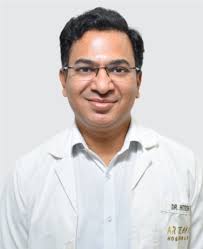
الدكتور هيتيش جارج
جراحة العمود الفقري
مستشفى أرتيميس، جوروجرام
الدكتور هيتيش جارج، من أبرز جراحي العمود الفقري في جوروجرام بخبرة تتجاوز 20 عاماً، متميز في جراحات العمود الفقري طفيفة التوغل والجراحات الروبوتية في مستشفى أرتميس.
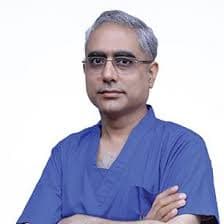
الدكتور مانوج ميغلاني
جراحة العمود الفقري
مستشفى فورتيس، فاسانت كونج، نيو دلهي
الدكتور مانوج ميغلاني، جراح عمود فقري متميز بخبرة تزيد عن 26 عامًا، بارع في الجراحات طفيفة التوغل بمستشفى فورتيس، فاسانت كونج.
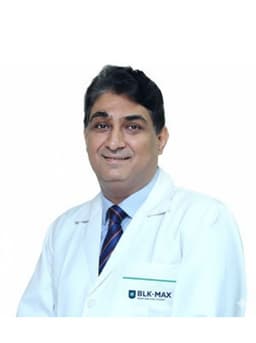
الدكتور بونيت غيردهار
جراحة العمود الفقري
مستشفى بي إل كيه–ماكس للتخصصات الدقيقة، نيودلهي
الدكتور بونيت غيردهار أحد أبرز جرّاحي العمود الفقري الروبوتيين في دلهي، يتمتع بخبرة تزيد عن 27 عامًا وأجرى أكثر من 15,000 جراحة للعمود الفقري. خبير في الجراحات طفيفة التوغل وجراحات العمود الفقري المعقدة في مستشفى بي إل كيه–ماكس.
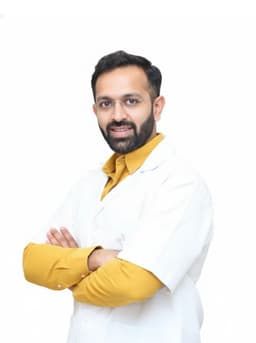
الدكتور آشيش داغار
جراحة العمود الفقري
مستشفى مانيبال، جوروجرام
الدكتور آشيش داغار هو جراح عمود فقري عظام حاصل على زمالة تخصصية ويعمل في مستشفى مانيبال جوروجرام، بخبرة تزيد عن 15 عامًا. متخصص في جراحة العمود الفقري بالمنظار والجراحة طفيفة التوغل، وتصحيح الجنف، وعمليات تثبيت ودمج الفقرات العنقية والقطنية.
النتائج المتوقعة وماذا يعني النجاح
التعافي والجدول الزمني للمتابعة
اللياقة للسفر وحدود النشاط خاصة بالمركز.
ما مدى سرعة البدء؟
رأي ثانٍ
12-48 ساعة
يتم استلامه عادة بعد مشاركة التقارير الطبية.
الجدولة
متغير
يعتمد على توفر المستشفى والأولوية السريرية.
التكاليف وما يؤثر على تقديرك
تقدم هذه الصفحة نظرة عامة على التكاليف النموذجية والعوامل المؤثرة. يتم مشاركة تقدير تكلفة مخصص بعد مراجعة طبية لتقاريرك - يرجى الاتصال بنا لطلب تقديرك الفردي.
كيف تساعد VRH Healthcare
VRH Healthcare ليست مستشفى. نحن نعمل كشريك لتسهيل الرعاية الطبية وتوجيه المرضى، مما يساعدك على اتخاذ قرارات مستنيرة والتنقل بسلاسة عبر الرعاية في الهند.
خدمات المرضى الدوليين
رحلة رعايتك مع VRH
دليل مبسط خطوة بخطوة لتجربة علاجك.
شارك التقارير الطبية
احصل على رأي ثانٍ من خبير وتقدير إرشادي
خطط للسفر، التأشيرة، والمواعيد
العلاج بتنسيق على الأرض
الخروج من المستشفى ومتابعات عن بعد مستمرة
شارك التقارير الطبية
احصل على رأي ثانٍ من خبير وتقدير إرشادي
خطط للسفر، التأشيرة، والمواعيد
العلاج بتنسيق على الأرض
الخروج من المستشفى ومتابعات عن بعد مستمرة
أين نخدم: الدول التي ندعمها
الشرق الأوسط
دعم لغوي، مساعدة في التأشيرة، وتخطيط رعاية منسق لجراحة العمود الفقري المتقدمة.
أفريقيا
دعم لمراجعة التشخيصات، تخطيط السفر، والمتابعة بعد العلاج لحالات العمود الفقري.
آسيا الوسطى ورابطة الدول المستقلة
خدمات الترجمة وتنسيق المستشفى لرعاية جراحة العمود الفقري المعقدة.
جنوب آسيا
وصول سريع إلى الآراء، الجدولة، واستمرارية الرعاية لمرضى العمود الفقري.
المملكة المتحدة والولايات المتحدة الأمريكية
آراء ثانية، تخطيط حساس للتكلفة، ومتابعات عن بعد بعد العودة لعلاج العمود الفقري.
دول أخرى
دعم مخصص بناءً على احتياجات السفر والرعاية الفردية لإجراءات العمود الفقري.