
Hindistonda buyrak yetishmovchiligining so'nggi bosqichi (ESRD) uchun buyrak transplantatsiyasi
Hindistonda tajribali nefrologlar va transplantatsiya jarrohlari bilan ilg'or buyrak transplantatsiyasi dasturlariga ega bo'ling. VRH Healthcare xalqaro bemorlarni donorlarni muvofiqlashtirish, qonuniy ruxsatnomalar va iqtisodiy samarali transplantatsiya rejalashtirishda qo'llab-quvvatlaydi.
Taxminiy narx
$10,000 dan boshlab
*Narxlar shifoxona, shahar, jarroh tajribasi, xona toifasi va operatsiyadan oldingi tekshiruvlarga qarab farq qiladi.
Tasdiqlangan shifoxonalar
Faqat JCI va NABH akkreditatsiyalangan markazlar.
Kutishsiz xizmat
Xalqaro bemorlar uchun ustuvor uchrashuvlar.
Hindistonda buyrak transplantatsiyasini tushunish
Hindistonda buyrak transplantatsiyasi – bu kasal yoki ishlamay qolgan buyrakni tirik yoki vafot etgan donordan olingan sog'lom buyrak bilan almashtirish bo'yicha jarrohlik amaliyotidir. Bu buyrak yetishmovchiligining so'nggi bosqichi (ESRD) uchun eng samarali davolash usuli hisoblanadi, u uzoq muddatli dializga nisbatan yaxshiroq yashash ko'rsatkichlari va hayot sifatini yaxshilashni taklif etadi. Jarayon davomida donor buyrak qorinning pastki qismiga joylashtiriladi va qabul qiluvchining qon tomirlari va siydik pufagiga ulanadi. Hindiston tajribali nefrologlar, transplantatsiya jarrohlari va donorlarni tasdiqlash uchun tuzilgan huquqiy asoslarga ega ilg'or transplantatsiya markazlarini tashkil etgan. VRH Healthcare xalqaro bemorlarni transplantatsiyani baholash, donorlarni muvofiqlashtirish va keng qamrovli operatsiyadan keyingi rejalashtirishda qo'llab-quvvatlaydi.
Hindistonda buyrak transplantatsiyasining turlari / variantlari
Tirik donordan buyrak transplantatsiyasi
Sog'lom buyrak tirik odam tomonidan, ko'pincha oila a'zosi yoki yaqin do'st tomonidan beriladi.
Oldindan buyrak transplantatsiyasi
Bemor dializni boshlashdan oldin amalga oshiriladigan transplantatsiya, yaxshiroq natijalar beradi.
Sizning jarrohingiz nima uchun ma'lum bir yondashuv sizga tavsiya etilishini tushuntiradi.
Texnologiya va usullar
Hindistonda buyrak transplantatsiyasi quyidagi usullarda amalga oshirilishi mumkin:
Afzalliklar
- Hayot sifati va energiya darajasining sezilarli darajada yaxshilanishi.
- Muntazam dializ muolajalaridan ozod bo'lish, ko'proq mustaqillikni ta'minlash.
- Dializda qolishga nisbatan uzoqroq umr ko'rish ehtimoli.
- Qon bosimini yaxshiroq nazorat qilish va yurak-qon tomir kasalliklari xavfini kamaytirish.
- Ovqatlanish erkinligining yaxshilanishi va suyuqlik cheklovlarining kamayishi.
- Ishlash, sayohat qilish va kundalik faoliyatda ishtirok etish qobiliyatining oshishi.
Cheklovlar
- Rad etishning oldini olish uchun umrbod immunosupressiv dori-darmonlarni qabul qilishni talab qiladi.
- Jarrohlik asoratlari, jumladan, qon ketishi, infektsiya va qon quyqalari xavfi.
- Tananing ko'chirilgan buyrakni rad etish ehtimoli.
- Dori-darmonlar tufayli infektsiyalar va ba'zi turdagi saraton kasalliklariga moyillikning oshishi.
- Muvofiq donor topish uzoq va qiyin jarayon bo'lishi mumkin.
- Dori-darmonlar jadvaliga qat'iy rioya qilish va muntazam nazorat tekshiruvlarini talab qiladi.
Diagnostika va kelishdan oldingi tekshiruv
Kelishdan oldingi va sayohat ro'yxati
Jarayon qanday amalga oshiriladi (bosqichma-bosqich)
Transplantatsiyadan oldingi tayyorgarlik
Donor ham, qabul qiluvchi ham jarrohlikka yaroqliligi va mosligini ta'minlash uchun chuqur tibbiy tekshiruvlardan o'tadi. Qabul qiluvchiga jarrohlikgacha dializ talab qilinishi mumkin.
Donor nefrektomiyasi (agar tirik donor bo'lsa)
Sog'lom buyrak tirik donordan jarrohlik yo'li bilan olib tashlanadi, odatda tezroq tiklanish uchun laparoskopik yoki robotik usullar qo'llaniladi.
Qabul qiluvchi transplantatsiya jarrohligi
Yangi buyrak qorinning pastki qismiga joylashtiriladi va uning qon tomirlari qabul qiluvchining qon tomirlariga ulanadi. Keyin siydik yo'li siydik pufagiga ulanadi.
Operatsiyadan keyingi parvarish va monitoring
Bemorlar dastlab reanimatsiya bo'limida, keyin esa palatada diqqat bilan kuzatiladi. Rad etishning oldini olish uchun immunosupressiv dori-darmonlar boshlanadi va buyrak funktsiyasi kuzatiladi.
Urologiya bo‘yicha eng yaxshi mutaxassislar

Dr. Sanjay Gogoi
Urologiya
Medanta - The Medicity, Gurugram
Dr. Sanjay Gogoi — 25+ yillik tajribaga ega yetakchi urolog bo‘lib, buyrak transplantatsiyasi va zamonaviy urologik operatsiyalarga ixtisoslashgan.
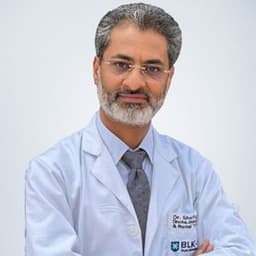
Dr. Shafiq Ahmed
Urologiya
BLK-Max Super Speciality Hospital, New Delhi
Dr. Shafiq Ahmed — 20+ yillik tajribaga ega yetakchi urolog bo‘lib, robotik buyrak transplantatsiyasi va murakkab urologik operatsiyalarga ixtisoslashgan.
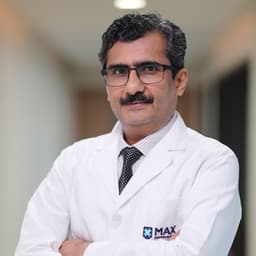
Dr. Amit K Devra
Urologiya
Max Super Speciality Hospital, Noida
Dr. Amit K Devra — 25+ yillik tajribaga ega yetakchi urolog bo‘lib, robotik buyrak transplantatsiyasi va bepushtlik davolashga ixtisoslashgan.
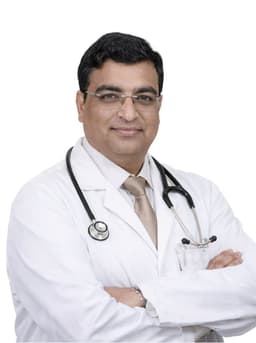
Dr. Rajesh Taneja
Urologiya
Indraprastha Apollo Hospital, New Delhi
Dr. Rajesh Taneja Apollo Delhida faoliyat yurituvchi, AIIMSda malaka oshirgan urolog bo‘lib, HoLEP, toshlarni jarrohlik yo‘li bilan davolash va robotlashtirilgan urologiya bo‘yicha 39 yildan ortiq tajribaga ega.
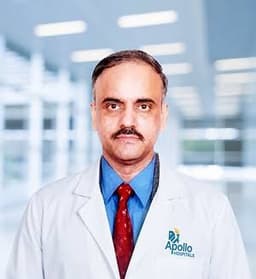
Dr Sandeep Guleria
Urologiya
Indraprastha Apollo Hospitals, New Delhi
Dr Sandeep Guleria Apollo Delhi shifoxonasida faoliyat yurituvchi, Padma Shri mukofotiga sazovor bo‘lgan buyrak transplantatsiyasi jarrohi bo‘lib, tirik donordan, ABO-nomuvofiq va takroriy transplantatsiyalar bo‘yicha 33 yildan ortiq tajribaga ega.
Kutilayotgan natijalar va muvaffaqiyat nimani anglatadi
Tiklanish va nazorat jadvali
Uchishga yaroqlilik va faoliyat cheklovlari markazga xosdir.
Qanchalik tez boshlashim mumkin?
Ikkinchi fikr
12-48 hours
Odatda tibbiy hisobotlarni bo'lishgandan so'ng olinadi.
Rejalashtirish
1-2 working days
Mutaxassisning mavjudligiga qarab
Donor tekshiruvi va tasdiqlash
2-4 weeks
Tirik donorlar uchun keng qamrovli testlar va qonuniy ruxsatnomalar talab qilinadi.
Tibbiy vizani rasmiylashtirish
1-2 weeks
Kasalxona qabul qilgandan va taklif xati berilgandan so'ng.
Hindistonda buyrak transplantatsiyasi narxi va sizning hisob-kitobingizga ta'sir qiluvchi omillar
Ushbu sahifa odatiy xarajatlar va ta'sir qiluvchi omillar haqida umumiy ma'lumot beradi. Shaxsiy narx hisob-kitobi sizning hisobotlaringiz tibbiy ko'rib chiqilgandan so'ng taqdim etiladi – shaxsiy hisob-kitobingizni so'rash uchun biz bilan bog'laning.
VRH Healthcare qanday yordam beradi
VRH Healthcare shifoxona emas. Biz sizning tibbiy yordamni osonlashtiruvchi va bemorlarni yo'naltiruvchi hamkoringiz bo'lib, Hindistonda xabardor qarorlar qabul qilishingizga va davolanish jarayonidan muammosiz o'tishingizga yordam beramiz.
Xalqaro bemorlarga xizmatlar
VRH bilan davolanish jarayoningiz
Davolanish tajribangiz bo'yicha soddalashtirilgan bosqichma-bosqich qo'llanma.
Tibbiy hisobotlarni bo'lishing
Mutaxassisning ikkinchi fikrini va taxminiy narx hisob-kitobini oling
Sayohat, viza va uchrashuvlarni rejalashtiring
Joyida muvofiqlashtirish bilan davolash
Kasalxonadan chiqish va doimiy tele-nazorat
Tibbiy hisobotlarni bo'lishing
Mutaxassisning ikkinchi fikrini va taxminiy narx hisob-kitobini oling
Sayohat, viza va uchrashuvlarni rejalashtiring
Joyida muvofiqlashtirish bilan davolash
Kasalxonadan chiqish va doimiy tele-nazorat
Biz xizmat ko'rsatadigan joylar: Biz qo'llab-quvvatlaydigan mamlakatlar
Yaqin Sharq
Til yordami, viza yordami va buyrak transplantatsiyasi uchun muvofiqlashtirilgan davolanishni rejalashtirish.
Afrika
Diagnostikani ko'rib chiqish, sayohatni rejalashtirish va davolanishdan keyingi nazorat uchun yordam.
Markaziy Osiyo va MDH
Jarrohlik yordami uchun tarjimonlik xizmatlari va kasalxona muvofiqlashtiruvi.
Janubiy Osiyo
Fikrlar, rejalashtirish va davolanishning uzluksizligiga tezkor kirish.
Buyuk Britaniya va AQSh
Ikkinchi fikrlar, narxga sezgir rejalashtirish va qaytishdan keyingi tele-nazorat.
Boshqa mamlakatlar
Shaxsiy sayohat va davolanish ehtiyojlariga asoslangan moslashtirilgan yordam.