
Cirurgia TURBT na Índia: Remoção Avançada e Minimamente Invasiva de Tumor de Bexiga
Acesse urologistas especialistas e tratamento moderno para tumores de bexiga e câncer de bexiga em estágio inicial. A VRH Healthcare garante suporte completo para pacientes internacionais.
Hospitais verificados
Apenas centros acreditados pela JCI e NABH.
Sem tempo de espera
Consultas prioritárias para pacientes internacionais.
O que é Ressecção Transuretral de Tumor de Bexiga (TURBT)?
A Ressecção Transuretral de Tumor de Bexiga (TURBT) é um procedimento cirúrgico comum usado para diagnosticar e tratar o câncer de bexiga em estágio inicial. Realizado por um urologista, envolve a inserção de um instrumento fino e iluminado chamado ressectoscópio através da uretra até a bexiga. O cirurgião então usa uma alça de arame para remover tumores visíveis e tecido anormal. Este procedimento é crucial tanto para remover o tumor quanto para obter amostras de tecido para um estadiamento patológico preciso, que orienta as decisões de tratamento subsequentes. É uma abordagem minimamente invasiva, visando preservar a função da bexiga.
Tipos / Variantes de Ressecção Transuretral de Tumor de Bexiga (TURBT)
TURBT Monopolar Padrão
Método tradicional que utiliza corrente elétrica para cortar e coagular o tecido.
TURBT Bipolar
Utiliza energia bipolar, potencialmente mais segura para pacientes com marca-passos ou irrigação salina.
Ressecção em Bloco
Remove o tumor em uma única peça, potencialmente melhorando a precisão do estadiamento e reduzindo a recorrência.
A abordagem cirúrgica depende do tamanho do tumor, localização e da recomendação do seu cirurgião.
Tecnologia e Técnicas
Na Índia, a Ressecção Transuretral de Tumor de Bexiga (TURBT) pode ser realizada utilizando:
Benefícios
- Minimamente invasivo, evitando grandes incisões.
- Permite tanto o diagnóstico quanto o tratamento em um único procedimento.
- Preserva a bexiga, mantendo sua função.
- Internação hospitalar mais curta em comparação com a cirurgia aberta.
- Eficaz para câncer de bexiga em estágio inicial, não invasivo do músculo.
Limitações
- Risco de recorrência do tumor, especialmente para tipos agressivos.
- Não adequado para câncer de bexiga invasivo do músculo ou avançado.
- Potencial de perfuração da bexiga ou sangramento.
- Pode exigir procedimentos repetidos ou tratamentos adicionais.
- A recuperação envolve desconforto urinário temporário e sangue na urina.
Diagnósticos e Preparação Pré-Chegada
Lista de Verificação Pré-Chegada e Viagem
Como o Procedimento é Realizado (Passo a Passo)
Anestesia
Você receberá anestesia geral ou raquidiana para garantir conforto e uma experiência sem dor durante o procedimento.
Inserção do Cistoscópio
Um ressectoscópio, um tubo fino com câmera e luz, é inserido suavemente através da uretra até a bexiga.
Visualização do Tumor
O cirurgião examina cuidadosamente o revestimento da bexiga para identificar todos os tumores visíveis e áreas suspeitas.
Ressecção do Tumor
Uma alça de arame no ressectoscópio é usada para remover o(s) tumor(es) da bexiga e o tecido circundante.
Hemostasia
Os pontos de sangramento são cauterizados para garantir a hemostasia adequada e minimizar complicações pós-operatórias.
Coleta de Amostras
Os fragmentos de tecido ressecados são coletados e enviados a um laboratório para exame patológico e estadiamento.
Irrigação da Bexiga
A bexiga é irrigada para remover quaisquer fragmentos de tecido ou coágulos sanguíneos restantes antes da remoção do ressectoscópio.
Principais especialistas em Urologia

Dr. Sanjay Gogoi
Urologia
Medanta - The Medicity, Gurugram
Dr. Sanjay Gogoi, um dos principais urologistas de Gurugram com mais de 25 anos de experiência, é especialista em transplante renal, TUIP e urologia avançada no Medanta.
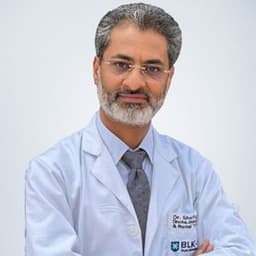
Dr. Shafiq Ahmed
Urologia
Hospital BLK-Max Super Speciality, Nova Deli
Dr. Shafiq Ahmed, um dos principais urologistas de Nova Deli com mais de 20 anos de experiência, é especialista em transplante renal robótico e procedimentos urológicos complexos no BLK-Max.
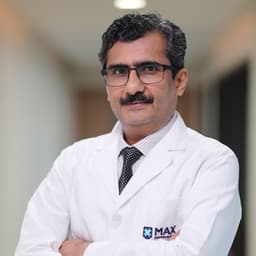
Dr. Amit K Devra
Urologia
Max Super Speciality Hospital, Noida
Dr. Amit K Devra, um dos principais urologistas de Noida com mais de 25 anos de experiência, é especialista em transplante renal robótico e tratamentos de infertilidade masculina no Max.
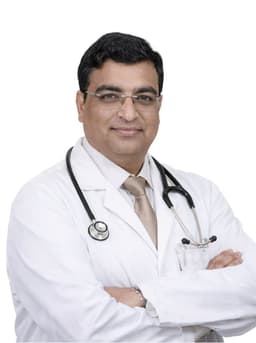
Dr. Rajesh Taneja
Urologia
Indraprastha Apollo Hospital, New Delhi
Dr. Rajesh Taneja é um urologista com formação no AIIMS no Apollo Delhi, com mais de 39 anos de experiência em HoLEP, cirurgia de cálculos e urologia robótica.
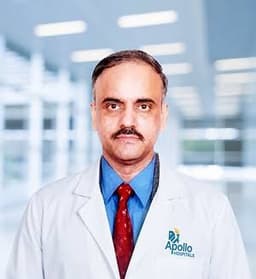
Dr Sandeep Guleria
Urologia
Indraprastha Apollo Hospitals, New Delhi
Dr Sandeep Guleria é um cirurgião de transplante renal condecorado com o Padma Shri, no Apollo Delhi, com mais de 33 anos de experiência em transplantes com doador vivo, incompatibilidade ABO e retransplantes.
Resultados Esperados e o Que Significa Sucesso
Cronograma de Recuperação e Acompanhamento
A aptidão para voar e os limites de atividade são específicos de cada centro.
Com Que Rapidez Posso Começar?
Segunda Opinião
12-48 horas
Geralmente recebida após o compartilhamento de relatórios médicos.
Agendamento
1-2 dias úteis
Dependendo da disponibilidade do especialista
Carta Convite para Visto (VIL)
1-2 dias úteis
emitida prontamente para apoiar sua solicitação de visto médico.
Custos e o Que Afeta Seu Orçamento
Esta página fornece uma visão geral dos custos típicos e fatores influenciadores. Um orçamento personalizado é compartilhado após uma revisão médica de seus relatórios — entre em contato conosco para solicitar seu orçamento individual.
Como a VRH Healthcare Ajuda
A VRH Healthcare não é um hospital. Atuamos como seu parceiro de facilitação médica e navegação do paciente, ajudando você a tomar decisões informadas e a progredir sem problemas no tratamento na Índia.
Serviços para Pacientes Internacionais
Sua Jornada de Tratamento com a VRH
Um guia passo a passo simplificado para sua experiência de tratamento.
Compartilhe relatórios médicos
Receba uma segunda opinião especializada e um orçamento indicativo
Planeje viagem, visto e consultas
Tratamento com coordenação no local
Alta e acompanhamentos contínuos por teleconsulta
Compartilhe relatórios médicos
Receba uma segunda opinião especializada e um orçamento indicativo
Planeje viagem, visto e consultas
Tratamento com coordenação no local
Alta e acompanhamentos contínuos por teleconsulta
Onde Atendemos: Países Que Apoiamos
Oriente Médio
Suporte linguístico, assistência com visto e planejamento coordenado de cuidados para cirurgia de tumor de bexiga.
África
Suporte para revisão de diagnósticos, planejamento de viagem e acompanhamento pós-tratamento.
Ásia Central e CEI
Serviços de interpretação e coordenação hospitalar para cuidados cirúrgicos.
Sul da Ásia
Acesso rápido a opiniões, agendamento e continuidade dos cuidados.
Reino Unido e EUA
Segundas opiniões, planejamento sensível ao custo e acompanhamentos por teleconsulta pós-retorno.
Outros Países
Suporte personalizado com base nas necessidades individuais de viagem e tratamento.