
Odontologia Restauradora na Índia: Repare, Substitua e Restaure Seu Sorriso
Aceda a tratamentos dentários avançados, incluindo coroas, pontes, implantes e reabilitação oral completa com dentistas líderes na Índia. A VRH Healthcare ajuda pacientes internacionais a planear cuidados dentários seguros, acessíveis e de alta qualidade.
Hospitais verificados
Apenas centros acreditados pela JCI e NABH.
Sem tempo de espera
Consultas prioritárias para pacientes internacionais.
Compreendendo a Odontologia Restauradora na Índia
A odontologia restauradora foca na reparação de dentes danificados e na substituição de dentes ausentes para restaurar tanto a função quanto a estética. Inclui tratamentos como obturações dentárias, coroas, pontes, implantes dentários e reabilitação oral completa.
Esses procedimentos são essenciais para pacientes que sofrem de cáries, fraturas, perda dentária ou dentes desgastados, ajudando a melhorar a capacidade de mastigação, a fala e a saúde oral geral.
Os procedimentos odontológicos restauradores modernos na Índia utilizam tecnologias avançadas como digitalização digital, sistemas CAD/CAM e implantodontia para oferecer resultados precisos, de aparência natural e duradouros.
Os pacientes podem beneficiar de técnicas minimamente invasivas, materiais de alta qualidade como zircónia e cerâmica, e especialistas dentários experientes e treinados em padrões internacionais.
A Índia é um destino líder para a odontologia restauradora devido aos custos de tratamento significativamente mais baixos em comparação com os Estados Unidos, Reino Unido e Europa, mantendo altos padrões de atendimento.
A VRH Healthcare não é uma clínica dentária. Atuamos como um facilitador médico independente, ajudando pacientes internacionais a aceder a opiniões dentárias especializadas, comparar opções de tratamento e planear a sua jornada de cuidados dentários na Índia.
Tipos / Variantes de Procedimentos Odontológicos Restauradores
Obturações Dentárias
Reparam cáries e pequenos danos usando resina composta, amálgama ou materiais de ionómero de vidro.
Coroas Dentárias
Capas que cobrem dentes danificados, restaurando a forma, força e aparência após cárie ou fratura.
Pontes Dentárias
Substituem um ou mais dentes ausentes, ancorando dentes artificiais em dentes naturais adjacentes ou implantes.
Implantes Dentários
Componentes cirúrgicos que se fundem com o osso maxilar, proporcionando uma base estável para dentes de substituição.
Inlays e Onlays
Restaurações indiretas feitas em laboratório, usadas para cáries maiores ou danos que as coroas não conseguem resolver.
Tratamento de Canal Radicular
Remove a polpa infetada do interior de um dente, salvando-o da extração e restaurando a sua função.
O seu cirurgião explicará por que uma abordagem específica é recomendada para si.
Tecnologia e Técnicas
As clínicas dentárias indianas estão equipadas com tecnologia de ponta para garantir precisão, eficiência e conforto do paciente durante os procedimentos odontológicos restauradores. Essas ferramentas avançadas auxiliam no diagnóstico preciso, no planeamento meticuloso do tratamento e na criação de restaurações altamente estéticas e funcionais. As principais tecnologias e técnicas comumente utilizadas incluem:
Benefícios
- **Função Mastigatória Restaurada:** Permite uma alimentação confortável e eficiente, melhorando a digestão e a ingestão nutricional.
- **Estética Aprimorada:** Melhora significativamente a aparência do seu sorriso, aumentando a autoconfiança e a interação social.
- **Previne Danos Adicionais:** Interrompe a progressão de cáries ou fraturas, protegendo a estrutura dentária saudável restante.
- **Alivia a Dor:** Elimina o desconforto causado por dentes danificados, cáries ou nervos expostos, proporcionando alívio imediato.
- **Preserva Dentes Naturais:** Visa salvar e fortalecer os dentes existentes, evitando a necessidade de extração sempre que possível.
- **Melhora da Fala:** Preenche lacunas causadas por dentes ausentes, o que pode melhorar a clareza da fala e a pronúncia.
- **Soluções Duradouras:** Materiais e técnicas restauradoras modernas oferecem resultados duradouros que podem perdurar por muitos anos com os devidos cuidados.
- **Melhor Saúde Oral:** Contribui para a higiene oral geral, eliminando áreas onde partículas de alimentos e bactérias podem acumular-se.
Limitações
- **Múltiplas Consultas:** Procedimentos complexos como coroas ou pontes frequentemente exigem várias visitas para completar o tratamento.
- **Sensibilidade Pós-Procedimento:** Alguns pacientes podem sentir sensibilidade dentária temporária ao quente ou frio após certas restaurações.
- **Durabilidade do Material:** Embora duráveis, as restaurações não são indestrutíveis e podem exigir substituição ao longo do tempo devido ao desgaste ou danos.
- **Nem Sempre Possível:** Dentes severamente danificados ou infetados podem não ser salváveis, necessitando de extração em vez de restauração.
- **Considerações de Custo:** Trabalhos restauradores extensos, especialmente envolvendo múltiplos dentes ou materiais avançados, podem ser um investimento significativo.
- **Manutenção Necessária:** O sucesso a longo prazo depende muito de uma higiene oral diária diligente e de check-ups dentários profissionais regulares.
- **Complicações Potenciais:** Embora raras, os riscos incluem infeção, danos nos nervos ou reações alérgicas a materiais, que são discutidos antes do tratamento.
Diagnósticos e Preparação Pré-Chegada
Lista de Verificação Pré-Chegada e Viagem
Como o Procedimento é Realizado (Passo a Passo)
Consulta Inicial e Diagnóstico
O seu especialista dentário realiza um exame oral completo, revê imagens de diagnóstico e discute o seu histórico dentário e objetivos de tratamento para criar um plano personalizado.
Preparação do Dente
A estrutura dentária cariada ou danificada é cuidadosamente removida. O dente restante é então meticulosamente moldado para garantir um ajuste seguro e preciso para a restauração escolhida.
Impressão ou Digitalização Digital
É feita uma impressão altamente precisa ou digitalização digital do seu dente preparado e da área circundante. Isso serve como o projeto para a criação da sua restauração personalizada.
Fabrico da Restauração
Com base na impressão, a sua obturação, inlay, onlay, coroa ou ponte personalizada é habilmente fabricada num laboratório dentário, frequentemente utilizando tecnologia CAD/CAM avançada.
Colocação e Cimentação
Durante uma visita subsequente, a restauração finalizada é cuidadosamente ajustada para uma mordida e conforto ótimos, e então permanentemente cimentada ou colada no lugar.
Ajustes Finais e Polimento
O dentista garante que a restauração se integre perfeitamente com os seus dentes naturais, realizando quaisquer ajustes finais e polindo-a para um acabamento suave e de aparência natural.
Instruções de Cuidados Pós-Procedimento
Receberá orientações detalhadas sobre como manter uma excelente higiene oral, recomendações dietéticas e agendamento de consultas de acompanhamento para garantir o sucesso a longo prazo.
Principais especialistas em Cuidados Dentários
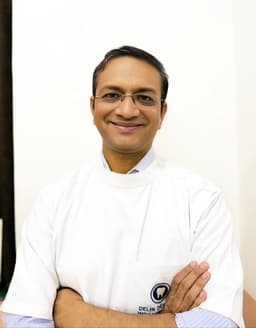
Dr. Jalaj Tak
Cuidados Dentários
Delhi ENT Hospital And Research Centre, Jasola, Delhi
Dr. Jalaj Tak é um dos principais dentistas de Delhi, com mais de 23 anos de experiência, especializado em implantes dentários e cirurgias odontológicas no Delhi ENT Hospital.

Dra. Neetika Jain
Cuidados Dentários
Concern32 Advanced Dental Implants & Hair Clinic, Gurugram
A cirurgiã dentária de referência Dra. Neetika Jain, da Concern32 Gurugram, oferece implantes dentários e tratamentos de canal de classe mundial e acessíveis para pacientes internacionais.
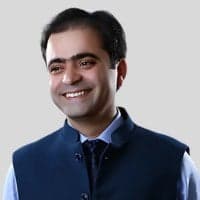
Dr. Aman Ahuja
Cuidados Dentários
Cosmodent India, Gurugram
Dr. Aman Ahuja, implantologista de referência e especialista em odontologia estética em Gurugram, oferece implantes dentários de classe mundial, transformações do sorriso e reabilitação oral completa a preços acessíveis para pacientes internacionais.
Resultados Esperados e o Que Significa o Sucesso
Cronograma de Recuperação e Acompanhamento
A aptidão para voar e os limites de atividade são específicos do centro.
Com Que Rapidez Posso Começar?
Segunda Opinião
12-48 hours
Normalmente recebida após partilhar relatórios médicos.
Agendamento
1-2 working days
Dependendo da disponibilidade do especialista
Carta Convite para Visto (VIL)
1-2 working days
emitida prontamente para apoiar a sua aplicação de visto médico.
Custos e o Que Afeta o Seu Orçamento
Esta página fornece uma visão geral dos custos típicos e fatores influenciadores. Uma estimativa de custo personalizada é partilhada após uma revisão médica dos seus relatórios — por favor, contacte-nos para solicitar a sua estimativa individual.
Como a VRH Healthcare Ajuda
A VRH Healthcare não é um hospital. Atuamos como o seu parceiro de facilitação médica e navegação do paciente, ajudando-o a tomar decisões informadas e a progredir sem problemas nos cuidados na Índia.
Serviços para Pacientes Internacionais
A Sua Jornada de Cuidados com a VRH
Um guia passo a passo simplificado para a sua experiência de tratamento.
Partilhe relatórios médicos
Receba uma segunda opinião especializada e um orçamento indicativo
Planeie viagem, visto e consultas
Tratamento com coordenação no local
Alta e acompanhamentos telefónicos contínuos
Partilhe relatórios médicos
Receba uma segunda opinião especializada e um orçamento indicativo
Planeie viagem, visto e consultas
Tratamento com coordenação no local
Alta e acompanhamentos telefónicos contínuos
Onde Servimos: Países Que Apoiamos
Oriente Médio
Apoio linguístico, assistência com vistos e planeamento coordenado de cuidados para procedimentos dentários.
África
Apoio para revisão de diagnósticos, planeamento de viagens e acompanhamento pós-tratamento.
Ásia Central e CEI
Serviços de interpretação e coordenação hospitalar para cuidados cirúrgicos.
Sul da Ásia
Acesso rápido a opiniões, agendamento e continuidade dos cuidados.
Reino Unido e EUA
Segundas opiniões, planeamento sensível ao custo e acompanhamentos telefónicos pós-regresso.
Outros Países
Apoio personalizado com base nas necessidades individuais de viagem e cuidados.