
Cirurgia Oral na Índia: Remoção de Dente do Siso, Implantes Dentários e Cirurgia da Mandíbula
Consulte cirurgiões orais e maxilofaciais experientes na Índia para procedimentos dentários avançados com cuidados seguros, acessíveis e de alta qualidade através da VRH Healthcare.
Hospitais verificados
Apenas centros acreditados pela JCI e NABH.
Sem tempo de espera
Consultas prioritárias para pacientes internacionais.
Compreendendo a Cirurgia Oral na Índia
A cirurgia oral na Índia refere-se a procedimentos cirúrgicos especializados realizados na boca, dentes, mandíbulas e estruturas faciais por cirurgiões orais e maxilofaciais treinados. Esses procedimentos são usados para tratar condições dentárias complexas, como dentes do siso impactados, desalinhamento da mandíbula, cistos ou tumores orais, trauma facial e perda dentária que requer implantes dentários.
Os procedimentos cirúrgicos orais comuns incluem extração de dente do siso, colocação de implantes dentários, cirurgia corretiva da mandíbula (cirurgia ortognática), biópsia oral para lesões suspeitas e cirurgia reconstrutiva para lesões faciais. Esses procedimentos visam aliviar a dor, restaurar a função de mastigação e fala, melhorar o equilíbrio facial e proteger a saúde oral a longo prazo.
O diagnóstico e o planeamento do tratamento geralmente envolvem exames dentários, radiografias panorâmicas (OPG) e imagens de Tomografia Computorizada de Feixe Cónico 3D (CBCT) para avaliar a estrutura óssea, a posição dos dentes e os tecidos circundantes. Com base nesses achados, os cirurgiões orais determinam a abordagem cirúrgica mais segura e eficaz.
A Índia tornou-se um destino preferencial para pacientes internacionais que procuram cirurgia oral devido a cirurgiões orais e maxilofaciais experientes, tecnologia dentária avançada e custos de tratamento significativamente mais baixos em comparação com os EUA, Reino Unido e muitos países europeus.
A VRH Healthcare não é um hospital. Atuamos como um facilitador médico independente que ajuda pacientes internacionais a obter opiniões dentárias de especialistas, comparar hospitais e centros dentários acreditados, rever relatórios médicos e receber orientação transparente sobre os custos do tratamento antes de viajar para a Índia.
Tipos / Variantes de Cirurgia Oral
Extração de Dente do Siso Impactado
Remoção cirúrgica de dentes do siso que não conseguem erupcionar corretamente, prevenindo dor e complicações.
Cirurgia de Implante Dentário
Colocação de pinos de titânio no osso da mandíbula para suportar dentes protéticos, restaurando função e estética.
Cirurgia da Mandíbula (Cirurgia Ortognática)
Cirurgia corretiva para mandíbulas desalinhadas, melhorando a mordida, a fala e a estética facial.
Cirurgia Pré-protética
Procedimentos para preparar a boca para dentaduras ou outras próteses, garantindo um melhor ajuste e conforto.
Patologia Oral e Biópsia
Diagnóstico e remoção de cistos, tumores ou lesões na boca, crucial para a deteção precoce.
Cirurgia de Trauma Facial
Reparação de fraturas e lesões nos ossos faciais e tecidos moles, restaurando forma e função.
O seu cirurgião explicará por que uma abordagem específica é recomendada para si.
Tecnologia e Técnicas Avançadas Utilizadas na Cirurgia Oral
Na Índia, a Cirurgia Oral pode ser realizada utilizando:
Benefícios
- Alívio significativo da dor dentária crónica e desconforto, melhorando a qualidade de vida diária.
- Restauração da função de mastigação, permitindo uma dieta mais ampla e confortável.
- Melhora da clareza e articulação da fala, aprimorando as capacidades de comunicação.
- Estética e simetria facial aprimoradas, aumentando a autoconfiança e a aparência.
- Prevenção de futuras complicações dentárias, como infeções, cistos ou danos adicionais aos dentes.
- Integração bem-sucedida de implantes dentários, proporcionando uma substituição dentária durável e com aparência natural.
- Gestão e remoção eficazes de patologias orais, cruciais para a saúde a longo prazo.
Limitações
- Potencial para inchaço, hematomas e desconforto pós-operatório, exigindo gestão da dor.
- Risco de infeção ou danos nos nervos, embora estas complicações sejam geralmente raras com cirurgiões experientes.
- O período de recuperação pode envolver restrições dietéticas temporárias e limitações de atividade.
- Os resultados podem variar com base na complexidade da condição e nas capacidades de cicatrização individuais.
- Requer compromisso com cuidados pós-operatórios meticulosos e consultas de acompanhamento regulares.
- Alguns procedimentos podem necessitar de múltiplas etapas ou tempos de cicatrização mais longos antes que os resultados finais sejam alcançados.
- Os riscos da anestesia, embora mínimos, estão sempre presentes e são discutidos com a sua equipa médica.
Diagnósticos e Preparação Pré-Chegada
Lista de Verificação Pré-Chegada e Viagem
Como o Procedimento é Realizado (Passo a Passo)
Consulta Inicial e Planeamento
Um exame abrangente, incluindo imagiologia avançada, ajuda o cirurgião a criar um plano de tratamento personalizado adaptado à sua condição oral específica.
Administração de Anestesia
Dependendo da complexidade do procedimento, anestesia local, sedação consciente ou anestesia geral é administrada para garantir o seu conforto durante todo o processo.
Intervenção Cirúrgica
O cirurgião realiza o procedimento planeado, que pode envolver incisões precisas, remodelação óssea, extração dentária ou colocação de implantes, utilizando instrumentos especializados.
Fechamento do Local e Hemostasia
Após a conclusão do trabalho cirúrgico, o local é cuidadosamente fechado com suturas, e são tomadas medidas para controlar o sangramento e promover a cicatrização inicial.
Instruções Pós-Operatórias
Instruções detalhadas são fornecidas sobre gestão da dor, dieta, higiene oral e restrições de atividade para garantir uma recuperação suave e eficaz.
Principais especialistas em Cuidados Dentários
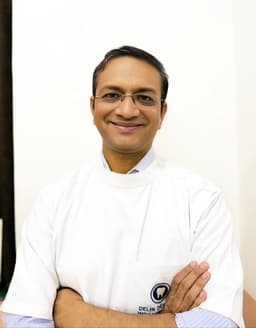
Dr. Jalaj Tak
Cuidados Dentários
Delhi ENT Hospital And Research Centre, Jasola, Delhi
Dr. Jalaj Tak é um dos principais dentistas de Delhi, com mais de 23 anos de experiência, especializado em implantes dentários e cirurgias odontológicas no Delhi ENT Hospital.

Dra. Neetika Jain
Cuidados Dentários
Concern32 Advanced Dental Implants & Hair Clinic, Gurugram
A cirurgiã dentária de referência Dra. Neetika Jain, da Concern32 Gurugram, oferece implantes dentários e tratamentos de canal de classe mundial e acessíveis para pacientes internacionais.
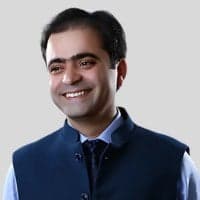
Dr. Aman Ahuja
Cuidados Dentários
Cosmodent India, Gurugram
Dr. Aman Ahuja, implantologista de referência e especialista em odontologia estética em Gurugram, oferece implantes dentários de classe mundial, transformações do sorriso e reabilitação oral completa a preços acessíveis para pacientes internacionais.
Resultados Esperados e o Que Significa o Sucesso
Cronograma de Recuperação e Acompanhamento
A aptidão para voar e os limites de atividade são específicos do centro.
Com Que Rapidez Posso Começar?
Segunda Opinião
12-48 horas
Normalmente recebida após partilhar relatórios médicos.
Agendamento
1-2 dias úteis
Dependendo da disponibilidade do especialista
Carta Convite para Visto (VIL)
1-2 dias úteis
emitida prontamente para apoiar a sua aplicação de visto médico.
Custos e o Que Afeta o Seu Orçamento
Esta página fornece uma visão geral dos custos típicos e fatores influenciadores. Um orçamento personalizado é partilhado após uma revisão médica dos seus relatórios — por favor, contacte-nos para solicitar o seu orçamento individual.
Como a VRH Healthcare Ajuda
A VRH Healthcare não é um hospital. Atuamos como seu parceiro de facilitação médica e navegação do paciente, ajudando-o a tomar decisões informadas e a progredir sem problemas no tratamento na Índia.
Serviços para Pacientes Internacionais
A Sua Jornada de Cuidados com a VRH
Um guia simplificado passo a passo para a sua experiência de tratamento.
Partilhar relatórios médicos
Receber uma segunda opinião especializada e orçamento indicativo
Planear viagem, visto e consultas
Tratamento com coordenação no local
Alta e acompanhamentos telefónicos contínuos
Partilhar relatórios médicos
Receber uma segunda opinião especializada e orçamento indicativo
Planear viagem, visto e consultas
Tratamento com coordenação no local
Alta e acompanhamentos telefónicos contínuos
Onde Servimos: Países Que Apoiamos
Médio Oriente
Apoio linguístico, assistência com vistos e planeamento coordenado de cuidados para cirurgia oral.
África
Apoio para revisão de diagnósticos, planeamento de viagens e acompanhamento pós-tratamento.
Ásia Central e CEI
Serviços de interpretação e coordenação hospitalar para cuidados dentários cirúrgicos.
Sul da Ásia
Acesso rápido a opiniões, agendamento e continuidade dos cuidados.
Reino Unido e EUA
Segundas opiniões, planeamento sensível ao custo e acompanhamentos telefónicos pós-regresso.
Outros Países
Apoio personalizado com base nas necessidades individuais de viagem e cuidados.