
TURP Surgery in India: Effective Treatment for Enlarged Prostate (BPH)
Get treated by experienced urologists using advanced minimally invasive techniques. VRH Healthcare ensures complete support for international patients—from consultation to recovery.
Verified Hospitals
JCI & NABH Accredited Centres only.
Zero Wait Time
Priority appointments for international patients.
Understanding Transurethral Resection of the Prostate (TURP) in India
Transurethral Resection of the Prostate (TURP) is a widely recognised and highly effective surgical procedure for men experiencing moderate to severe urinary symptoms caused by an enlarged prostate, a condition medically known as Benign Prostatic Hyperplasia (BPH). When the prostate gland grows, it can obstruct the urethra, leading to difficulties with urination. TURP involves the precise removal of this excess prostate tissue using a specialised instrument called a resectoscope, which is inserted through the urethra. This minimally invasive approach helps restore normal urine flow and significantly improves quality of life. In India, leading urology centres offer advanced TURP techniques, performed by highly skilled surgeons. VRH Healthcare acts as your dedicated medical facilitation and patient-navigation partner, ensuring you access the best possible care and support throughout your entire treatment journey in India.
Types / Variants of Transurethral Resection of the Prostate (TURP)
While the core principle of TURP remains consistent, advancements in surgical technology have led to different approaches, primarily distinguished by the energy source used for tissue resection. Your urologist will recommend the most suitable variant based on your prostate size, overall health, and specific clinical needs.
Monopolar TURP
This traditional method uses a single electrode and an electrical current to cut and coagulate prostate tissue, requiring a non-conductive irrigation fluid.
Bipolar TURP
A more modern technique employing two electrodes, allowing for the use of saline (saltwater) as an irrigation fluid, reducing risks like TUR syndrome.
Transurethral Incision of the Prostate (TUIP)
A less invasive option for smaller prostates, involving small incisions in the prostate and bladder neck to widen the urethra without removing tissue.
The choice of technique depends on prostate size, patient health, and surgeon expertise.
Technology & Techniques
Modern urology departments in India are equipped with state-of-the-art technology to ensure precise and safe Transurethral Resection of the Prostate (TURP). These advanced tools enhance surgical visibility, control, and patient safety, contributing to better outcomes.
Benefits
- Highly Effective Symptom Relief: Provides significant and lasting improvement in urinary flow, reducing urgency, frequency, and night-time urination.
- Improved Quality of Life: Alleviates discomfort and inconvenience associated with BPH, allowing a return to normal daily activities and better sleep.
- Minimally Invasive: Performed through the urethra without external incisions, leading to less pain and a quicker initial recovery compared to open surgery.
- Well-Established Procedure: TURP has a long history of success and is considered the gold standard for surgical treatment of moderate to severe BPH.
- Reduced Risk of Complications: Modern bipolar TURP techniques have significantly lowered the risk of complications like "TUR syndrome" compared to older methods.
Limitations
- Risk of Retrograde Ejaculation: A common side effect where semen flows backward into the bladder during orgasm, though it is not harmful.
- Potential for Bleeding: As with any surgery, there is a risk of bleeding, which may require a blood transfusion in rare cases.
- Risk of Infection: Urinary tract infections can occur post-surgery, typically managed with antibiotics.
- Temporary Catheterisation: A urinary catheter is usually required for 1-3 days post-procedure, which can cause temporary discomfort.
- Possibility of Re-treatment: While effective, a small percentage of patients may require further treatment years later if prostate tissue regrows.
- Not Suitable for All Prostate Sizes: For very large prostates, other procedures like open prostatectomy or HoLEP might be more appropriate.
Diagnostics & Pre-Arrival Work-Up
Pre-Arrival & Travel Checklist for TURP in India
How the Procedure is Done (Step-by-Step)
Anaesthesia
You will receive either general anaesthesia (fully asleep) or spinal anaesthesia (numb from the waist down) to ensure comfort throughout the procedure, as determined by your anaesthesiologist.
Resectoscope Insertion
A thin, lighted tube called a resectoscope is carefully inserted through the urethra into the bladder, allowing the surgeon to visualise the enlarged prostate gland.
Tissue Resection
Using an electrical loop on the resectoscope, the surgeon precisely shaves away the excess prostate tissue that is blocking urine flow, piece by piece, creating a wider channel.
Haemostasis & Irrigation
Bleeding vessels are sealed using electrocautery to minimise blood loss. Continuous irrigation fluid flushes the resected tissue fragments into the bladder for removal.
Catheter Insertion
A temporary catheter is placed in the bladder to drain urine and flush out any remaining blood or tissue fragments, typically for 1-3 days post-surgery.
Top Specialists for Urology
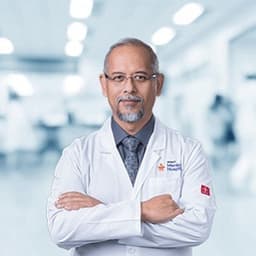
Dr. Sanjay Gogoi
Urology
Medanta - The Medicity, Gurugram
Dr. Sanjay Gogoi, top Gurugram urologist with 25+ years, specializes in kidney transplants,TUIP etc at Medanta.
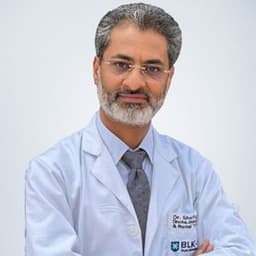
Dr. Shafiq Ahmed
Urology
BLK-Max Super Speciality Hospital, New Delhi
Dr. Shafiq Ahmed, top Delhi urologist with 20+ years, specializes in robotic kidney transplants, and complex procedures at BLK-Max.
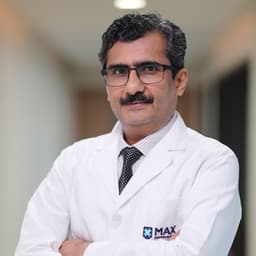
Dr. Amit K Devra
Urology
Max Super Speciality Hospital, Noida
Dr. Amit K Devra, top Noida urologist with 25+ years, specializes in robotic kidney transplants & infertility treatments at Max.
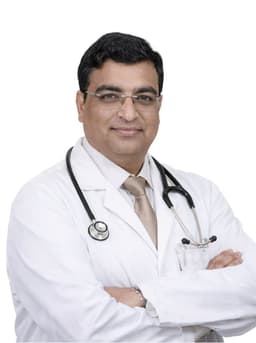
Dr. Rajesh Taneja
Urology
Indraprastha Apollo Hospital, New Delhi
Dr. Rajesh Taneja is an AIIMS-trained urologist at Apollo Delhi with 39+ years’ experience in HoLEP, stone surgery and robotic urology.
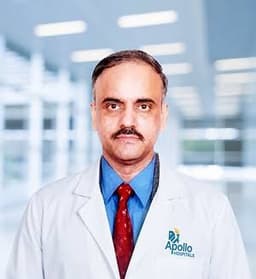
Dr Sandeep Guleria
Urology
Indraprastha Apollo Hospitals, New Delhi
Dr Sandeep Guleria is a Padma Shri kidney transplant surgeon at Apollo Delhi with 33+ years’ experience in living, ABO-incompatible and repeat transplants.
Expected Outcomes & What Success Means
Recovery & Follow-Up Timeline
Fitness to fly and activity limits are centre-specific and should be discussed with your surgeon.
How Quickly Can I Start?
Second Opinion
12-48 hours
Typically received after sharing medical reports.
Scheduling
1-2 working days
Depending upon the availability of the specialist
Visa Invitation Letter (VIL)
1-2 working days
issued promptly to support your medical visa application.
Costs & What Affects Your Estimate
This page provides an overview of typical costs and influencing factors. A personalised cost estimate is shared after a medical review of your reports—please contact us to request your individual estimate.
How VRH Healthcare Helps
VRH Healthcare is not a hospital. We act as your dedicated medical facilitation and patient-navigation partner, committed to helping you make informed decisions and move smoothly through your Transurethral Resection of the Prostate (TURP) care in India. Our comprehensive services are designed to support you at every stage.
International Patient Services
Your Care Journey with VRH
A simplified step-by-step guide to your treatment experience.
Share medical reports
Receive an expert second opinion and indicative estimate
Plan travel, visa, and appointments
Treatment with on-ground coordination
Discharge and ongoing tele-follow-ups
Share medical reports
Receive an expert second opinion and indicative estimate
Plan travel, visa, and appointments
Treatment with on-ground coordination
Discharge and ongoing tele-follow-ups
Where We Serve: Countries We Support
Middle East
Language support, visa assistance, and coordinated care planning for prostate surgery, ensuring cultural sensitivity and seamless communication.
Africa
Support for diagnostics review, travel planning, and post-treatment follow-up, addressing unique logistical challenges.
Central Asia & CIS
Interpretation services and hospital coordination for surgical care, bridging language barriers and cultural differences.
South Asia
Quick access to expert opinions, efficient scheduling, and continuity of care, leveraging regional proximity and understanding.
U.K. & USA
Specialised services for second opinions, cost-sensitive planning, and post-return tele-follow-ups, offering high-quality care at competitive prices.
Other Countries
Customised support based on individual travel and care needs, ensuring every patient receives personalised attention regardless of origin.