
تكميم المعدة الآمن والفعال في الهند لفقدان الوزن على المدى الطويل
حقق فقدانًا مستدامًا للوزن من خلال جراحة السمنة المتقدمة في الهند. تربط VRH Healthcare المرضى الدوليين بجراحين ذوي خبرة ومستشفيات حديثة ودعم علاجي كامل.
مستشفيات معتمدة
مراكز معتمدة من JCI وNABH فقط.
بدون وقت انتظار
مواعيد ذات أولوية للمرضى الدوليين.
فهم عملية تكميم المعدة في الهند
تكميم المعدة هي جراحة سمنة عالية الفعالية تُجرى في الهند لمساعدة الأفراد على تحقيق فقدان وزن كبير ودائم. تتضمن هذه العملية إزالة جراحية لحوالي 75-80% من المعدة، مما يخلق 'كمًا' أصغر على شكل أنبوب. تحد سعة المعدة المخفضة من تناول الطعام، بينما تؤثر أيضًا على الهرمونات المنظمة للجوع، مما يؤدي إلى انخفاض الشهية. إنها حل رئيسي للمرضى الذين يعانون من السمنة المفرطة الشديدة والحالات الصحية المرتبطة بها، مما يوفر طريقًا لتحسين الصحة ونوعية الحياة.
أنواع / أشكال عملية تكميم المعدة
تكميم المعدة بالمنظار
النهج الأكثر شيوعًا والأقل توغلاً، باستخدام شقوق صغيرة لتعافٍ أسرع وتقليل الندوب.
تكميم المعدة بمساعدة الروبوت
يستخدم أنظمة روبوتية لتعزيز الدقة والبراعة والتصوير ثلاثي الأبعاد، خاصة للحالات المعقدة.
تكميم المعدة بالمنظار بشق واحد (SILS)
تُجرى من خلال شق صغير واحد، غالبًا في السرة، بهدف تقليل الندوب المرئية.
تكميم المعدة على مراحل
تُجرى أحيانًا كخطوة أولى في إجراء جراحة سمنة من جزأين للمرضى ذوي المخاطر العالية للغاية.
يشرح جراحك سبب التوصية بنهج معين لك.
التقنيات والأساليب
تستخدم المستشفيات الرائدة في الهند أحدث التقنيات لضمان الدقة والسلامة والنتائج المثلى لإجراءات تكميم المعدة. قد تشمل هذه التقنيات:
الفوائد
- فقدان وزن كبير: يحقق المرضى عادةً انخفاضًا كبيرًا ومستدامًا في وزن الجسم الزائد.
- تحسن الحالات الصحية: غالبًا ما يؤدي إلى حل أو تحسن كبير في حالات مثل السكري من النوع 2 وارتفاع ضغط الدم وانقطاع التنفس أثناء النوم وآلام المفاصل.
- تقليل الجوع: إزالة قاع المعدة (الجزء العلوي من المعدة) يقلل من إنتاج هرمون الغريلين، وهو هرمون محفز للجوع.
- أقل توغلاً: تُجرى عادةً بالمنظار، مما يؤدي إلى شقوق أصغر وألم أقل وتعافٍ أسرع مقارنة بالجراحة المفتوحة.
- لا يوجد جسم غريب: على عكس ربط المعدة، لا يترك أي جهاز قابل للزرع في الجسم.
- أبسط من تحويل المسار: تُعتبر عمومًا أقل تعقيدًا من تحويل مسار المعدة، مع عدد أقل من المضاعفات الغذائية المحتملة على المدى الطويل.
القيود
- إجراء لا رجعة فيه: يتم إزالة جزء من المعدة بشكل دائم، مما يجعل الإجراء غير قابل للعكس.
- احتمال حدوث مضاعفات: تشمل المخاطر تسربات خط الدبابيس، والنزيف، والعدوى، والجلطات الدموية، والتضيقات.
- نقص المغذيات: يتطلب تناول مكملات الفيتامينات والمعادن مدى الحياة لمنع النقص.
- الارتجاع الحمضي: يمكن أن يؤدي أحيانًا إلى تفاقم أو ظهور جديد لمرض الارتجاع المعدي المريئي (GERD).
- احتمال استعادة الوزن: يعتمد النجاح على المدى الطويل بشكل كبير على التغييرات المستمرة في نمط الحياة والنظام الغذائي؛ من الممكن استعادة الوزن.
- غير مناسب للجميع: قد لا يكون الخيار الأمثل للمرضى الذين يعانون من ارتجاع حمضي شديد أو بعض الحالات الأيضية المعقدة.
التشخيصات والفحوصات قبل الوصول
قائمة التحقق قبل الوصول والسفر
كيف تتم العملية (خطوة بخطوة)
التحضير قبل الجراحة
يخضع المرضى للفحوصات الطبية النهائية، ويتلقون التخدير، ويتم تعقيم المنطقة الجراحية قبل بدء الإجراء.
الشق والوصول
عادةً، يتم إجراء 4-5 شقوق صغيرة في البطن. تُدخل أدوات المنظار وكاميرا لتصوير تجويف البطن.
استئصال المعدة
يتم إدخال أنبوب قياس في المعدة، ويستخدم جهاز تدبيس جراحي لتقسيم وإزالة حوالي 75-80% من المعدة على طول انحنائها الأكبر.
اختبار التسرب والإغلاق
يتم فحص كم المعدة المشكل حديثًا بعناية بحثًا عن أي تسربات باستخدام صبغة أو اختبار هواء. ثم تُغلق الشقوق بالخيوط الجراحية أو الغراء الجراحي.
المراقبة بعد الجراحة
بعد الجراحة، يُنقل المريض إلى غرفة الإفاقة للمراقبة الدقيقة أثناء استيقاظه من التخدير، ثم يُنقل إلى غرفة المستشفى.
أفضل الأطباء المتخصصين في أمراض الجهاز الهضمي وجراحة السمنة
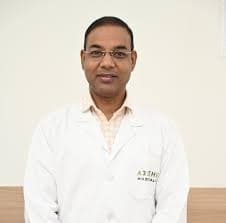
الدكتور بيمال كومار ساهو
أمراض الجهاز الهضمي وجراحة السمنة
مستشفى أرتيميس، جوروجرام
الدكتور بيمال كومار ساهو هو استشاري أول في أمراض الجهاز الهضمي في مستشفى أرتيميس، جوروجرام، ويتمتع بخبرة تزيد عن 15 عامًا. خبير في ERCP وEUS وأمراض الكبد وحالات الطوارئ الهضمية.
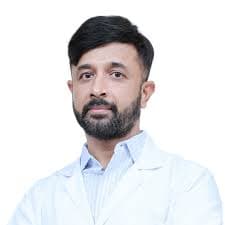
الدكتور (بروفيسور) أميت جاويد
أمراض الجهاز الهضمي وجراحة السمنة
معهد فورتيس التذكاري للأبحاث، جوروجرام
الدكتور أميت جاويد هو أحد أبرز جرّاحي الجهاز الهضمي وأورام الجهاز الهضمي في مستشفى فورتيس FMRI جوروجرام، بخبرة تزيد عن 25 عامًا في جراحات السرطان، والجراحة الروبوتية، وجراحة السمنة.
النتائج المتوقعة وما يعنيه النجاح
التعافي والجدول الزمني للمتابعة
تختلف أهلية الطيران وحدود النشاط حسب المركز.
ما مدى سرعة البدء؟
رأي ثانٍ
12-48 hours
يتم استلامه عادة بعد مشاركة التقارير الطبية.
الجدولة
1-2 working days
حسب توفر الأخصائي
خطاب دعوة التأشيرة (VIL)
1-2 working days
يصدر على الفور لدعم طلب تأشيرتك الطبية.
التكاليف وما يؤثر على تقديرك
تقدم هذه الصفحة نظرة عامة على التكاليف النموذجية والعوامل المؤثرة. يتم مشاركة تقدير التكلفة المخصص بعد مراجعة طبية لتقاريرك — يرجى الاتصال بنا لطلب تقديرك الفردي.
كيف تساعد VRH Healthcare
VRH Healthcare ليست مستشفى. نحن نعمل كشريكك في التسهيلات الطبية وتوجيه المرضى، مما يساعدك على اتخاذ قرارات مستنيرة والتنقل بسلاسة عبر الرعاية في الهند.
خدمات المرضى الدوليين
رحلة رعايتك مع VRH
دليل مبسط خطوة بخطوة لتجربة علاجك.
شارك التقارير الطبية
احصل على رأي ثانٍ من خبير وتقدير إرشادي
خطط للسفر والتأشيرة والمواعيد
العلاج مع التنسيق على الأرض
الخروج من المستشفى والمتابعات المستمرة عن بعد
شارك التقارير الطبية
احصل على رأي ثانٍ من خبير وتقدير إرشادي
خطط للسفر والتأشيرة والمواعيد
العلاج مع التنسيق على الأرض
الخروج من المستشفى والمتابعات المستمرة عن بعد
أين نخدم: الدول التي ندعمها
الشرق الأوسط
دعم لغوي، مساعدة في التأشيرة، وتخطيط رعاية منسق لجراحة البروستاتا.
أفريقيا
دعم لمراجعة التشخيصات، تخطيط السفر، والمتابعة بعد العلاج.
آسيا الوسطى ورابطة الدول المستقلة
خدمات الترجمة الفورية وتنسيق المستشفى للرعاية الجراحية.
جنوب آسيا
وصول سريع إلى الآراء، الجدولة، واستمرارية الرعاية.
المملكة المتحدة والولايات المتحدة الأمريكية
آراء ثانية، تخطيط حساس للتكلفة، ومتابعات عن بعد بعد العودة.
دول أخرى
دعم مخصص بناءً على احتياجات السفر والرعاية الفردية.