
Advanced Skin Cancer Treatment in India for International Patients
Access personalised treatment for melanoma, basal cell carcinoma, and squamous cell carcinoma in India. VRH Healthcare connects you with leading oncology specialists, modern therapies, and comprehensive international patient support.
Verified Hospitals
JCI & NABH Accredited Centres only.
Zero Wait Time
Priority appointments for international patients.
Understanding Skin Cancer Treatment in India
Skin cancer treatment in India involves a sophisticated array of medical and surgical interventions designed to eliminate cancerous cells originating from the skin. This critical field addresses various types, from the highly prevalent basal cell carcinoma (BCC) and squamous cell carcinoma (SCC) to the more aggressive and potentially life-threatening melanoma. The approach to treatment is always highly personalised, meticulously tailored to the specific type, stage, size, and location of the cancer, as well as the patient's overall health and preferences. India's advanced medical infrastructure, coupled with experienced dermatologic oncology teams, offers world-class care. VRH Healthcare serves as your dedicated medical facilitation and patient-navigation partner, simplifying access to these premier facilities and expert oncologists, ensuring you receive comprehensive, coordinated care from your initial consultation through to long-term follow-up.
Types / Variants of Skin Cancer Treatment
Surgical Excision
The primary method for many skin cancers, involving precise removal of the tumour along with a surrounding margin of healthy tissue to ensure complete eradication.
Mohs Micrographic Surgery
A highly specialised technique for removing skin cancers layer by layer, examining each under a microscope until no cancer cells remain, preserving maximum healthy tissue. Ideal for cosmetically sensitive areas.
Radiation Therapy
Utilises high-energy beams to destroy cancer cells or shrink tumours. Often used for patients who cannot undergo surgery, or as an adjuvant therapy after surgery to reduce recurrence risk.
Chemotherapy (Topical/Systemic)
Topical chemotherapy creams are applied directly to superficial skin cancers. Systemic chemotherapy, administered orally or intravenously, targets widespread or advanced skin cancers.
Immunotherapy
A groundbreaking treatment that harnesses the body's own immune system to recognise and fight cancer cells. Particularly effective for advanced melanoma, offering durable responses.
Targeted Therapy
Drugs specifically designed to attack cancer cells with certain genetic mutations or protein expressions, minimising harm to healthy cells. Used for specific types of advanced melanoma.
Photodynamic Therapy (PDT)
Involves applying a light-sensitive drug to the skin, which is then activated by a special light source to destroy precancerous cells and some superficial skin cancers.
Your surgeon explains why a particular approach is recommended for you.
Technology & Techniques
In India, Skin Cancer Treatment may be performed using:
Benefits
- High Cure Rates: For early-stage skin cancers, treatments like surgical excision and Mohs surgery offer excellent cure rates, often exceeding 95%.
- Minimally Invasive Options: Many superficial skin cancers can be treated with less invasive methods, leading to quicker recovery and reduced scarring.
- Improved Cosmetic Outcomes: Advanced surgical techniques and reconstructive options aim to minimise visible scarring, especially on the face and other prominent areas.
- Effective for Advanced Disease: For more aggressive or metastatic cancers, systemic therapies like immunotherapy and targeted therapy offer significant improvements in survival and quality of life.
- Personalised Treatment Plans: Each patient receives a tailored treatment strategy based on their specific cancer type, stage, and individual health profile.
- Comprehensive Multidisciplinary Care: Access to teams of dermatologists, oncologists, surgeons, and pathologists ensures a holistic and well-coordinated approach to care.
Limitations
- Potential for Scarring: Surgical removal, while effective, can leave scars, which may require cosmetic revision or impact body image, depending on location.
- Risk of Recurrence: Despite successful initial treatment, some skin cancers, particularly melanoma, have a risk of recurring locally or spreading to distant sites.
- Side Effects of Systemic Therapies: Immunotherapy and chemotherapy can cause significant side effects, including fatigue, nausea, skin rashes, and immune-related adverse events.
- Recovery Period: Depending on the extent of treatment, patients may experience pain, swelling, and activity restrictions during the recovery phase, impacting daily life.
- Need for Ongoing Surveillance: Lifelong follow-up appointments and regular self-skin examinations are crucial to monitor for new lesions or recurrence, requiring patient commitment.
- Complexity of Advanced Cases: Treating advanced or metastatic skin cancer can be challenging, often requiring multiple modalities and ongoing management, which can be emotionally and physically demanding.
Diagnostics & Pre-Arrival Work-Up
Pre-Arrival & Travel Checklist
How the Procedure is Done (Step-by-Step)
Initial Consultation & Comprehensive Diagnosis
Your journey begins with a thorough review of your medical history and a physical examination by a specialist. A skin biopsy is performed, and the tissue is sent for detailed histopathological analysis to confirm the cancer type and characteristics.
Advanced Staging & Multidisciplinary Treatment Planning
If cancer is confirmed, further imaging (like CT, MRI, or PET-CT) or sentinel lymph node biopsy may be conducted to determine the exact stage and spread. A team of experts then collaborates to formulate your personalised treatment strategy.
Execution of Tailored Treatment
The chosen treatment, whether it's surgical excision, Mohs micrographic surgery, radiation therapy, chemotherapy, immunotherapy, or targeted therapy, is meticulously carried out by highly skilled oncologists or dermatologic surgeons.
Post-Procedure Care & Immediate Monitoring
Following the procedure, you will receive detailed instructions for wound care, pain management, and monitoring for any potential complications. Hospital staff will ensure your comfort and provide necessary support during your recovery.
Long-Term Follow-up & Surveillance Programme
Regular follow-up appointments are crucial to monitor your healing progress, assess treatment effectiveness, and detect any signs of recurrence or new lesions early. This ongoing surveillance is a vital part of your long-term care.
Top Specialists for Oncology
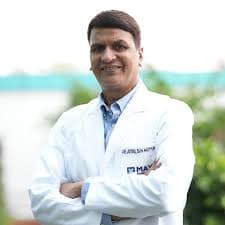
Prof. (Dr.) Atul Sharma
Oncology
Max Super Speciality Hospital, Saket, New Delhi
Prof. Atul Sharma, a leading medical oncologist with 27+ years of experience, former AIIMS Professor, specializes in chemotherapy, targeted therapy, and immunotherapy at Max Super Speciality Hospital, Saket.
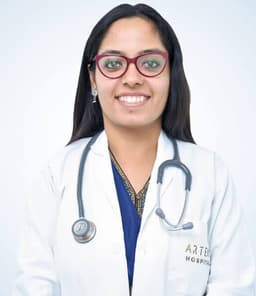
Dr. Priya Tiwari
Oncology
Medanta - The Medicity, Gurugram
Dr. Priya Tiwari, Cancer Specialist in Delhi and Gurgaon, specializes in chemotherapy, immunotherapy, and targeted therapy at Medanta - The Medicity, Gurugram.
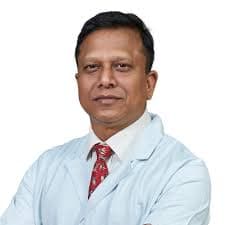
Dr. Amal Roy Chaudhoory
Oncology
Fortis Memorial Research Institute, Gurugram
Dr. Amal Roy Chaudhoory, Director of Radiation Oncology at Fortis Hospital, Gurugram with 23+ years expertise in precision radiotherapy and cancer care.
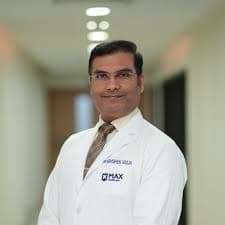
Dr. Abhishek Gulia
Oncology
Max Super Speciality Hospital, Noida
Dr. Abhishek Gulia, Harvard-trained Director of Radiation Oncology at Max Super Speciality Hospital, Noida, specializes in SRS/SBRT and precision cancer care with 17+ years of experience.
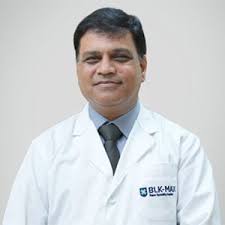
Dr. Rajesh Kumar Jain
Oncology
BLK-Max Super Speciality Hospital, New Delhi
Dr. Rajesh Kumar Jain, Senior Surgical Oncologist at BLK-Max Delhi with 32+ years’ experience, specializes in complex cancer surgeries and advanced oncology procedures.
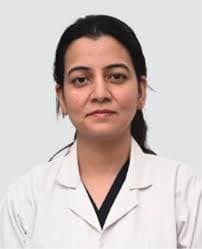
Dr. Priyanka Raina
Oncology
Artemis Hospital, Gurugram
Dr. Priyanka Raina, Head & Neck Oncologist at Artemis Hospital, Gurugram with 15+ years expertise in oral, thyroid & skull base cancer surgery and microvascular reconstruction.
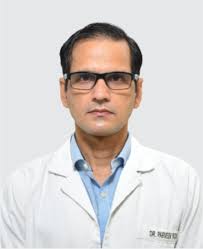
Dr. Parveen Yadav
Oncology
Artemis Hospital, Gurugram
Dr. Parveen Yadav, leading thoracic oncologist at Artemis Gurugram with 17+ years’ experience in lung & esophageal cancer surgery and minimally invasive VATS.
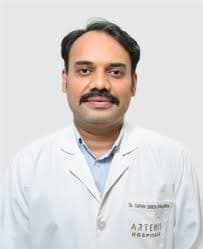
Dr. Tapan Singh Chauhan
Oncology
Artemis Hospital, Gurugram
Dr. Tapan Singh Chauhan, Surgical Oncologist at Artemis Gurugram, specializes in GI, HPB, robotic oncology, CRS & HIPEC with advanced global training.
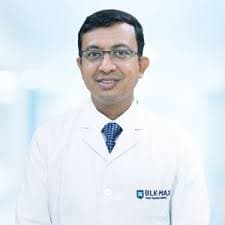
Dr. Manish Jain
Oncology
BLK-Max Super Speciality Hospital, New Delhi
Dr. Manish Jain, leading GI & HPB Oncosurgeon in Delhi, specializes in robotic GI cancer surgery, HIPEC & advanced minimally invasive cancer treatments.
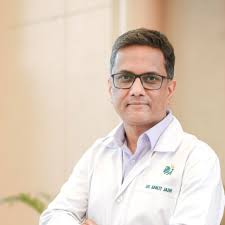
Dr. Ankit Jain
Oncology
Indraprastha Apollo Hospital, New Delhi
Dr. Ankit Jain, UK-trained Medical Oncologist at Apollo Delhi, expert in Immunotherapy & Precision Oncology. 25+ years experience. Consult through VRH Healthcare.
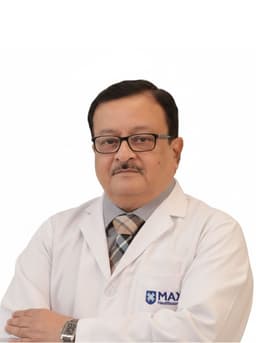
Dr. Prof. S.V.S. Deo
Oncology
Max Super Speciality Hospital, Saket, New Delhi
Dr. Prof. S.V.S. Deo is a senior surgical oncologist in Delhi with 35+ years experience. Expert in breast cancer, GI cancer, HIPEC & complex oncology surgery.
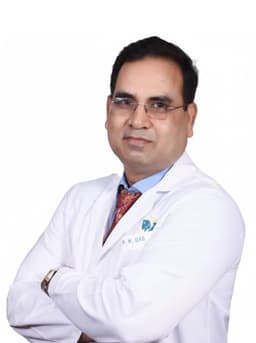
Dr. P. K. Das
Oncology
Indraprastha Apollo Hospital, New Delhi
Dr. P. K. Das, is a senior medical oncologist and haemato-oncologist at Apollo Cancer Institute, Delhi, with 21+ years’ experience in chemotherapy, targeted therapy, immunotherapy, and blood cancer care.
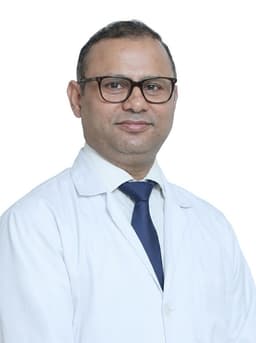
Dr. Chandragouda Dodagoudar
Oncology
BLK-Max Super Speciality Hospital, New Delhi
Dr. Chandragouda Dodagoudar is Senior Director of Medical Oncology at BLK-Max with 19+ years’ experience in chemotherapy and targeted therapy.
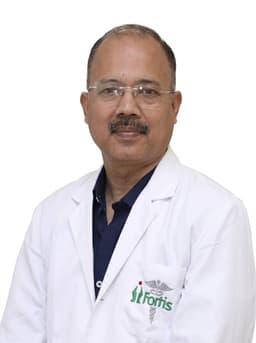
Dr. Biswajyoti Hazarika
Oncology
Fortis Memorial Research Institute, Gurugram
Dr. Biswajyoti Hazarika is Principal Director of Head & Neck Surgical Oncology at Fortis Gurugram with 30+ years’ experience in complex cancer surgery.

Dr. Mukesh Patekar
Oncology
BLK-Max Super Speciality Hospital, New Delhi
Dr. Mukesh Patekar is an AIIMS-trained medical oncologist at BLK-Max Delhi specialising in solid cancers, blood cancers and stem cell transplant.

Dr. Vinod Raina
Oncology
Fortis Memorial Research Institute, Gurugram
Dr. Vinod Raina is Chairman of Oncosciences at Fortis Gurgaon with 40+ years’ experience in cancer care and 400 stem cell transplants.

Dr. Surender Kumar Dabas
Oncology
Manipal Hospital, Dwarka, New Delhi
Dr. Surender Dabas is Chairman of Cancer & Robotic Surgery at Manipal Dwarka with 22+ years’ experience and 4,000+ robotic cancer surgeries.
Expected Outcomes & What Success Means
Recovery & Follow-Up Timeline
Fitness to fly and activity limits are centre-specific.
How Quickly Can I Start?
Second Opinion
12-48 hours
Typically received after sharing medical reports.
Scheduling
1-2 working days
Depending upon the availability of the specialist
Visa Invitation Letter (VIL)
1-2 working days
issued promptly to support your medical visa application.
Costs & What Affects Your Estimate
This page provides an overview of typical costs and influencing factors. A personalised cost estimate is shared after a medical review of your reports—please contact us to request your individual estimate.
How VRH Healthcare Helps
VRH Healthcare is not a hospital. We act as your medical facilitation and patient-navigation partner, helping you make informed decisions and move smoothly through care in India.
International Patient Services
Your Care Journey with VRH
A simplified step-by-step guide to your treatment experience.
Share medical reports
Receive an expert second opinion and indicative estimate
Plan travel, visa, and appointments
Treatment with on-ground coordination
Discharge and ongoing tele-follow-ups
Share medical reports
Receive an expert second opinion and indicative estimate
Plan travel, visa, and appointments
Treatment with on-ground coordination
Discharge and ongoing tele-follow-ups
Where We Serve: Countries We Support
Middle East
Language support, visa assistance, and coordinated care planning for skin cancer treatment.
Africa
Support for diagnostics review, travel planning, and post-treatment follow-up for skin cancer.
Central Asia & CIS
Interpretation services and hospital coordination for dermatologic oncology care.
South Asia
Quick access to opinions, scheduling, and continuity of care for skin cancer patients.
U.K. & USA
Second opinions, cost-sensitive planning, and post-return tele-follow-ups for skin cancer.
Other Countries
Customised support based on individual travel and care needs for skin cancer treatment.