
Corneal Transplant in India
VRH Healthcare helps international patients access experienced cornea specialists, advanced keratoplasty techniques, and cost-effective corneal transplant surgery in India.
Verified Hospitals
JCI & NABH Accredited Centres only.
Zero Wait Time
Priority appointments for international patients.
Understanding Corneal Transplant in India
Corneal transplant in India is a preferred option for international patients due to experienced cornea specialists, advanced keratoplasty techniques, and significantly lower treatment costs compared to Western countries. A corneal transplant, also known as keratoplasty, is a surgical procedure in which damaged or diseased corneal tissue is replaced with healthy donor tissue to restore vision and relieve pain. The cornea plays a critical role in focusing light, and conditions such as corneal scarring, keratoconus, infections, or endothelial failure can severely impair eyesight. In India, modern techniques such as DMEK, DSEK, DALK, and full-thickness keratoplasty are performed following international eye-care standards. VRH Healthcare supports patients by facilitating expert opinions, hospital selection, cost estimates, surgery coordination, and long-term follow-up care.
Types / Variants of Corneal Transplant in India
Different types of corneal transplant are recommended based on the depth of corneal damage, underlying eye disease, and endothelial involvement.
Penetrating Keratoplasty (PK)
This traditional method involves removing the full thickness of the damaged cornea and replacing it with a precisely sized, healthy donor cornea, secured with fine sutures. It's effective for deep corneal damage.
Deep Anterior Lamellar Keratoplasty (DALK)
Only the diseased front layers of the cornea are replaced, preserving the patient's healthy inner endothelial layer. This technique reduces the risk of endothelial rejection, offering a faster recovery for suitable cases.
Descemet's Stripping Endothelial Keratoplasty (DSEK/DSAEK)
This procedure specifically replaces the diseased inner endothelial layer of the cornea. A thin disc of donor tissue, including the endothelium, is inserted and adheres to the back of the patient's cornea, restoring clarity.
Descemet's Membrane Endothelial Keratoplasty (DMEK)
A highly refined technique where an ultra-thin layer of donor Descemet's membrane and endothelium is transplanted. It offers excellent visual outcomes and faster recovery due to minimal tissue manipulation.
Your surgeon explains why a particular approach is recommended for you.
Advanced Corneal Transplant Techniques in India
In India, Corneal Transplant may be performed using:
Benefits
- Significant vision improvement for many patients.
- Relief from pain and discomfort caused by corneal disease.
- Restoration of corneal clarity and structural integrity.
- Potential to prevent further vision loss or blindness.
- Improved quality of life and independence.
Limitations
- Risk of graft rejection, requiring ongoing medication.
- Potential for infection or other surgical complications.
- Recovery can be lengthy, with gradual vision improvement.
- Need for lifelong follow-up and eye care.
- Availability of suitable donor corneas can vary.
Diagnostics & Pre-Arrival Work-Up
Pre-Arrival & Travel Checklist
How the Procedure is Done (Step-by-Step)
Pre-operative Preparation
Before surgery, the patient's eye is prepared with anaesthetic drops or injection, and the surrounding area is sterilised. The surgeon meticulously verifies the donor cornea's suitability and prepares the surgical field.
Cornea Removal
Depending on the transplant type, the surgeon carefully removes either the full thickness or specific diseased layers of the patient's cornea using specialised instruments, ensuring precision and minimal trauma.
Donor Cornea Placement
The healthy donor corneal tissue, which has been precisely sized and prepared, is then carefully positioned onto the recipient's eye. It is meticulously aligned to ensure optimal fit and function.
Suturing and Dressing
For full-thickness transplants, fine sutures are used to secure the donor cornea. For partial-thickness procedures, air or gas bubbles may help adhesion. A protective shield is then applied.
Post-operative Care
Patients receive detailed instructions on post-operative care, including a schedule for various eye drops to prevent infection and rejection. Regular follow-up appointments are crucial for monitoring healing progress.
Top Specialists for Ophthalmology

Dr. Anita Sethi
Ophthalmology
Max Super Speciality Hospital, Saket, New Delhi
Dr. Anita Sethi, top ophthalmologist in Delhi with 35+ years, specializes in Lasik, cataract, and oculoplastic surgeries at Max Multi Speciality Centre.
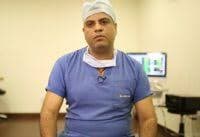
Dr. Suraj Munjal
Ophthalmology
The Sight Avenue, New Delhi
Dr. Suraj Munjal, leading Delhi ophthalmologist with 20+ years, excels in LASIK, cataract, and corneal transplants at The Sight Avenue.

Dr. Parul Maheshwari Sharma
Ophthalmology
Fortis Memorial Research Institute, Gurugram
Dr. Parul Sharma, top Gurugram ophthalmologist with 25+ years, excels in Lasik, cataract, and glaucoma care at FMRI.
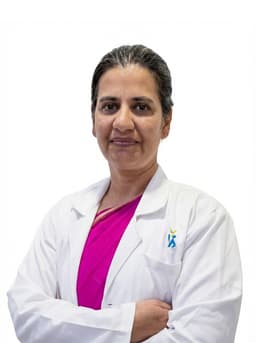
Dr. Uma Mallaiah
Ophthalmology
Indraprastha Apollo Hospital, New Delhi
Dr. Uma Mallaiah is a senior ophthalmologist at Apollo Delhi with 23+ years experience in cataract, glaucoma, LASIK and oculoplasty eye surgery.
Expected Outcomes & What Success Means
Recovery & Follow-Up Timeline
Fitness to fly and activity limits are centre-specific.
How Quickly Can I Start?
Second Opinion
12-48 hours
Typically received after sharing medical reports.
Scheduling
1-2 working days
Depending upon the availability of the specialist
Visa Invitation Letter (VIL)
1-2 working days
issued promptly to support your medical visa application.
Cost of Corneal Transplant in India
This page provides an overview of typical costs and influencing factors. A personalised cost estimate is shared after a medical review of your reports—please contact us to request your individual estimate.
How VRH Healthcare Helps
VRH Healthcare is not a hospital. We act as your medical facilitation and patient-navigation partner, helping you make informed decisions and move smoothly through care in India.
International Patient Services
Your Care Journey with VRH
A simplified step-by-step guide to your treatment experience.
Share medical reports
Receive an expert second opinion and indicative estimate
Plan travel, visa, and appointments
Treatment with on-ground coordination
Discharge and ongoing tele-follow-ups
Share medical reports
Receive an expert second opinion and indicative estimate
Plan travel, visa, and appointments
Treatment with on-ground coordination
Discharge and ongoing tele-follow-ups
Where We Serve: Countries We Support
Middle East
Language support, visa assistance, and coordinated care planning for prostate surgery.
Africa
Support for diagnostics review, travel planning, and post-treatment follow-up.
Central Asia & CIS
Interpretation services and hospital coordination for surgical care.
South Asia
Quick access to opinions, scheduling, and continuity of care.
U.K. & USA
Second opinions, cost-sensitive planning, and post-return tele-follow-ups.
Other Countries
Customised support based on individual travel and care needs.