
ভারতে স্তন ক্যান্সার সার্জারি
ভিআরএইচ হেলথকেয়ার আন্তর্জাতিক রোগীদের ভারতে অভিজ্ঞ স্তন ক্যান্সার সার্জন, উন্নত অনকোলজি হাসপাতাল এবং সাশ্রয়ী মূল্যের চিকিৎসার বিকল্পগুলি পেতে সহায়তা করে।
আনুমানিক খরচ
$3,000 থেকে শুরু
*হাসপাতাল, শহর, সার্জনের দক্ষতা, রুমের শ্রেণি এবং প্রি-অপারেটিভ পরীক্ষার ওপর খরচ পরিবর্তিত হতে পারে।
যাচাইকৃত হাসপাতাল
শুধুমাত্র JCI ও NABH স্বীকৃত কেন্দ্রসমূহ।
অপেক্ষার সময় নেই
আন্তর্জাতিক রোগীদের জন্য অগ্রাধিকার অ্যাপয়েন্টমেন্ট।
ভারতে স্তন ক্যান্সার সার্জারি বোঝা
স্তন ক্যান্সার সার্জারি স্তন ক্যান্সারের একটি গুরুত্বপূর্ণ চিকিৎসা, যা স্তন থেকে ক্যান্সারযুক্ত টিস্যু সঠিকভাবে অপসারণের উপর মনোযোগ দেয়। এর প্রাথমিক উদ্দেশ্য হল টিউমার নির্মূল করা, একই সাথে ক্লিনিক্যালি উপযুক্ত ক্ষেত্রে সুস্থ টিস্যু সংরক্ষণ করার চেষ্টা করা, অথবা প্রয়োজনে সম্পূর্ণ স্তন অপসারণ করা। এই অস্ত্রোপচার প্রায় সবসময় একটি বৃহত্তর, বহু-বিষয়ক চিকিৎসা কৌশলের সাথে সমন্বিত হয়, যার মধ্যে ক্যান্সারের বৈশিষ্ট্য অনুসারে কেমোথেরাপি, রেডিয়েশন থেরাপি বা হরমোন থেরাপি অন্তর্ভুক্ত থাকতে পারে। ভারতের শীর্ষস্থানীয় অনকোলজি কেন্দ্রগুলি অত্যাধুনিক সুবিধা এবং অত্যন্ত দক্ষ সার্জনদের দ্বারা সজ্জিত, যা প্রতিটি রোগীর অনন্য ক্যান্সারের ধরন, পর্যায় এবং ব্যক্তিগত পছন্দ অনুসারে সতর্কতার সাথে তৈরি করা বিভিন্ন অস্ত্রোপচার কৌশল সরবরাহ করে, যা যত্নের প্রতি একটি সামগ্রিক এবং সহানুভূতিশীল পদ্ধতি নিশ্চিত করে।
স্তন ক্যান্সার সার্জারির প্রকারভেদ
ভারতে টিউমারের আকার, পর্যায়, লিম্ফ নোডের জড়িততা এবং স্তন সংরক্ষণ বা পুনর্গঠনের জন্য রোগীর পছন্দের উপর ভিত্তি করে বিভিন্ন ধরণের স্তন ক্যান্সার সার্জারি করা হয়।
লুম্পেক্টমি (স্তন সংরক্ষণকারী সার্জারি)
টিউমার এবং তার চারপাশের সুস্থ টিস্যুর একটি ছোট অংশ সঠিকভাবে অপসারণ করে, স্তনের বেশিরভাগ অংশ সংরক্ষণ করা হয়।
মাস্টেক্টমি
সম্পূর্ণ স্তন অস্ত্রোপচারের মাধ্যমে অপসারণ করা হয়, যা প্রায়শই বড় টিউমার বা মাল্টিফোকাল ক্যান্সারের জন্য সুপারিশ করা হয়।
স্কিন-স্পেয়ারিং মাস্টেক্টমি
স্তনের টিস্যু, স্তনবৃন্ত এবং অ্যারোলা অপসারণ করা হয়, তবে তাৎক্ষণিক পুনর্গঠনের জন্য স্তনের বেশিরভাগ ত্বকের আবরণ সংরক্ষণ করা হয়।
নিপল-স্পেয়ারিং মাস্টেক্টমি
একটি বিশেষ মাস্টেক্টমি কৌশল যা স্তনবৃন্ত এবং অ্যারোলা সংরক্ষণ করে, সাবধানে নির্বাচিত টিউমার অবস্থানের জন্য উপযুক্ত।
মডিফাইড র্যাডিক্যাল মাস্টেক্টমি
সম্পূর্ণ স্তন এবং বগলের নিচে অবস্থিত বেশিরভাগ লিম্ফ নোড অপসারণ করা হয়, একই সাথে বুকের দেয়ালের পেশী সংরক্ষণ করা হয়।
অনকোপ্লাস্টিক সার্জারি
টিউমার অপসারণের সাথে প্লাস্টিক সার্জারি কৌশলগুলিকে একত্রিত করে স্তনকে নতুন আকার দেওয়া হয়, যার লক্ষ্য উন্নত কসমেটিক এবং কার্যকরী ফলাফল।
অ্যাক্সিলারি লিম্ফ নোড ডিসেকশন (ALND)
ক্যান্সার ছড়িয়েছে কিনা তা পরীক্ষা করার জন্য বগল থেকে একাধিক লিম্ফ নোড অপসারণ, প্রায়শই মাস্টেক্টমির সাথে করা হয়।
সেন্টিনেল লিম্ফ নোড বায়োপসি (SLNB)
ক্যান্সার কোষগুলি যেখানে ছড়িয়ে পড়ার সম্ভাবনা সবচেয়ে বেশি, সেই প্রথম কয়েকটি লিম্ফ নোড চিহ্নিত করে এবং অপসারণ করে, পার্শ্বপ্রতিক্রিয়া কমিয়ে আনে।
আপনার সার্জন আপনাকে ব্যাখ্যা করবেন কেন একটি নির্দিষ্ট পদ্ধতি আপনার জন্য সুপারিশ করা হয়েছে।
ভারতে স্তন ক্যান্সার সার্জারির জন্য উন্নত প্রযুক্তি ও কৌশল
ভারতে, স্তন ক্যান্সার সার্জারি নিম্নলিখিত পদ্ধতি ব্যবহার করে করা যেতে পারে:
সুবিধাসমূহ
- **কার্যকর ক্যান্সার নির্মূল:** অস্ত্রোপচারের মাধ্যমে অপসারণ প্রায়শই প্রাথমিক স্তন টিউমার নির্মূল করার সবচেয়ে সরাসরি এবং কার্যকর পদ্ধতি, যা দীর্ঘমেয়াদী পূর্বাভাসকে উল্লেখযোগ্যভাবে উন্নত করে এবং রোগের বোঝা কমায়। এটি নিরাময়মূলক চিকিৎসা পরিকল্পনার একটি মূল ভিত্তি।
- **স্তন সংরক্ষণের সম্ভাবনা:** লুম্পেক্টমির মতো কৌশলগুলি ক্যান্সারযুক্ত টিস্যু অপসারণের পাশাপাশি স্তনের বেশিরভাগ অংশ সংরক্ষণ করতে দেয়, যা শরীরের চিত্র এবং মানসিক সুস্থতার জন্য অত্যন্ত গুরুত্বপূর্ণ হতে পারে। এর পরে প্রায়শই রেডিয়েশন থেরাপি করা হয়।
- **উন্নত কসমেটিক ফলাফল:** অনকোপ্লাস্টিক এবং পুনর্গঠনমূলক সার্জারির অগ্রগতির সাথে, রোগীরা তাৎক্ষণিক বা বিলম্বিত স্তন পুনর্গঠনের মাধ্যমে নান্দনিকভাবে সন্তোষজনক ফলাফল অর্জন করতে পারে, যা চিকিৎসার পরে আত্মবিশ্বাস বাড়ায়।
- **স্থানীয় পুনরাবৃত্তির ঝুঁকি হ্রাস:** রেডিয়েশন বা কেমোথেরাপির মতো সহায়ক থেরাপির সাথে একত্রিত হলে, অস্ত্রোপচার চিকিৎসার পর স্তন বা বুকের দেয়ালে ক্যান্সার ফিরে আসার সম্ভাবনাকে নাটকীয়ভাবে কমিয়ে দেয়।
- **ভারতে উন্নত যত্নের সুযোগ:** ভারতের শীর্ষস্থানীয় হাসপাতালগুলি অত্যাধুনিক অস্ত্রোপচার সুবিধা, অত্যন্ত অভিজ্ঞ স্তন অনকোলজিস্ট এবং বহু-বিষয়ক দল সরবরাহ করে, যা ব্যাপক এবং বিশ্বমানের যত্ন নিশ্চিত করে।
সীমাবদ্ধতা
- **অস্ত্রোপচারের জটিলতা:** যেকোনো বড় অস্ত্রোপচারের মতো, ঝুঁকিগুলির মধ্যে রয়েছে সংক্রমণ, রক্তপাত, অ্যানেশেসিয়ার প্রতিকূল প্রতিক্রিয়া এবং ক্ষত নিরাময়ের সমস্যা, যার জন্য সতর্ক পর্যবেক্ষণ ও ব্যবস্থাপনা প্রয়োজন।
- **স্তনের অনুভূতি এবং চেহারায় পরিবর্তন:** রোগীরা স্তন এবং বাহুর অংশে অসাড়তা, ব্যথা বা পরিবর্তিত অনুভূতি অনুভব করতে পারেন। পুনর্গঠনমূলক প্রচেষ্টা সত্ত্বেও স্তনের আকার এবং আকৃতি পরিবর্তিত হবে।
- **লিম্ফেডিমার ঝুঁকি:** যদি লিম্ফ নোড অপসারণ করা হয় (বিশেষ করে অ্যাক্সিলারি লিম্ফ নোড ডিসেকশনের মাধ্যমে), তবে আক্রান্ত বাহুতে আজীবন ফোলা হওয়ার ঝুঁকি থাকে, যার জন্য চলমান ব্যবস্থাপনা প্রয়োজন।
- **পুনরুদ্ধারের সময়কাল এবং পরবর্তী চিকিৎসা:** পুনরুদ্ধারের মধ্যে শারীরিক অস্বস্তি এবং কার্যকলাপের সীমাবদ্ধতা জড়িত। বেশিরভাগ রোগীর কেমোথেরাপি, রেডিয়েশন বা হরমোন থেরাপির মতো অতিরিক্ত চিকিৎসারও প্রয়োজন হবে, যা সামগ্রিক চিকিৎসার সময়কালকে দীর্ঘায়িত করবে।
- **আবেগিক ও মানসিক প্রভাব:** স্তন ক্যান্সার সার্জারি করানো উদ্বেগ, বিষণ্নতা এবং শরীরের চিত্র সংক্রান্ত উদ্বেগের মতো উল্লেখযোগ্য আবেগিক ও মানসিক প্রভাব ফেলতে পারে, যার জন্য শক্তিশালী সহায়তা ব্যবস্থার প্রয়োজন।
রোগ নির্ণয় ও আগমনের পূর্ব প্রস্তুতি
আগমনের পূর্ব প্রস্তুতি ও ভ্রমণ চেকলিস্ট
পদ্ধতিটি কীভাবে করা হয় (ধাপে ধাপে)
অস্ত্রোপচারের পূর্ববর্তী মূল্যায়ন ও বিস্তারিত পরিকল্পনা
এই গুরুত্বপূর্ণ ধাপে ব্যাপক রোগ নির্ণয়মূলক মূল্যায়ন অন্তর্ভুক্ত, যার মধ্যে উন্নত ইমেজিং এবং বায়োপসি রয়েছে, পাশাপাশি অনকোলজিস্ট, সার্জন এবং অ্যানাস্থেটিস্টদের একটি বহু-বিষয়ক দলের সাথে পুঙ্খানুপুঙ্খ আলোচনা করা হয়। লক্ষ্য হল আপনার নির্দিষ্ট ক্যান্সারের ধরন, পর্যায় এবং সামগ্রিক স্বাস্থ্যের সাথে অস্ত্রোপচারের পদ্ধতিটি সতর্কতার সাথে তৈরি করা, যাতে সর্বোত্তম ফলাফল নিশ্চিত হয়।
অস্ত্রোপচার পদ্ধতি
সাধারণ অ্যানেশেসিয়ার অধীনে সম্পাদিত, নির্বাচিত অস্ত্রোপচার কৌশল—তা লুম্পেক্টমি, মাস্টেক্টমি, বা একটি পুনর্গঠনমূলক পদ্ধতি হোক—সঠিকতার সাথে সম্পন্ন করা হয়। সার্জন সমস্ত ক্যান্সারযুক্ত টিস্যু অপসারণের উপর মনোযোগ দেন এবং যদি নির্দেশিত হয়, তবে কাছাকাছি লিম্ফ নোডগুলিও অপসারণ করেন, একই সাথে অনকোলজিক্যাল ক্লিয়ারেন্স এবং সম্ভাব্য নান্দনিক বিবেচনা উভয়কেই অগ্রাধিকার দেন।
অস্ত্রোপচারের পরবর্তী যত্ন ও পুনরুদ্ধার ব্যবস্থাপনা
অস্ত্রোপচারের পর, রোগীরা তাৎক্ষণিক, সতর্ক যত্ন পান যা ব্যথা ব্যবস্থাপনা, সতর্ক ক্ষত যত্ন এবং ড্রেন ব্যবস্থাপনার উপর মনোযোগ দেয়। চিকিৎসা তত্ত্বাবধানে দ্রুত চলাফেরা উৎসাহিত করা হয়। এই পর্যায়টি একটি নির্দেশিত পুনরুদ্ধার সময়কালে রূপান্তরিত হয়, যেখানে বাড়িতে যত্নের জন্য বিস্তারিত নির্দেশনা এবং প্রয়োজনীয় সহায়ক থেরাপির পরিকল্পনা অন্তর্ভুক্ত থাকে।
অনকোলজি এর জন্য শীর্ষ বিশেষজ্ঞ
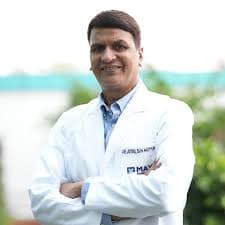
প্রফেসর (ডা.) অতুল শর্মা
অনকোলজি
ম্যাক্স সুপার স্পেশালিটি হাসপাতাল, সাকেত, নয়াদিল্লি
২৭ বছরেরও বেশি অভিজ্ঞতাসম্পন্ন শীর্ষস্থানীয় মেডিকেল অনকোলজিস্ট ও AIIMS-এর সাবেক অধ্যাপক প্রফেসর অতুল শর্মা ম্যাক্স সুপার স্পেশালিটি হাসপাতাল, সাকেতে কেমোথেরাপি, টার্গেটেড থেরাপি ও ইমিউনোথেরাপিতে বিশেষজ্ঞ।
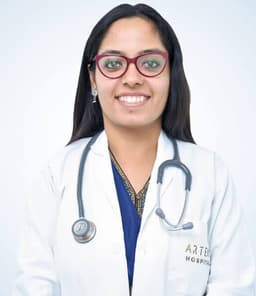
ডা. প্রিয়া তিওয়ারি
অনকোলজি
আর্তেমিস হাসপাতাল, গুরগাঁও
AIIMS-প্রশিক্ষিত মেডিকেল অনকোলজিস্ট ও স্বর্ণপদকপ্রাপ্ত ডা. প্রিয়া তিওয়ারি আর্তেমিস হাসপাতাল, গুরগাঁওয়ে কেমোথেরাপি, ইমিউনোথেরাপি ও টার্গেটেড থেরাপিতে বিশেষজ্ঞ।
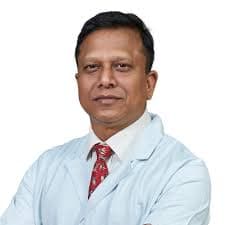
ডা. অমল রায় চৌধুরী
অনকোলজি
ফর্টিস মেমোরিয়াল রিসার্চ ইনস্টিটিউট, গুরগাঁও
গুরগাঁওয়ের ফর্টিস হাসপাতালের রেডিয়েশন অনকোলজি বিভাগের ডিরেক্টর ডা. অমল রায় চৌধুরীর প্রিসিশন রেডিওথেরাপি ও ক্যান্সার চিকিৎসায় ২৩ বছরেরও বেশি অভিজ্ঞতা রয়েছে।
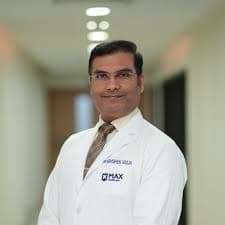
ডা. অভিষেক গুলিয়া
অনকোলজি
ম্যাক্স সুপার স্পেশালিটি হাসপাতাল, নয়ডা
হার্ভার্ড-প্রশিক্ষিত ডা. অভিষেক গুলিয়া ম্যাক্স সুপার স্পেশালিটি হাসপাতাল, নয়ডার রেডিয়েশন অনকোলজি বিভাগের ডিরেক্টর। ১৭ বছরেরও বেশি অভিজ্ঞতাসম্পন্ন এই বিশেষজ্ঞ SRS/SBRT ও প্রিসিশন ক্যান্সার চিকিৎসায় দক্ষ।
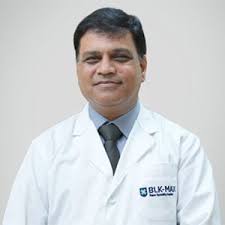
ডা. রাজেশ কুমার জৈন
অনকোলজি
BLK-ম্যাক্স সুপার স্পেশালিটি হাসপাতাল, নয়াদিল্লি
BLK-ম্যাক্স দিল্লির সিনিয়র সার্জিক্যাল অনকোলজিস্ট ডা. রাজেশ কুমার জৈনের ৩২ বছরেরও বেশি অভিজ্ঞতা রয়েছে। তিনি জটিল ক্যান্সার সার্জারি ও উন্নত অনকোলজিক্যাল চিকিৎসা পদ্ধতিতে বিশেষজ্ঞ।
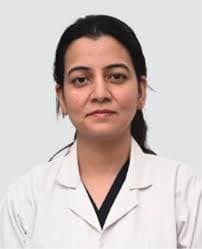
ডা. প্রিয়াঙ্কা রায়না
অনকোলজি
আর্তেমিস হাসপাতাল, গুরগাঁও
আর্তেমিস হাসপাতাল, গুরগাঁওয়ের হেড অ্যান্ড নেক অনকোলজিস্ট ডা. প্রিয়াঙ্কা রায়নার মুখগহ্বর, থাইরয়েড ও স্কাল বেস ক্যান্সার সার্জারি এবং মাইক্রোভাসকুলার পুনর্গঠনে ১৫ বছরেরও বেশি অভিজ্ঞতা রয়েছে।
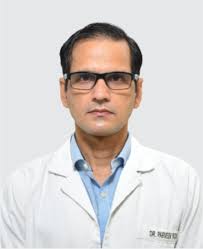
ডা. পারভীন যাদব
অনকোলজি
আর্তেমিস হাসপাতাল, গুরগাঁও
আর্তেমিস হাসপাতাল, গুরগাঁওয়ের শীর্ষস্থানীয় থোরাসিক অনকোলজিস্ট ডা. পারভীন যাদবের ফুসফুস ও খাদ্যনালির ক্যান্সার সার্জারি এবং মিনিমালি ইনভেসিভ VATS-এ ১৭ বছরেরও বেশি অভিজ্ঞতা রয়েছে।
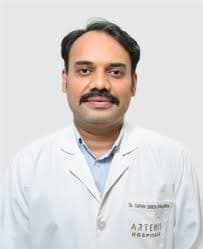
ডা. তপন সিং চৌহান
অনকোলজি
আর্তেমিস হাসপাতাল, গুরগাঁও
আর্তেমিস হাসপাতাল, গুরগাঁওয়ের সার্জিক্যাল অনকোলজিস্ট ডা. তপন সিং চৌহান GI, HPB, রোবোটিক অনকোলজি, CRS ও HIPEC সার্জারিতে বিশেষজ্ঞ এবং তাঁর উন্নত আন্তর্জাতিক প্রশিক্ষণ রয়েছে।
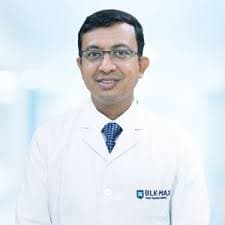
ডা. মনীশ জৈন
অনকোলজি
BLK-ম্যাক্স সুপার স্পেশালিটি হাসপাতাল, নয়াদিল্লি
দিল্লির শীর্ষস্থানীয় GI ও HPB অনকোসার্জন ডা. মনীশ জৈন রোবোটিক GI ক্যান্সার সার্জারি, HIPEC এবং উন্নত মিনিমালি ইনভেসিভ ক্যান্সার চিকিৎসায় বিশেষজ্ঞ।
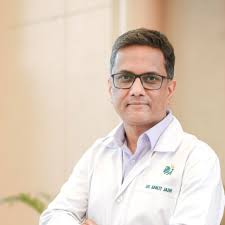
ডা. অঙ্কিত জৈন
অনকোলজি
ইন্দ্রপ্রস্থ অ্যাপোলো হাসপাতাল, নয়াদিল্লি
অ্যাপোলো হাসপাতাল দিল্লির যুক্তরাজ্য-প্রশিক্ষিত মেডিকেল অনকোলজিস্ট ডা. অঙ্কিত জৈন ইমিউনোথেরাপি ও প্রিসিশন অনকোলজিতে বিশেষজ্ঞ। তাঁর ২৫ বছরেরও বেশি অভিজ্ঞতা রয়েছে। VRH Healthcare-এর মাধ্যমে পরামর্শ নিন।
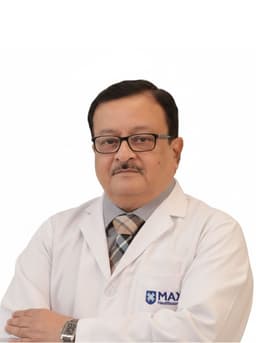
ডা. প্রফেসর এস. ভি. এস. দেও
অনকোলজি
ম্যাক্স সুপার স্পেশালিটি হাসপাতাল, সাকেত, নয়াদিল্লি
ডা. প্রফেসর এস. ভি. এস. দেও দিল্লির একজন সিনিয়র সার্জিক্যাল অনকোলজিস্ট, যাঁর ৩৫ বছরেরও বেশি অভিজ্ঞতা রয়েছে। তিনি স্তন ক্যান্সার, GI ক্যান্সার, HIPEC এবং জটিল অনকোলজি সার্জারিতে বিশেষজ্ঞ।
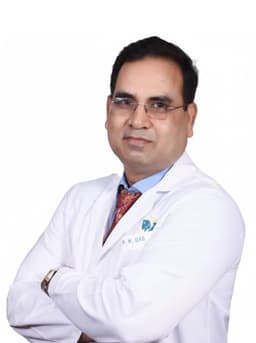
ডা. পি. কে. দাস
অনকোলজি
ইন্দ্রপ্রস্থ অ্যাপোলো হাসপাতাল, নয়াদিল্লি
ডা. পি. কে. দাস অ্যাপোলো ক্যান্সার ইনস্টিটিউট, দিল্লির একজন সিনিয়র মেডিকেল অনকোলজিস্ট ও হেমাটো-অনকোলজিস্ট। কেমোথেরাপি, টার্গেটেড থেরাপি, ইমিউনোথেরাপি এবং রক্তের ক্যান্সারের চিকিৎসায় তাঁর ২১ বছরেরও বেশি অভিজ্ঞতা রয়েছে।
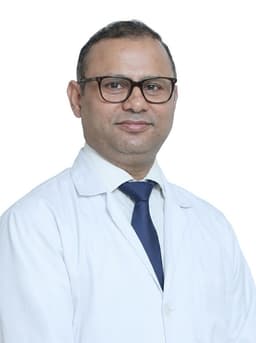
ডা. চন্দ্রগৌড়া দোদাগৌড়ার
অনকোলজি
BLK-Max সুপার স্পেশালিটি হাসপাতাল, নয়াদিল্লি
ডা. চন্দ্রগৌড়া দোদাগৌড়ার BLK-Max-এর মেডিকেল অনকোলজির একজন সিনিয়র বিশেষজ্ঞ। কেমোথেরাপি ও টার্গেটেড থেরাপিতে তাঁর ১৯ বছরেরও বেশি অভিজ্ঞতা রয়েছে।
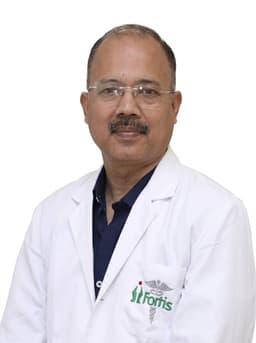
ডা. বিশ্বজ্যোতি হাজারিকা
অনকোলজি
ফর্টিস মেমোরিয়াল রিসার্চ ইনস্টিটিউট, গুরগাঁও
ডা. বিশ্বজ্যোতি হাজারিকা ফর্টিস গুরগাঁওয়ের হেড অ্যান্ড নেক সার্জিক্যাল অনকোলজির প্রিন্সিপাল ডিরেক্টর। জটিল ক্যান্সার সার্জারিতে তাঁর ৩০ বছরেরও বেশি অভিজ্ঞতা রয়েছে।

ডা. মুকেশ পাটেকার
অনকোলজি
BLK-Max সুপার স্পেশালিটি হাসপাতাল, নয়াদিল্লি
ডা. মুকেশ পাটেকার BLK-Max দিল্লির একজন AIIMS-প্রশিক্ষিত মেডিকেল অনকোলজিস্ট, যিনি সলিড ক্যান্সার, ব্লাড ক্যান্সার ও স্টেম সেল ট্রান্সপ্লান্টে বিশেষজ্ঞ।

ডা. বিনোদ রায়না
অনকোলজি
ফর্টিস মেমোরিয়াল রিসার্চ ইনস্টিটিউট, গুরগাঁও
ডা. বিনোদ রায়না ফর্টিস গুরগাঁওয়ের অনকোসায়েন্সেস বিভাগের চেয়ারম্যান। ক্যান্সার চিকিৎসায় তাঁর ৪০ বছরেরও বেশি অভিজ্ঞতা রয়েছে এবং তিনি প্রায় ৪০০টি স্টেম সেল ট্রান্সপ্লান্ট সম্পন্ন করেছেন।

ডা. সুরেন্দর কুমার দাবাস
অনকোলজি
মণিপাল হাসপাতাল, দ্বারকা, নয়াদিল্লি
ডা. সুরেন্দর দাবাস মণিপাল দ্বারকার ক্যান্সার ও রোবোটিক সার্জারির চেয়ারম্যান। তাঁর ২২ বছরেরও বেশি অভিজ্ঞতা রয়েছে এবং তিনি ৪,০০০টিরও বেশি রোবোটিক ক্যান্সার সার্জারি সম্পন্ন করেছেন।
প্রত্যাশিত ফলাফল ও সাফল্যের অর্থ
পুনরুদ্ধার ও ফলো-আপ সময়রেখা
উড়ার উপযুক্ততা এবং কার্যকলাপের সীমা কেন্দ্র-নির্দিষ্ট।
আমি কত দ্রুত শুরু করতে পারি?
দ্বিতীয় মতামত
১২-৪৮ ঘন্টা
সাধারণত মেডিকেল রিপোর্ট শেয়ার করার পর পাওয়া যায়।
সময়সূচী নির্ধারণ
১-২ কার্যদিবস
বিশেষজ্ঞের উপলব্ধতার উপর নির্ভর করে
ভিসা আমন্ত্রণ পত্র (VIL)
১-২ কার্যদিবস
আপনার মেডিকেল ভিসা আবেদন সমর্থন করার জন্য দ্রুত জারি করা হয়।
ভারতে স্তন ক্যান্সার সার্জারির খরচ
এই পৃষ্ঠাটি সাধারণ খরচ এবং প্রভাবিতকারী কারণগুলির একটি সংক্ষিপ্ত বিবরণ প্রদান করে। আপনার রিপোর্টগুলির একটি চিকিৎসা পর্যালোচনার পর একটি ব্যক্তিগতকৃত খরচের অনুমান শেয়ার করা হয়—আপনার ব্যক্তিগত অনুমান জানতে আমাদের সাথে যোগাযোগ করুন।
ভিআরএইচ হেলথকেয়ার কীভাবে সহায়তা করে
ভিআরএইচ হেলথকেয়ার কোনো হাসপাতাল নয়। আমরা আপনার চিকিৎসা সুবিধা এবং রোগী-নেভিগেশন অংশীদার হিসাবে কাজ করি, আপনাকে ভারতে যত্নের মাধ্যমে অবহিত সিদ্ধান্ত নিতে এবং মসৃণভাবে এগিয়ে যেতে সহায়তা করি।
আন্তর্জাতিক রোগী পরিষেবা
ভিআরএইচ-এর সাথে আপনার যত্নের যাত্রা
আপনার চিকিৎসার অভিজ্ঞতার একটি সরলীকৃত ধাপে ধাপে নির্দেশিকা।
মেডিকেল রিপোর্ট শেয়ার করুন
একজন বিশেষজ্ঞের দ্বিতীয় মতামত এবং নির্দেশক অনুমান পান
ভ্রমণ, ভিসা এবং অ্যাপয়েন্টমেন্টের পরিকল্পনা করুন
অন-গ্রাউন্ড সমন্বয়ের সাথে চিকিৎসা
হাসপাতাল থেকে ছাড়ার পর এবং চলমান টেলি-ফলো-আপ
মেডিকেল রিপোর্ট শেয়ার করুন
একজন বিশেষজ্ঞের দ্বিতীয় মতামত এবং নির্দেশক অনুমান পান
ভ্রমণ, ভিসা এবং অ্যাপয়েন্টমেন্টের পরিকল্পনা করুন
অন-গ্রাউন্ড সমন্বয়ের সাথে চিকিৎসা
হাসপাতাল থেকে ছাড়ার পর এবং চলমান টেলি-ফলো-আপ
যেখানে আমরা সেবা দিই: আমরা যে দেশগুলিকে সমর্থন করি
মধ্যপ্রাচ্য
অনকোলজি চিকিৎসার জন্য ভাষা সহায়তা, ভিসা সহায়তা এবং সমন্বিত যত্ন পরিকল্পনা।
আফ্রিকা
রোগ নির্ণয় পর্যালোচনা, ভ্রমণ পরিকল্পনা এবং চিকিৎসার পরবর্তী ফলো-আপের জন্য সহায়তা।
মধ্য এশিয়া ও সিআইএস
অস্ত্রোপচার যত্নের জন্য দোভাষী পরিষেবা এবং হাসপাতাল সমন্বয়।
দক্ষিণ এশিয়া
মতামত, সময়সূচী এবং যত্নের ধারাবাহিকতায় দ্রুত প্রবেশাধিকার।
ইউ.কে. ও ইউএসএ
দ্বিতীয় মতামত, খরচ-সংবেদনশীল পরিকল্পনা এবং দেশে ফেরার পরের টেলি-ফলো-আপ।
অন্যান্য দেশ
ব্যক্তিগত ভ্রমণ এবং যত্নের প্রয়োজন অনুসারে কাস্টমাইজড সহায়তা।