VRH Healthcare Logo

Neurosurgery

Brain Aneurysm Coiling in India

Minimally Invasive Treatment for Cerebral Aneurysms with VRH Healthcare

Understanding Brain Aneurysm Coiling in India

Brain aneurysm coiling is a minimally invasive endovascular procedure used to treat cerebral aneurysms, which are weak, bulging spots on a brain artery. Instead of open surgery, a neuro-interventional surgeon inserts a catheter into an artery, typically in the groin, and guides it to the aneurysm. Tiny platinum coils are then deployed inside the aneurysm, filling it and blocking blood flow, thereby preventing rupture or re-rupture. This procedure aims to secure the aneurysm, reducing the risk of life-threatening haemorrhage and preserving neurological function. India offers advanced facilities and experienced specialists for this delicate treatment.

Types / Variants of Brain Aneurysm Coiling

1

Simple Coiling

Coils are directly placed into the aneurysm sac to block blood flow.

2

Balloon-Assisted Coiling

A temporary balloon helps stabilise coils during placement, especially for wide-necked aneurysms.

3

Stent-Assisted Coiling

A permanent stent is placed across the aneurysm neck to support coils and prevent protrusion.

4

Flow Diverter Placement

A mesh-like stent diverts blood flow away from the aneurysm, promoting its thrombosis.

Your surgeon explains why a particular approach is recommended for you.

Technology & Techniques

In India, Brain Aneurysm Coiling may be performed using:

Digital Subtraction Angiography (DSA)
Biplane Angiography Systems
Microcatheters and Guidewires
Platinum Coils (various shapes and sizes)
Intracranial Stents (e.g., Enterprise, Neuroform)
Flow Diverter Devices (e.g., Pipeline, Surpass)

Benefits

  • Minimally invasive approach, avoiding open brain surgery.
  • Typically shorter hospital stay and faster recovery time.
  • Reduced risk of surgical complications compared to clipping.
  • Effective in preventing aneurysm rupture for many patients.
  • Less post-operative pain and scarring.

Limitations

  • Not suitable for all aneurysm types, especially very large or complex ones.
  • Potential for aneurysm recurrence, requiring repeat procedures.
  • Need for antiplatelet medication for a period, especially with stent use.
  • Risk of radiation exposure during the imaging-guided procedure.
  • Possible complications like stroke, haemorrhage, or coil compaction.

Diagnostics & Pre-Arrival Work-Up

CT Angiography (CTA) of the brain
MR Angiography (MRA) of the brain
Cerebral Angiography (DSA) reports
Detailed Neurological Examination reports
Blood tests (e.g., complete blood count, coagulation profile, renal function tests)
ECG and Chest X-ray
Share reports securely for review and opinion
Proceed

Pre-Arrival & Travel Checklist

Medical records and imaging
Passport and medical visa
Pre-surgery instructions (medications, fasting)
Accommodation and airport pickup confirmation
Post-discharge recovery plan and tele-review schedule

How the Procedure is Done (Step-by-Step)

1

Preparation & Access

Under general anaesthesia, a small incision is made, typically in the groin, to access the femoral artery. A catheter is then carefully inserted.

2

Catheter Navigation & Aneurysm Visualisation

Using X-ray guidance (fluoroscopy), the catheter is threaded through blood vessels to the brain and positioned within the aneurysm.

3

Coil Placement

Tiny, soft platinum coils are pushed through the catheter into the aneurysm. These coils fill the aneurysm, blocking blood flow and promoting clotting.

4

Confirmation & Closure

Once the aneurysm is adequately filled, an angiogram confirms successful occlusion. The catheter is removed, and the access site is closed.

Top Specialists for Neurosurgery

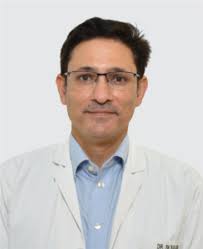
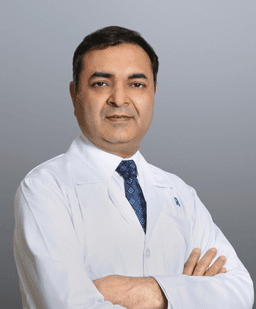
Dr. S.K. Rajan - Chief of Neuro Spine Surgery and Additional Director of Neurosurgery Artemis Hospital Gurugram

Dr. S.K. Rajan

Neurosurgery

Artemis Hospital, Gurugram

Dr. S.K. Rajan, top Gurugram neurosurgeon with 20+ years, excels in minimally invasive spine surgeries at Artemis.

Dr. Sandeep Vaishya – Best Neurosurgeon in India

Dr. Sandeep Vaishya

Neurosurgery

Fortis Memorial Research Institute, Gurugram

Get world-class brain, spine, and nerve surgery from Dr. Sandeep Vaishya at Fortis Memorial Research Institute, Gurugram. Expert in Gamma Knife, DBS, and Brachial Plexus surgeries with 30+ years of global experience.

Dr. Sudheer Kumar Tyagi | Best Neurosurgeon in Delhi, India | Apollo Hospital | VRH Healthcare

Dr. Sudheer Kumar Tyagi

Neurosurgery

Indraprastha Apollo Hospital, New Delhi

Dr. Sudheer Kumar Tyagi is an AIIMS-trained neurosurgeon with 36+ years’ experience. Pioneer in Deep Brain Stimulation and brain tumor surgery at Apollo Hospital Delhi. Consult via VRH Healthcare.

Dr. Rohit Bansil – Best Neurosurgeon & Spine Specialist in Delhi | BLK-Max Hospital

Dr. Rohit Bansil

Neurosurgery

BLK-Max Super Speciality Hospital, New Delhi

Dr. Rohit Bansil, Director – Neurosurgery & Neuro Spine Surgery at BLK-Max Hospital, is a Japan-trained expert in minimally invasive spine surgery, neuro-endoscopy, brain & spine tumors, and pediatric neurosurgery.

Dr Aditya Gupta

Dr Aditya Gupta

Neurosurgery

Artemis Hospital, Gurugram

Dr Aditya Gupta is a leading neurosurgeon at Artemis Hospital, Gurugram with 32+ years’ experience, 10,000+ brain tumor surgeries and expertise in CyberKnife radiosurgery.

Expected Outcomes & What Success Means

Prevention of aneurysm rupture, significantly reducing the risk of brain haemorrhage.
Preservation of neurological function, maintaining cognitive and motor abilities.
Reduced risk of re-bleeding from the treated aneurysm, ensuring long-term safety.
Minimised recovery time and discomfort compared to traditional open surgery.
Improved long-term prognosis, allowing a return to daily activities.

Recovery & Follow-Up Timeline

Immediate Post-Procedure (1-3 days)Patients typically stay in ICU for monitoring, then move to a regular ward. Mild headache or groin discomfort is common. Antiplatelet medication may begin.
First Few Weeks (2-4 weeks)Gradual return to light activities. Avoid strenuous exercise, heavy lifting, and sudden head movements. Follow medication regimen strictly.
Long-Term Follow-Up (Months to Years)Regular imaging (CTA/MRA) is crucial to monitor the aneurysm and ensure no recurrence. Neurological check-ups continue as advised by your specialist.

Fitness to fly and activity limits are centre-specific.

How Quickly Can I Start?

Step 1

Second Opinion

12-48 hours

Typically received after sharing medical reports.

Step 2

Scheduling

1-2 working days

Depending upon the availability of the specialist

Step 3

Visa Invitation Letter (VIL)

1-2 working days

issued promptly to support your medical visa application.

Request timelines and estimates
Proceed

Cost of Brain Aneurysm Coiling in India

Aneurysm size, location, and complexityNumber and type of coils or devices required (e.g., stents, flow diverters)Hospital category (e.g., premium, mid-range, budget)Surgeon's experience and the neuro-interventional team feesLength of hospital stay, including any ICU carePre-operative diagnostics and post-operative medicationsAny associated complications or additional procedures needed

This page provides an overview of typical costs and influencing factors. A personalised cost estimate is shared after a medical review of your reports—please contact us to request your individual estimate.

Request an estimate
Proceed

How VRH Healthcare Helps

VRH Healthcare is not a hospital. We act as your medical facilitation and patient-navigation partner, helping you make informed decisions and move smoothly through care in India.

Independent second opinions (even if you already have an estimate)
Review of medical records and reports
Shortlisting appropriate hospitals and surgeons
Appointment scheduling and care timelines
Medical visa invitation letters (VILs)
Airport pickup, local transport, and accommodation near hospitals
Language interpreters and on-ground assistance
Indicative cost estimates based on medical review
Post-discharge tele-follow-ups
Talk to us first
Proceed

International Patient Services

Medical visa invitation letters
Airport transfers and local transport
Accommodation near the hospital
Language interpreters (Arabic, Russian, French, English)
Appointment coordination and updates for family
Post-discharge follow-ups via tele-consultation
Start with an opinion
Proceed

Your Care Journey with VRH

A simplified step-by-step guide to your treatment experience.

Step 01

Share medical reports

Step 02

Receive an expert second opinion and indicative estimate

Step 03

Plan travel, visa, and appointments

Step 04

Treatment with on-ground coordination

Step 05

Discharge and ongoing tele-follow-ups

You can request a second opinion at any stage—even if you already have an estimate.

Where We Serve: Countries We Support

Middle East

Saudi ArabiaOmanBahrainUAEYemenIraq

Language support, visa assistance, and coordinated care planning for brain aneurysm treatment and neuro-interventional procedures.

Africa

NigeriaKenyaTanzaniaEthiopiaGhanaAngolaMozambiqueUgandaSudanChadGuinea

Support for diagnostics review, travel planning, and post-treatment follow-up.

Central Asia & CIS

KazakhstanUzbekistanKyrgyzstanTajikistanRussia

Interpretation services and hospital coordination for surgical care.

South Asia

BangladeshNepalMaldivesSri LankaAfghanistan

Quick access to opinions, scheduling, and continuity of care.

U.K. & USA

Second opinions, cost-sensitive planning, and post-return tele-follow-ups.

Other Countries

Customised support based on individual travel and care needs.

Frequently Asked Questions

What is the main difference between coiling and clipping for brain aneurysms?
Coiling is a minimally invasive endovascular procedure where platinum coils are inserted into the aneurysm through a catheter to block blood flow. Clipping is an open surgical procedure where a neurosurgeon makes an incision in the skull to place a metal clip at the base of the aneurysm, sealing it off from the blood vessel. Coiling typically involves a shorter recovery, while clipping offers immediate and often permanent occlusion.
How long does recovery typically take after brain aneurysm coiling?
Most patients are discharged from the hospital within 1-3 days. Full recovery and return to normal activities can take a few weeks, typically 2-4 weeks, depending on the individual's overall health, the aneurysm's characteristics, and whether any complications occurred. Strenuous activities should be avoided during the initial recovery period.
What is the cost of brain aneurysm coiling in India?
The cost of brain aneurysm coiling in India depends on the aneurysm’s size, location, complexity, and the devices used such as coils, stents, or flow diverters. Overall, treatment in India is significantly more affordable than in the USA or UK. VRH Healthcare provides personalised cost estimates after reviewing your medical reports.
Are there any risks associated with brain aneurysm coiling?
Yes, like any medical procedure, coiling carries risks. These can include stroke, haemorrhage (bleeding), infection, allergic reaction to contrast dye, coil compaction or migration requiring re-treatment, and damage to blood vessels. Your neuro-interventional specialist will discuss these risks in detail before the procedure.
Will I need follow-up after the coiling procedure?
Yes, regular follow-up imaging, typically with CTA or MRA, is crucial after brain aneurysm coiling. These scans monitor the treated aneurysm to ensure it remains stable and to detect any signs of recurrence or changes that might require further intervention. The frequency of these follow-ups will be determined by your treating physician.
Why should I consider India for brain aneurysm coiling?
India offers world-class neuro-interventional facilities with highly experienced specialists who perform a high volume of complex aneurysm coiling procedures. Patients benefit from advanced technology, competitive costs, and comprehensive care, often with shorter waiting times compared to many Western countries. VRH Healthcare helps you access these leading centres and experts.