
Brain and Neurological Cancer Treatment in India
Navigating a brain or neurological cancer diagnosis can be overwhelming. VRH Healthcare connects international patients with leading neuro-oncology specialists and state-of-the-art treatment facilities across India, offering comprehensive care for primary and metastatic brain tumours. We provide personalised guidance, from initial diagnosis review to post-treatment follow-up, ensuring you receive the best possible care.
Verified Hospitals
JCI & NABH Accredited Centres only.
Zero Wait Time
Priority appointments for international patients.
Understanding Brain and Neurological Cancer
Brain and neurological cancer refers to the abnormal growth of cells within the brain, spinal cord, or other parts of the central nervous system (CNS). These can be primary tumours, originating in the brain, or metastatic tumours, which spread to the brain from other parts of the body. Treatment is complex, often involving a multidisciplinary team of neurosurgeons, oncologists, radiation oncologists, and neurologists. Early and accurate diagnosis is crucial for effective management, aiming to preserve neurological function and improve quality of life. VRH Healthcare helps you access these specialised teams in India.
Types / Variants of Brain and Neurological Cancer
Gliomas (e.g., Glioblastoma)
Common primary brain tumours originating from glial cells, often aggressive and fast-growing.
Meningiomas
Typically benign tumours arising from the meninges, the membranes surrounding the brain and spinal cord.
Pituitary Adenomas
Growths on the pituitary gland, often affecting hormone production and vision.
Metastatic Brain Tumours
Cancers that spread to the brain from primary sites like lung, breast, or colon.
Medulloblastomas
Fast-growing malignant tumours primarily found in the cerebellum, common in children.
Schwannomas (e.g., Acoustic Neuroma)
Benign tumours arising from the Schwann cells of cranial or spinal nerves.
Your specialist explains why a particular approach is recommended for your specific cancer type.
Technology & Techniques for Brain and Neurological Cancer Treatment
In India, advanced treatment for Brain and Neurological Cancer leverages cutting-edge technology to enhance precision, minimise invasiveness, and improve patient outcomes. These technologies support accurate diagnosis, meticulous surgical planning, targeted radiation delivery, and effective post-operative monitoring.
Benefits
- Potential for tumour removal or reduction, alleviating symptoms and improving neurological function.
- Advanced techniques offer highly targeted treatment, preserving healthy brain tissue.
- Improved quality of life through symptom management and functional preservation.
- Access to multidisciplinary teams ensures comprehensive and personalised care plans.
- Minimally invasive options may lead to faster recovery and reduced hospital stays.
- Enhanced diagnostic tools allow for precise tumour localisation and characterisation.
Limitations
- Risk of neurological deficits depending on tumour location and extent of treatment.
- Potential for side effects from radiation and chemotherapy, including fatigue, nausea, and cognitive changes.
- Treatment outcomes can vary significantly based on tumour type, grade, and patient health.
- Long-term follow-up and rehabilitation may be required, impacting travel and recovery plans.
- Not all tumours are fully resectable, requiring a combination of therapies.
- Emotional and psychological impact on patients and families can be substantial.
Diagnostics & Pre-Arrival Work-Up
Pre-Arrival & Travel Checklist
How Brain and Neurological Cancer Treatment is Done (Step-by-Step)
Comprehensive Evaluation & Planning
Detailed review of diagnostic scans and biopsy reports by a multidisciplinary neuro-oncology team to determine tumour type, grade, and optimal treatment strategy.
Surgical Intervention (if indicated)
Neurosurgery aims to safely remove as much of the tumour as possible, often using advanced techniques like neuronavigation and intraoperative imaging to preserve critical brain function.
Radiation Therapy
Targeted radiation, such as IMRT, VMAT, or stereotactic radiosurgery, is used to destroy remaining cancer cells or treat unresectable tumours, minimising damage to healthy tissue.
Chemotherapy & Targeted Therapy
Systemic treatments like chemotherapy or newer targeted therapies are administered orally or intravenously to kill cancer cells throughout the body, often alongside radiation.
Rehabilitation & Supportive Care
Post-treatment, patients may undergo physical, occupational, or speech therapy to regain function and manage symptoms, supported by ongoing medical care.
Regular Follow-Up
Scheduled MRI scans and clinical evaluations monitor for recurrence and manage long-term side effects, ensuring continuous care and support.
Top Specialists for Oncology
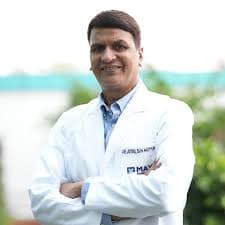
Prof. (Dr.) Atul Sharma
Oncology
Max Super Speciality Hospital, Saket, New Delhi
Prof. Atul Sharma, a leading medical oncologist with 27+ years of experience, former AIIMS Professor, specializes in chemotherapy, targeted therapy, and immunotherapy at Max Super Speciality Hospital, Saket.

Dr. Priya Tiwari
Oncology
Medanta - The Medicity, Gurugram
Dr. Priya Tiwari, Cancer Specialist in Delhi and Gurgaon, specializes in chemotherapy, immunotherapy, and targeted therapy at Medanta - The Medicity, Gurugram.
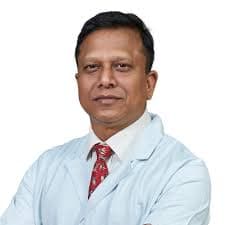
Dr. Amal Roy Chaudhoory
Oncology
Fortis Memorial Research Institute, Gurugram
Dr. Amal Roy Chaudhoory, Director of Radiation Oncology at Fortis Hospital, Gurugram with 23+ years expertise in precision radiotherapy and cancer care.
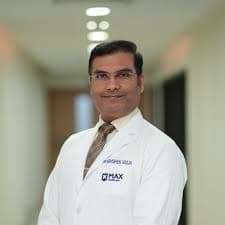
Dr. Abhishek Gulia
Oncology
Max Super Speciality Hospital, Noida
Dr. Abhishek Gulia, Harvard-trained Director of Radiation Oncology at Max Super Speciality Hospital, Noida, specializes in SRS/SBRT and precision cancer care with 17+ years of experience.
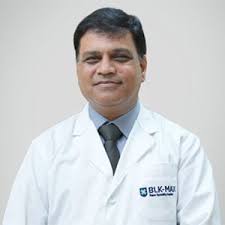
Dr. Rajesh Kumar Jain
Oncology
BLK-Max Super Speciality Hospital, New Delhi
Dr. Rajesh Kumar Jain, Senior Surgical Oncologist at BLK-Max Delhi with 32+ years’ experience, specializes in complex cancer surgeries and advanced oncology procedures.
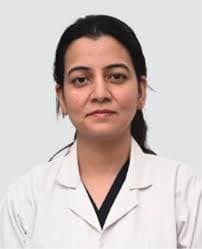
Dr. Priyanka Raina
Oncology
Artemis Hospital, Gurugram
Dr. Priyanka Raina, Head & Neck Oncologist at Artemis Hospital, Gurugram with 15+ years expertise in oral, thyroid & skull base cancer surgery and microvascular reconstruction.
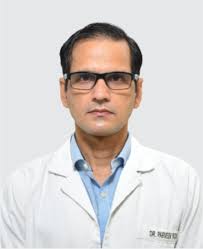
Dr. Parveen Yadav
Oncology
Artemis Hospital, Gurugram
Dr. Parveen Yadav, leading thoracic oncologist at Artemis Gurugram with 17+ years’ experience in lung & esophageal cancer surgery and minimally invasive VATS.
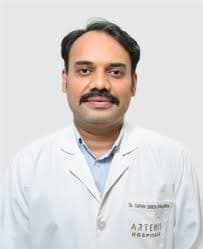
Dr. Tapan Singh Chauhan
Oncology
Artemis Hospital, Gurugram
Dr. Tapan Singh Chauhan, Surgical Oncologist at Artemis Gurugram, specializes in GI, HPB, robotic oncology, CRS & HIPEC with advanced global training.
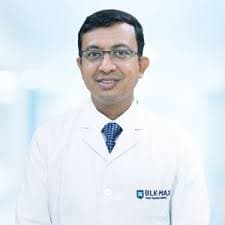
Dr. Manish Jain
Oncology
BLK-Max Super Speciality Hospital, New Delhi
Dr. Manish Jain, leading GI & HPB Oncosurgeon in Delhi, specializes in robotic GI cancer surgery, HIPEC & advanced minimally invasive cancer treatments.
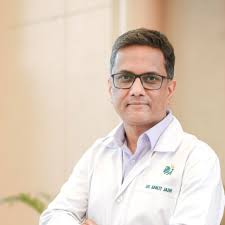
Dr. Ankit Jain
Oncology
Indraprastha Apollo Hospital, New Delhi
Dr. Ankit Jain, UK-trained Medical Oncologist at Apollo Delhi, expert in Immunotherapy & Precision Oncology. 25+ years experience. Consult through VRH Healthcare.
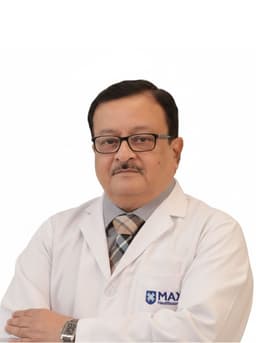
Dr. Prof. S.V.S. Deo
Oncology
Max Super Speciality Hospital, Saket, New Delhi
Dr. Prof. S.V.S. Deo is a senior surgical oncologist in Delhi with 35+ years experience. Expert in breast cancer, GI cancer, HIPEC & complex oncology surgery.
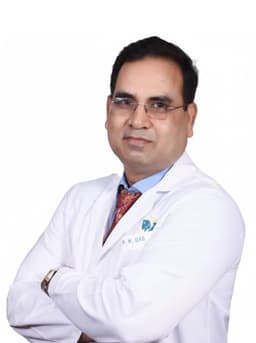
Dr. P. K. Das
Oncology
Indraprastha Apollo Hospital, New Delhi
Dr. P. K. Das, is a senior medical oncologist and haemato-oncologist at Apollo Cancer Institute, Delhi, with 21+ years’ experience in chemotherapy, targeted therapy, immunotherapy, and blood cancer care.
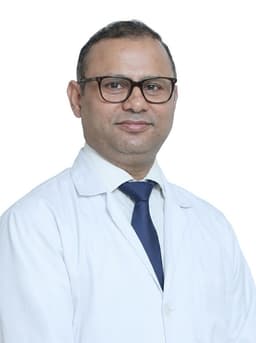
Dr. Chandragouda Dodagoudar
Oncology
BLK-Max Super Speciality Hospital, New Delhi
Dr. Chandragouda Dodagoudar is Senior Director of Medical Oncology at BLK-Max with 19+ years’ experience in chemotherapy and targeted therapy.
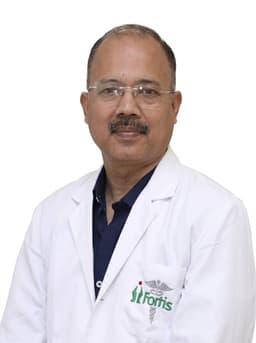
Dr. Biswajyoti Hazarika
Oncology
Fortis Memorial Research Institute, Gurugram
Dr. Biswajyoti Hazarika is Principal Director of Head & Neck Surgical Oncology at Fortis Gurugram with 30+ years’ experience in complex cancer surgery.

Dr. Mukesh Patekar
Oncology
BLK-Max Super Speciality Hospital, New Delhi
Dr. Mukesh Patekar is an AIIMS-trained medical oncologist at BLK-Max Delhi specialising in solid cancers, blood cancers and stem cell transplant.

Dr. Vinod Raina
Oncology
Fortis Memorial Research Institute, Gurugram
Dr. Vinod Raina is Chairman of Oncosciences at Fortis Gurgaon with 40+ years’ experience in cancer care and 400 stem cell transplants.

Dr. Surender Kumar Dabas
Oncology
Manipal Hospital, Dwarka, New Delhi
Dr. Surender Dabas is Chairman of Cancer & Robotic Surgery at Manipal Dwarka with 22+ years’ experience and 4,000+ robotic cancer surgeries.
Expected Outcomes & What Success Means
Recovery & Follow-Up Timeline
Fitness to fly and activity limits are centre-specific and will be advised by your treating physician.
How Quickly Can I Start?
Second Opinion
12-48 hours
Typically received after sharing medical reports.
Scheduling
1-2 working days
Depending upon the availability of the specialist
Visa Invitation Letter (VIL)
1-2 working days
issued promptly to support your medical visa application.
Cost of Brain and Neurological Cancer Treatment in India
This page provides an overview of typical costs and influencing factors. A personalised cost estimate is shared after a medical review of your reports—please contact us to request your individual estimate.
How VRH Healthcare Helps
VRH Healthcare is not a hospital. We act as your medical facilitation and patient-navigation partner, helping you make informed decisions and move smoothly through care in India.
International Patient Services
Your Care Journey with VRH
A simplified step-by-step guide to your treatment experience for brain and neurological cancer in India, ensuring clarity and support at every stage.
Share your detailed medical reports and diagnostic scans with VRH Healthcare.
Receive an expert second opinion from a leading neuro-oncologist and an indicative cost estimate.
VRH assists with planning your travel, securing your medical visa, and scheduling hospital appointments.
Undergo treatment in India with continuous on-ground coordination and support from VRH.
Post-discharge, we arrange your return travel and facilitate ongoing tele-follow-ups with your doctor.
Share your detailed medical reports and diagnostic scans with VRH Healthcare.
Receive an expert second opinion from a leading neuro-oncologist and an indicative cost estimate.
VRH assists with planning your travel, securing your medical visa, and scheduling hospital appointments.
Undergo treatment in India with continuous on-ground coordination and support from VRH.
Post-discharge, we arrange your return travel and facilitate ongoing tele-follow-ups with your doctor.
Where We Serve: Countries We Support
Middle East
Language support, visa assistance, and coordinated care planning for brain and neurological cancer treatment.
Africa
Support for diagnostics review, travel planning, and post-treatment follow-up for neuro-oncology cases.
Central Asia & CIS
Interpretation services and hospital coordination for advanced brain cancer care.
South Asia
Quick access to opinions, scheduling, and continuity of care for neurological cancers.
U.K. & USA
Second opinions, cost-sensitive planning, and post-return tele-follow-ups for complex neuro-oncology cases.
Other Countries
Customised support based on individual travel and care needs for international patients seeking brain cancer treatment.