
Bone Marrow Transplant in India for Blood Cancer & Serious Blood Disorders
VRH Healthcare connects international patients to India's leading BMT centres, offering advanced treatments for blood cancers, aplastic anaemia, and other severe hematologic conditions with compassionate, coordinated support.
Estimated Cost
$25,000 onwards
*Costs vary with hospital, city, surgeon expertise, room class and pre-op tests.
Verified Hospitals
JCI & NABH Accredited Centres only.
Zero Wait Time
Priority appointments for international patients.
Understanding Bone Marrow Transplant in India
Bone Marrow Transplant (BMT), also known as Hematopoietic Stem Cell Transplant (HSCT), is a life-saving medical procedure that replaces damaged or diseased bone marrow with healthy stem cells. These vital stem cells, which develop into all types of blood cells, can be sourced from the patient's own body (autologous) or from a compatible donor (allogeneic). BMT is a critical treatment for a range of serious conditions, including various blood cancers like leukaemia and lymphoma, aplastic anaemia, and certain inherited immune system disorders. The goal is to restore the body's ability to produce healthy blood cells and rebuild a functional immune system. VRH Healthcare acts as your dedicated partner, guiding you to India's top BMT programmes and experienced hematology teams.
Types / Variants of Bone Marrow Transplant
Autologous BMT
Uses the patient's own healthy stem cells, collected and stored before high-dose chemotherapy.
Allogeneic BMT
Uses stem cells from a compatible donor, often a family member or unrelated volunteer.
Haploidentical BMT
A type of allogeneic transplant using a half-matched donor, typically a parent or child.
Syngeneic BMT
A rare allogeneic transplant using stem cells from an identical twin, offering a perfect match.
Mini-Transplant (Reduced-Intensity Conditioning)
Uses lower doses of chemotherapy, suitable for older or less fit patients.
Your surgeon explains why a particular approach is recommended for you.
Technology & Techniques
In India, Bone Marrow Transplant may be performed using:
Benefits
- Potential for cure or long-term remission: Offers a definitive treatment pathway for many life-threatening blood disorders.
- Restoration of healthy blood cell production: Replaces diseased marrow, enabling the body to produce vital red, white, and platelet cells.
- Improved quality of life and extended survival: Can significantly enhance patient well-being and life expectancy post-recovery.
- Access to advanced treatment options: India's centres provide cutting-edge BMT protocols and supportive care.
- Comprehensive post-transplant care: Includes meticulous monitoring and management to ensure optimal long-term health.
Limitations
- Significant risks and complications: Includes severe infections, organ damage, and graft-versus-host disease (GVHD).
- Long and intensive recovery period: Requires extended hospitalisation and a prolonged period of careful outpatient follow-up.
- High cost of treatment: Involves substantial financial commitment, covering the procedure, medications, and extended care.
- Requires a suitable donor: Finding a compatible donor for allogeneic transplants can be a complex and lengthy process.
- Not suitable for all patients: Eligibility depends on age, overall health, disease stage, and specific medical criteria.
Diagnostics & Pre-Arrival Work-Up
Pre-Arrival & Travel Checklist
How the Procedure is Done (Step-by-Step)
Pre-Transplant Evaluation
A thorough assessment involving extensive tests to confirm diagnosis, evaluate overall health, and determine the most suitable transplant type and donor.
Conditioning Regimen
High-dose chemotherapy, sometimes combined with radiation, administered over several days to eliminate diseased cells and prepare the body for new stem cells.
Stem Cell Collection
Healthy stem cells are harvested either from the patient (autologous) or a matched donor (allogeneic) through a process called apheresis or bone marrow aspiration.
Stem Cell Infusion
The collected healthy stem cells are then infused intravenously into the patient, much like a standard blood transfusion, typically a painless procedure.
Engraftment
The infused stem cells migrate to the bone marrow, where they begin to multiply and produce new, healthy blood cells, a process that takes several weeks.
Post-Transplant Care
Intensive monitoring in a sterile environment to manage side effects, prevent infections, and address potential complications like graft-versus-host disease.
Top Specialists for Hematology
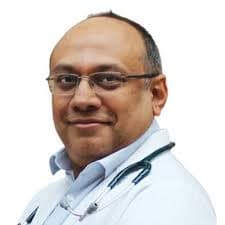
Dr. Rahul Bhargava
Hematology
Fortis Memorial Research Institute, Gurugram
Dr. Rahul Bhargava, Principal Director at Fortis Gurugram. 15+ years’ expertise, 1,500+ stem cell transplants. Leader in hematology and bone marrow care.
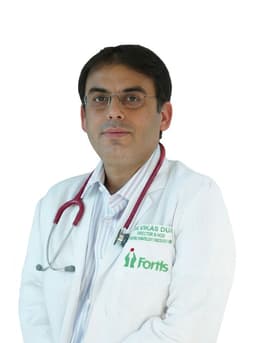
Dr Vikas Dua
Hematology
Fortis Memorial Research Institute, Gurugram
Dr Vikas Dua is a leading pediatric bone marrow transplant specialist at Fortis Gurgaon with 20+ years’ experience and 1,200+ successful transplants.
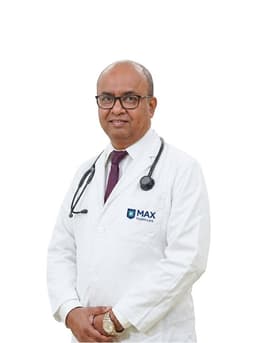
Dr. Rayaz Ahmed
Hematology
Max Super Speciality Hospital, Saket, New Delhi
Dr. Rayaz Ahmed is Best Haematology & Bone Marrow Transplant Specialist at Max Healthcare, with 17+ years of experience and over 1,000 successful bone marrow transplants.
Expected Outcomes & What Success Means
Recovery & Follow-Up Timeline
Fitness to fly and activity limits are centre-specific.
How Quickly Can I Start?
Second Opinion
12-48 hours
Typically received after sharing medical reports.
Scheduling
1-2 working days
Depending upon the availability of the specialist
Visa Invitation Letter (VIL)
1-2 working days
issued promptly to support your medical visa application.
Cost of Bone Marrow Transplant in India
This page provides an overview of typical costs and influencing factors for Bone Marrow Transplant. Due to the highly individualised nature of BMT, a personalised cost estimate is shared only after a comprehensive medical review of your reports by the transplant team. Please contact VRH Healthcare to request your individualised estimate and understand the full scope of potential expenses.
How VRH Healthcare Helps
VRH Healthcare is not a hospital. We act as your medical facilitation and patient-navigation partner, helping you make informed decisions and move smoothly through care in India.
International Patient Services
Your Care Journey with VRH
A simplified step-by-step guide to your treatment experience.
Share medical reports
Receive an expert second opinion and indicative estimate
Plan travel, visa, and appointments
Treatment with on-ground coordination
Discharge and ongoing tele-follow-ups
Share medical reports
Receive an expert second opinion and indicative estimate
Plan travel, visa, and appointments
Treatment with on-ground coordination
Discharge and ongoing tele-follow-ups
Where We Serve: Countries We Support
Middle East
Language support, visa assistance, and coordinated care planning for Bone Marrow Transplant.
Africa
Support for diagnostics review, travel planning, and post-treatment follow-up.
Central Asia & CIS
Interpretation services and hospital coordination for BMT care.
South Asia
Quick access to opinions, scheduling, and continuity of care.
U.K. & USA
Second opinions, cost-sensitive planning, and post-return tele-follow-ups.
Other Countries
Customised support based on individual travel and care needs.