Kidney Transplant Excellence in India: A Comprehensive Guide for International Patients – 2026
Kidney disease can be life-altering, often progressing to a stage where a kidney transplant becomes the most viable option for a longer, healthier life. For international patients seeking world-class medical care, India has emerged as a beacon of hope and expertise in renal science. With its highly skilled transplant surgeons, state-of-the-art facilities, and significantly more affordable treatment costs, India offers a compelling proposition. This guide aims to demystify the journey, providing essential insights into why India is rapidly becoming a leading destination for successful kidney transplant surgeries, ensuring peace of mind for patients and their families.
What is a Kidney Transplant?
A kidney transplant is a life-saving surgical procedure that replaces a diseased or failing kidney with a healthy kidney from a donor. This procedure is typically recommended for individuals suffering from End-Stage Renal Disease (ESRD), a condition where the kidneys have lost nearly all their ability to function. ESRD can result from various conditions like diabetes, high blood pressure, polycystic kidney disease, or chronic glomerulonephritis. The primary goal of a kidney transplant is to restore normal kidney function, freeing patients from the arduous routine of dialysis and significantly improving their quality of life. It offers the promise of increased energy, a less restrictive diet, and a longer, healthier life expectancy compared to long-term dialysis.
Types of Kidney Transplant Procedures
Kidney transplants are broadly categorized based on the source of the donor kidney, each with its own considerations and benefits.
Living Donor Kidney Transplant
This is often the preferred option due to better long-term outcomes and the ability to schedule the surgery electively. The donor is a living individual, typically a family member or a close friend, who donates one of their healthy kidneys.
- Related Living Donor: A genetically related family member (parent, sibling, child).
- Unrelated Living Donor: A spouse, friend, or altruistic donor who is not genetically related but is a compatible match.
- Benefits: Shorter waiting times, better graft survival rates, and the opportunity for pre-emptive transplantation (before dialysis begins).
Deceased Donor Kidney Transplant
In this procedure, a kidney is transplanted from an individual who has recently passed away, typically due to brain death, and whose family has consented to organ donation. Patients are placed on a national waiting list, and kidneys are allocated based on compatibility, medical urgency, and time on the waiting list.
- Source: Organs from deceased individuals.
- Process: Patients are registered on a waiting list, and allocation is based on a complex matching system.
- Considerations: Longer waiting times compared to living donor transplants.
Why India Is Becoming a Leading Destination for Kidney Transplant Surgery
India's rise as a global hub for kidney transplants is no accident. It's a confluence of highly skilled medical professionals, cutting-edge infrastructure, and a patient-centric approach that prioritizes both clinical excellence and affordability.
The Kidney Transplant Journey: What to Expect
Embarking on a kidney transplant journey can feel overwhelming, but understanding each step can bring clarity and peace of mind. Here’s a general overview of what international patients can expect:
Advanced Technology and Techniques in Indian Transplant Centers
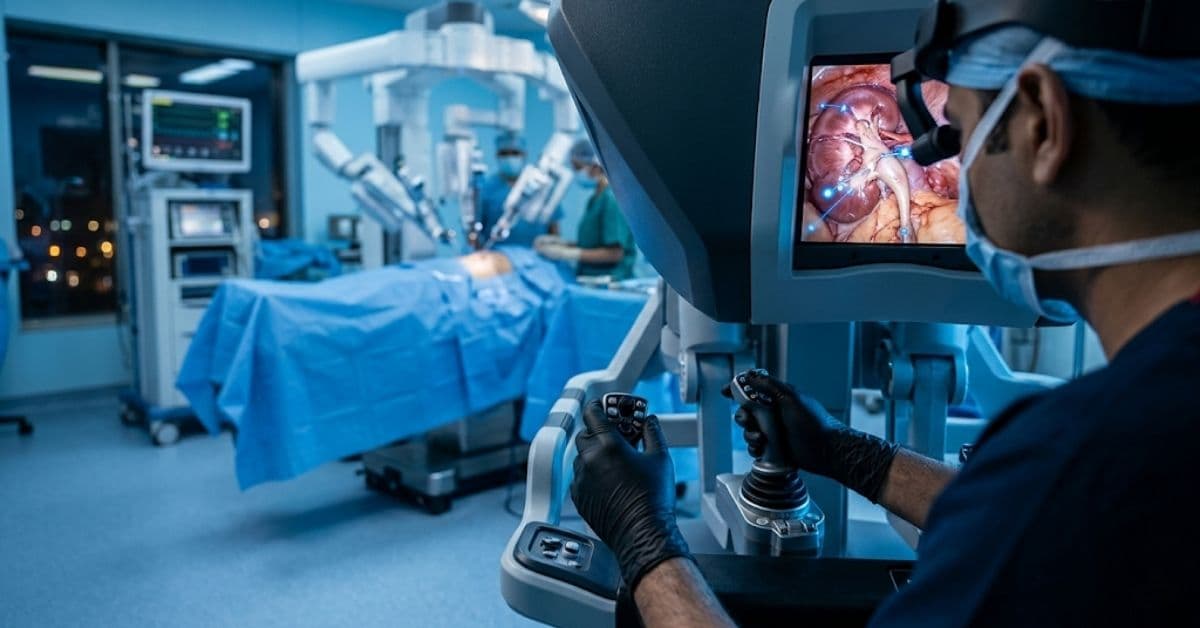
Indian hospitals are at the forefront of medical innovation, integrating advanced technologies and sophisticated techniques to enhance the safety and efficacy of kidney transplants. This commitment to progress ensures better outcomes and faster recovery for both donors and recipients. Many leading centers utilize laparoscopic donor nephrectomy, a minimally invasive surgical technique for kidney removal from living donors. This approach involves smaller incisions, leading to less pain, reduced blood loss, shorter hospital stays, and quicker recovery for the donor. Furthermore, advanced immunology and tissue typing laboratories ensure precise donor-recipient matching, significantly reducing the risk of organ rejection. Post-transplant, patients benefit from personalized immunosuppression protocols and advanced monitoring systems that track organ function and medication levels, ensuring the long-term health of the transplanted kidney.
Cost of Kidney Transplant in India
One of the most compelling reasons for international patients to choose India for a kidney transplant is the significant cost advantage, often without compromising on the quality of care. The table below provides an estimated cost comparison:
| Procedure | India (INR) | India (USD) | USA (USD) | UK (GBP) |
|---|---|---|---|---|
| **Kidney Transplant (Living Donor)** | ₹8,00,000 - ₹15,00,000 | $10,000 - $18,000 | $250,000 - $400,000 | £80,000 - £120,000 |
| **Kidney Transplant (Deceased Donor)** | ₹10,00,000 - ₹18,00,000 | $12,000 - $22,000 | $250,000 - $400,000 | £80,000 - £120,000 |
Disclaimer: These are estimated costs and can vary significantly based on the hospital, the patient's specific medical condition, pre-operative investigations, post-operative complications, duration of hospital stay, and the type of immunosuppressant medications required. The cost in India is typically 60-80% lower than in Western countries.*
Global Trust and Medical Tourism for Renal Care
India's reputation for high-quality, affordable kidney transplants has fostered immense global trust, attracting a significant influx of patients from across the Middle East, Africa, and SAARC nations, as well as parts of Europe and North America. Patients are drawn not only by the medical excellence and cost savings but also by the comprehensive support systems in place. Indian medical tourism facilitators and hospitals offer integrated services that ease the entire journey. This includes assistance with medical visas, seamless travel logistics, comfortable accommodation options for patients and their families, and professional language interpreters to bridge communication gaps. Many centers also provide cultural orientation and support, helping international patients feel more at home during their stay, making the medical journey less daunting and more comfortable.
Success Rates and Clinical Outcomes of Kidney Transplants in India
The success rates of kidney transplants in India are highly encouraging, reflecting the expertise of its medical professionals and the advanced facilities available. These outcomes are comparable to, and in some cases, exceed those reported by leading transplant centers worldwide.
- One-Year Patient Survival Rate: Typically ranges from 90-95%, indicating that the vast majority of patients are alive one year after their transplant.
- One-Year Graft Survival Rate: Stands at an impressive 85-90%, meaning the transplanted kidney is functioning well in most recipients after a year.
- Five-Year Patient Survival Rate: Averages around 80-85%, demonstrating excellent long-term patient outcomes.
- Five-Year Graft Survival Rate: Generally falls between 70-75%, showcasing the durability and effectiveness of the transplanted organs over a longer period.
These statistics underscore the high standards of care, meticulous surgical techniques, and effective post-transplant management protocols followed in India's premier transplant centers. (Source: Data compiled from leading Indian transplant centers and national registries).
Recovery and Rehabilitation After Kidney Transplant
The journey doesn't end with surgery; recovery and rehabilitation are crucial for the long-term success of a kidney transplant. Patients receive comprehensive guidance to ensure a smooth transition back to daily life.
Medical Tourism Support Services
For international patients, navigating medical treatment abroad can be complex. India's medical tourism ecosystem is designed to provide seamless support, ensuring a stress-free experience from arrival to departure. Organizations like VRH Healthcare offer a comprehensive suite of services tailored to international patients' needs.
These services typically include:
- Visa Assistance: Guidance and support for obtaining medical visas for patients and accompanying family members.
- Travel Logistics: Assistance with flight bookings, airport transfers, and local transportation.
- Accommodation: Arranging suitable lodging options, from budget-friendly guesthouses to luxury hotels, often with proximity to the hospital.
- Interpreter Services: Professional interpreters available in multiple languages to facilitate clear communication between patients, doctors, and hospital staff.
- Dedicated Patient Coordinators: A single point of contact to manage appointments, hospital admissions, and address any concerns throughout the stay.
- Telemedicine & Follow-up: Post-treatment virtual consultations and follow-up care plans to ensure continued well-being after returning home.
Quality Assurance and Ethical Standards in Indian Transplant Programs
India's commitment to patient safety and ethical medical practices is paramount, especially in complex procedures like kidney transplantation. Leading hospitals adhere to stringent national and international quality standards. Many premier transplant centers in India hold accreditations from organizations like Joint Commission International (JCI) and the National Accreditation Board for Hospitals & Healthcare Providers (NABH). These accreditations signify adherence to global benchmarks for patient care, safety, and quality management. Furthermore, the Transplantation of Human Organs and Tissues Act (THOTA) rigorously governs organ donation and transplantation, ensuring transparency, preventing organ trafficking, and upholding the highest ethical standards. Independent ethics committees within hospitals review all transplant cases, particularly living unrelated donor transplants, to ensure compliance and protect the rights and well-being of both donors and recipients.
Conclusion
Choosing a kidney transplant in India offers a pathway to renewed health and an improved quality of life for international patients. With its blend of world-class medical expertise, advanced technology, compassionate care, and significant cost advantages, India stands as a trusted and leading destination for renal care. The journey may seem daunting, but with comprehensive support services and a commitment to excellence, patients and their families can embark on this life-changing treatment with confidence and hope.
Ready to explore your kidney transplant options in India? Contact us today for a personalized consultation and begin your journey towards a healthier future.